Asphodelaceae
Onionweed (Asphodelus fistulosus)
Asphodelus fistulosus
Very low-maintenance plant. Water rarely — it tolerates long dry spells. Plant in full sun with well-draining sandy soil. Never allow waterlogging. Ideal for dry, rocky or xeriscape gardens.
Every 14 days
Direct sun
-5° - 38°C
20% - 50%
Categories
What is Onionweed?
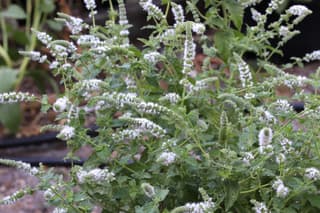
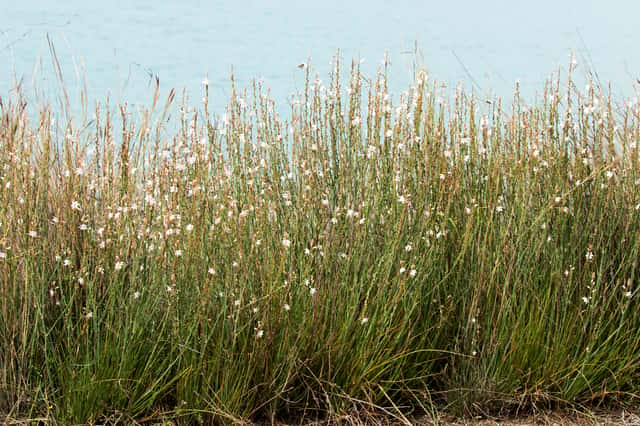
Onionweed (Asphodelus fistulosus) is a easy-care plant from the Asphodelaceae family. Asphodelus fistulosus is a slender Mediterranean perennial native to the Mediterranean basin and Southwest Asia. It produces hollow, rush-like stems with star-shaped white to pale pink flowers with pink veins in spring and summer. Extremely drought-tolerant, it thrives in poor, sandy, well-drained s...
Onionweed grows up to 60cm, spread of 30cm, watering every 14 days, -5°C – 38°C, 20–50% humidity. It is not suitable for indoor environments and safe for pets.
Unlike many tropical plants, Onionweed tolerates watering mistakes. Best for beginners. Unlike many popular species, Onionweed is safe to keep around pets.
How to Care for Onionweed?
TLDR: Onionweed needs Direct sun, watering every 14 days, and temperatures between -5-38°C with 20-50% humidity.
How Often Should You Water Onionweed?
Water every 14 days or less. Let the soil dry out completely between waterings. This plant handles drought far better than excess moisture — overwatering is the main cause of root rot.
How Much Light Does Onionweed Need?
Requires full sun — at least 6–8 hours of direct sunlight daily. In partial shade, flowering is reduced and the plant loses its characteristic upright form.
What Is the Best Soil for Onionweed?
Prefers sandy, poor, well-drained soils. Avoid clay or compacted soils that retain moisture. No fertilizing needed — rich soils encourage leafy growth at the expense of flowers.
What Pot Should You Use for Onionweed?
Terracotta or stone pot — porous materials that promote drainage and prevent moisture build-up. Avoid pots without drainage holes.
What Is Onionweed and Where Does It Come From?
Asphodelus fistulosus is a slender Mediterranean perennial native to the Mediterranean basin and Southwest Asia. It produces hollow, rush-like stems with star-shaped white to pale pink flowers with pink veins in spring and summer. Extremely drought-tolerant, it thrives in poor, sandy, well-drained soils and full sun. Note: it is a Federal Noxious Weed in the USA and invasive in several countries including Australia and New Zealand.
How to Propagate Onionweed?
Seed propagation
Seeds germinate readily without stratification. Sow directly in final position in mild climates.
- 1 Collect ripe seeds in late summer
- 2 Sow on the surface of sandy, well-draining substrate
- 3 Keep lightly moist until germination
- 4 Transplant after 6-8 weeks
Materials needed:
Clump division
Divide in autumn or early spring to minimize water stress on the plant.
- 1 Carefully dig up the mother plant
- 2 Separate rosettes with intact roots
- 3 Replant immediately in final position
- 4 Water lightly after transplanting
Materials needed:
How Big Does Onionweed Grow?
TLDR: Onionweed can reach up to 60cm tall with Fast growth rate.
Max height
60cm
Spread
30cm
Growth rate
Fast
Foliage
Deciduous
Plant Uses
Ornamental
Great for decoration
Medicinal
Medicinal properties
Edible
Can be consumed
Medicinal Uses
- Seeds have diuretic properties; used topically on ulcers and inflammations in traditional Mediterranean folk medicine.
Culinary Uses
- Roots and young leaves consumed cooked in some Mediterranean traditions; fibrous texture.
Is your plant showing symptoms?
Click on the symptom to discover possible causes:
What Diseases Commonly Affect Onionweed?
TLDR: Onionweed is susceptible to 6 known diseases. Monitor regularly for early detection.
Powdery Mildew
Powdery mildew is a common fungal disease caused by various fungi species including Erysiphe, Podosphaera, Oïdium, and Leveillula. It affects over 10,000 plant species worldwide. The disease thrives in warm, dry climates with high humidity and appears as a distinctive white powdery coating on plant surfaces.
Root Rot
Root rot is a serious fungal disease that affects the root system of plants, causing them to decay and die. It is primarily caused by overwatering, poor drainage, or soil-borne fungi such as Pythium, Phytophthora, Rhizoctonia, and Fusarium. The disease thrives in waterlogged conditions where roots are deprived of oxygen, making them susceptible to fungal infection.
Overwatering
Overwatering occurs when plants receive too much water, depriving roots of oxygen and causing root rot. This environmental stress is one of the most common causes of houseplant death, as waterlogged soil prevents roots from breathing and functioning properly.
Spider Mites
Spider mites are tiny arachnids (less than 1/20 inch long) related to spiders and ticks that feed on plant sap. They thrive in hot, dry conditions and can cause significant damage to ornamental and vegetable plants. During severe infestations, crop losses can reach 14% or higher as these pests disrupt vital plant processes including photosynthesis, carbon dioxide absorption, and transpiration.
Meaning & Symbolism
In Greco-Roman mythology, asphodel grew in the fields of the underworld and was associated with the immortality of the soul and passage to the afterlife.
Fun Facts
It is a Federal Noxious Weed in the United States and invasive in several countries.
Its stems are hollow — hence the species name "fistulosus," from Latin meaning "pipe-like" or "hollow."
Roots and young leaves have been eaten by Mediterranean peoples since antiquity.
Plants are notably rabbit-resistant — a practical advantage in wildlife gardens.
Frequently asked questions
How often should I water Onionweed?
Is Asphodelus fistulosus toxic to pets?
Can Onionweed grow in a pot?
When does Onionweed bloom?
Is Onionweed invasive?
Compare with similar plants
| Attribute | Difficulty | Light | Watering | Pet Safe |
|---|---|---|---|---|
| Field Maple | Easy | Bright indirect | 14d | ✓ |
| Silver Birch | Easy | Direct sun | 14d | ✓ |
| Cushion Bush | Easy | Direct sun | 14d | ✓ |
| Peruvian peppertree | Easy | Direct sun | 14d | ⚠️ |