Polygonaceae
Bloody dock: Edible Plant
Rumex sanguineus
Bloody dock is a low-maintenance plant that prefers full sun to partial shade and consistently moist, well-drained soil. It thrives best outdoors in USDA hardiness zones 4a to 8b and is well-suited for gardens, borders, and waterside areas. It is easy to grow and requires minimal care beyond regular watering and an annual spring application of compost or fertilizer.
Every 7 days
Bright indirect
-15° - 24°C
30% - 50%
Categories
What is Bloody dock?
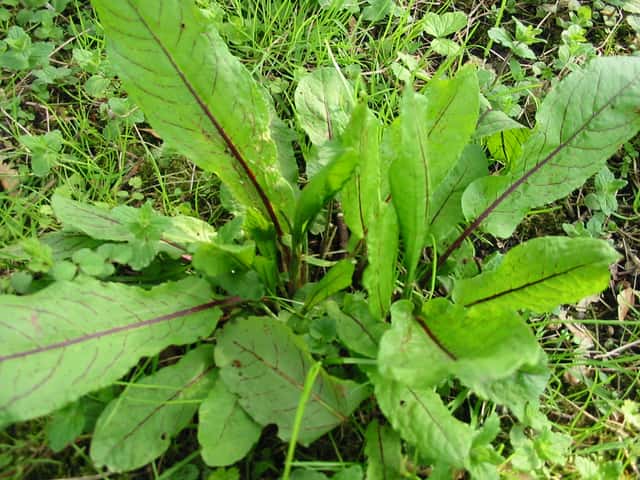
Bloody dock (Rumex sanguineus) is a easy-care plant from the Polygonaceae family. Bloody dock (Rumex sanguineus) is an evergreen perennial herb in the Polygonaceae family, native to Europe, Southwest Asia, and North Africa. It is prized for its striking leaves with deep, blood-red veins against dark green foliage, providing a dramatic ornamental look in gardens and on tables. The...
Bloody dock grows up to 90cm, spread of 45cm, watering every 7 days, -15°C – 24°C, 30–50% humidity. It is not suitable for indoor environments and safe for pets.
Unlike many tropical plants, Bloody dock tolerates watering mistakes. Best for beginners. Unlike many popular species, Bloody dock is safe to keep around pets.
How to Care for Bloody dock?
TLDR: Bloody dock needs Bright indirect, watering every 7 days, and temperatures between -15-24°C with 30-50% humidity.
How Often Should You Water Bloody dock?
Water regularly to keep the soil consistently moist — approximately once a week during the growing season. Avoid letting the soil dry out completely, but ensure good drainage to prevent root rot. The plant tolerates brief periods of wet conditions near water edges.
How Much Light Does Bloody dock Need?
Bloody dock prefers full sun (at least 6 hours of direct sunlight per day) but tolerates partial shade. In hot climates, light afternoon shade can protect against leaf scorch and preserve the characteristic red veining.
What Is the Best Soil for Bloody dock?
Plant in well-drained, moderately fertile soil with a pH between 5.5 and 7.0. Soil enriched with compost improves growth. Avoid heavy clay soils that retain water, as this can cause root rot. The plant thrives in most soil types from light sandy soil to loam, provided there is good drainage.
What Pot Should You Use for Bloody dock?
Use a medium to large pot (at least 12 inches wide and deep) with drainage holes at the bottom. Terracotta or ceramic pots are preferred as they support good air circulation for the roots. Avoid plastic pots which retain too much moisture.
Care Schedule
Fertilize
Every 365 days
What Is Bloody dock and Where Does It Come From?
Bloody dock (Rumex sanguineus) is an evergreen perennial herb in the Polygonaceae family, native to Europe, Southwest Asia, and North Africa. It is prized for its striking leaves with deep, blood-red veins against dark green foliage, providing a dramatic ornamental look in gardens and on tables. The plant forms compact rosette-shaped clumps and thrives in moist, well-drained soil in full sun to partial shade.
How to Propagate Bloody dock?
seed
- 1 Sow seeds directly in the garden in spring after the last frost
- 2 Cover lightly with soil and keep moist until germination
- 3 Germination typically occurs within 10–14 days at 60–68°F (15–20°C)
- 4 Thin plants to approximately 12 inches (30 cm) apart
division
- 1 Divide established clumps in early spring
- 2 Carefully dig up the root and divide into sections with at least 2–3 shoots
- 3 Replant immediately in prepared soil and water thoroughly
- 4 Keep moist for the first 2 weeks after division
How Big Does Bloody dock Grow?
TLDR: Bloody dock can reach up to 90cm tall with Medium growth rate.
Max height
90cm
Spread
45cm
Growth rate
Medium
Foliage
Semi-evergreen
Plant Uses
Ornamental
Great for decoration
Edible
Can be consumed
Medicinal
Medicinal properties
Medicinal Uses
- The root is astringent and traditionally used for diarrhea and bleeding
- A decoction of the root can be used to treat skin conditions
- The plant traditionally has mild laxative properties
- Contains vitamin C and carotene
Culinary Uses
- Young leaves can be eaten raw in salads with a tart, spinach-like flavor
- Leaves can be cooked like spinach or Swiss chard
- Young leaves are used as microgreens
- Leaves contain oxalic acid and should be consumed in moderation
Is your plant showing symptoms?
Click on the symptom to discover possible causes:
What Diseases Commonly Affect Bloody dock?
TLDR: Bloody dock is susceptible to 6 known diseases. Monitor regularly for early detection.
Powdery Mildew
Powdery mildew is a common fungal disease caused by various fungi species including Erysiphe, Podosphaera, Oïdium, and Leveillula. It affects over 10,000 plant species worldwide. The disease thrives in warm, dry climates with high humidity and appears as a distinctive white powdery coating on plant surfaces.
Root Rot
Root rot is a serious fungal disease that affects the root system of plants, causing them to decay and die. It is primarily caused by overwatering, poor drainage, or soil-borne fungi such as Pythium, Phytophthora, Rhizoctonia, and Fusarium. The disease thrives in waterlogged conditions where roots are deprived of oxygen, making them susceptible to fungal infection.
Rust
Rust is a common fungal disease caused by fungi in the order Pucciniales that affects a wide variety of plants. The disease gets its name from the characteristic orange, yellow, or reddish-brown pustules that appear on leaves, resembling metal rust. This obligate fungal parasite requires living plants to survive and can cause significant economic losses in agricultural crops.
Leaf Spot
Leaf spot is a common fungal disease caused by various pathogens including Alternaria, Ascochyta, Colletotrichum, Septoria, and Venturia. It primarily affects leaves, causing discolored spots that can lead to premature leaf drop if left untreated.
Compare with similar plants
| Attribute | Difficulty | Light | Watering | Pet Safe |
|---|---|---|---|---|
| Field Maple | Easy | Bright indirect | 14d | ✓ |
| Silver Birch | Easy | Direct sun | 14d | ✓ |
| Cushion Bush | Easy | Direct sun | 14d | ✓ |
| Peruvian peppertree | Easy | Direct sun | 14d | ⚠️ |





