Lamiaceae
Purple Swedish Ivy Care Guide
Plectranthus purpuratus
An easy-care, fast-growing trailing houseplant that thrives in bright, indirect light with some protection from intense midday sun. Water when the top inch of soil dries out, use well-draining potting mix, and pinch back stems occasionally to keep growth full and bushy.
Every 8 days
Partial shade
15° - 27°C
40% - 60%
Categories
What is Purple Swedish Ivy?
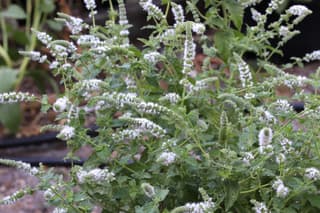
Purple Swedish Ivy (Plectranthus purpuratus) is a easy-care plant from the Lamiaceae family. Plectranthus purpuratus, commonly known as Purple Swedish Ivy, is a trailing evergreen perennial in the mint family (Lamiaceae), native to eastern South Africa. It is prized for its soft, fleshy, aromatic dark green leaves with a purple-tinted underside, and its freely branching, spreading habit mak...
Purple Swedish Ivy grows up to 50cm, spread of 100cm, watering every 8 days, 15°C – 27°C, 40–60% humidity. It is suitable for indoor environments and safe for pets.
Unlike many tropical plants, Purple Swedish Ivy tolerates watering mistakes. Best for beginners. Unlike many popular species, Purple Swedish Ivy is safe to keep around pets. Without adequate drainage, root rot can develop within 16 days.
How to Care for Purple Swedish Ivy?
TLDR: Purple Swedish Ivy needs Partial shade, watering every 8 days, and temperatures between 15-27°C with 40-60% humidity.
How Often Should You Water Purple Swedish Ivy?
Let the top 2-3 cm of soil dry out between waterings, then water thoroughly until it drains from the bottom of the pot. Reduce watering in winter to avoid root rot.
How Much Light Does Purple Swedish Ivy Need?
Provide bright, indirect light, such as near an east- or south-facing window with a sheer curtain. Avoid intense direct midday sun, which can scorch the fleshy leaves.
What Is the Best Soil for Purple Swedish Ivy?
Use a well-draining, loam-based potting mix enriched with organic matter, perlite, or coarse sand to prevent waterlogging around the roots.
What Pot Should You Use for Purple Swedish Ivy?
A hanging basket or a shallow pot with ample drainage holes works best, allowing the trailing stems to cascade freely.
Care Schedule
Fertilize
Every 30 days
Rotate
Every 14 days
Repot
Every 365 days
What Is Purple Swedish Ivy and Where Does It Come From?
Plectranthus purpuratus, commonly known as Purple Swedish Ivy, is a trailing evergreen perennial in the mint family (Lamiaceae), native to eastern South Africa. It is prized for its soft, fleshy, aromatic dark green leaves with a purple-tinted underside, and its freely branching, spreading habit makes it a popular choice for hanging baskets. Tiny bluish-white tubular flowers appear in summer and intermittently throughout the year.
How to Propagate Purple Swedish Ivy?
Stem Cutting
Softwood cuttings root readily year-round; use a clean, sharp blade and avoid letting cut ends sit in stagnant water too long.
- 1 Cut a healthy 7-10 cm stem tip with 2-3 leaf nodes using clean scissors
- 2 Remove the lower leaves, leaving 2-3 at the top
- 3 Place the cutting in water or moist well-draining potting mix
- 4 Keep in bright, indirect light and change water every few days if rooting in water
- 5 Once roots reach 2-3 cm, transplant into a small pot with well-draining soil
Materials needed:
Division
Division works best on well-established, freely branching plants and avoids the wait for cuttings to root.
- 1 Remove the mature plant from its pot in spring
- 2 Gently separate the root ball into sections, each with stems and roots attached
- 3 Repot each division into its own container with fresh well-draining soil
- 4 Water lightly and keep in partial shade until new growth appears
Materials needed:
How Big Does Purple Swedish Ivy Grow?
TLDR: Purple Swedish Ivy can reach up to 50cm tall with Fast growth rate.
Max height
50cm
Spread
1.0m
Growth rate
Fast
Foliage
Evergreen
Plant Uses
Ornamental
Great for decoration
Ground Cover
Soil coverage
Is your plant showing symptoms?
Click on the symptom to discover possible causes:
What Diseases Commonly Affect Purple Swedish Ivy?
TLDR: Purple Swedish Ivy is susceptible to 6 known diseases. Monitor regularly for early detection.
Root Rot
Root rot is a serious fungal disease that affects the root system of plants, causing them to decay and die. It is primarily caused by overwatering, poor drainage, or soil-borne fungi such as Pythium, Phytophthora, Rhizoctonia, and Fusarium. The disease thrives in waterlogged conditions where roots are deprived of oxygen, making them susceptible to fungal infection.
Leaf Spot
Leaf spot is a common fungal disease caused by various pathogens including Alternaria, Ascochyta, Colletotrichum, Septoria, and Venturia. It primarily affects leaves, causing discolored spots that can lead to premature leaf drop if left untreated.
Aphids
Aphids are small, soft-bodied, pear-shaped insects (1/16 to 1/8 inch long) that feed by sucking nutrient-rich sap from plants. They reproduce rapidly and can quickly weaken plants, causing distorted growth and transmitting plant viruses. Aphids come in various colors including green, black, red, yellow, brown, and gray. They secrete honeydew, a sticky substance that attracts ants and encourages sooty mold growth.
Whiteflies
Whiteflies are small, soft-bodied, winged insects closely related to aphids and mealybugs. They are moth-like in appearance, about 1/16 inch long, triangular in shape, and gray-white in color. These sap-sucking pests feed on plant tissue, causing yellowing, stunted growth, and wilting. They also excrete honeydew, which attracts ants and promotes sooty mold growth. Whiteflies can transmit serious plant viruses.
Meaning & Symbolism
Like other trailing ivies, Purple Swedish Ivy is often associated with resilience, friendship, and abundant growth, making it a popular gift for new homes and offices.
Fun Facts
Its fleshy, purple-tinged leaves release a mild aromatic scent when brushed or crushed, similar to other Plectranthus species.
The trailing stems can cascade over 1 meter, making it a favorite for hanging baskets.
Despite its common name, it is not a true ivy (Hedera) but a member of the mint family.
Frequently asked questions
How often should I water Purple Swedish Ivy?
Is Plectranthus purpuratus toxic to cats and dogs?
Why are the leaves turning yellow or mushy?
How do I propagate Purple Swedish Ivy?
Compare with similar plants
| Attribute | Difficulty | Light | Watering | Pet Safe |
|---|---|---|---|---|
| Field Maple | Easy | Bright indirect | 14d | ✓ |
| Silver Birch | Easy | Direct sun | 14d | ✓ |
| Cushion Bush | Easy | Direct sun | 14d | ✓ |
| Peruvian peppertree | Easy | Direct sun | 14d | ⚠️ |