Arecaceae
Windmill Palm: Pet-Safe Plant
Trachycarpus fortunei
An extremely resilient palm that prefers full sun and well-drained soil, capable of surviving harsh winters.
Every 10 days
Bright indirect
-15° - 40°C
40% - 70%
Categories
What is Windmill Palm?
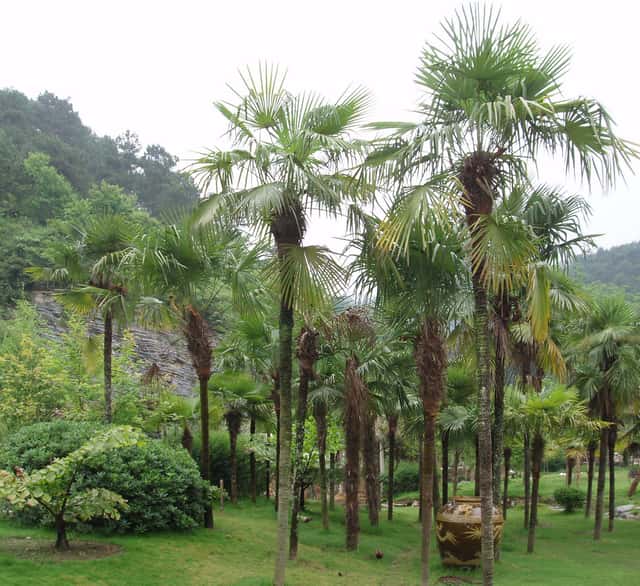
Windmill Palm (Trachycarpus fortunei) is a medium-care plant from the Arecaceae family. Trachycarpus fortunei, known as the Windmill Palm, is one of the most cold-hardy palms in the world. Native to the mountainous regions of China and Japan, it features a characteristic trunk covered in a dense layer of brown fibers that resemble hemp. Its fan-shaped leaves are a vibrant dark green an...
Windmill Palm grows up to 12.0m, spread of 300cm, watering every 10 days, -15°C – 40°C, 40–70% humidity. It is suitable for indoor environments and safe for pets.
Unlike many popular species, Windmill Palm is safe to keep around pets. Without adequate drainage, root rot can develop within 20 days.
How to Care for Windmill Palm?
TLDR: Windmill Palm needs Bright indirect, watering every 10 days, and temperatures between -15-40°C with 40-70% humidity.
How Often Should You Water Windmill Palm?
Water regularly during the summer to keep the soil moist. In winter, drastically reduce the frequency.
How Much Light Does Windmill Palm Need?
While it tolerates partial shade, it develops much more vigorously when exposed to full sun.
What Is the Best Soil for Windmill Palm?
It prefers fertile, slightly acidic soils, but drainage is the most critical factor to prevent trunk rot.
What Pot Should You Use for Windmill Palm?
Large, heavy ceramic or terracotta pots to ensure stability against the wind and provide space for the roots.
Care Schedule
Fertilize
Every 30 days
Repot
Every 730 days
What Is Windmill Palm and Where Does It Come From?
Trachycarpus fortunei, known as the Windmill Palm, is one of the most cold-hardy palms in the world. Native to the mountainous regions of China and Japan, it features a characteristic trunk covered in a dense layer of brown fibers that resemble hemp. Its fan-shaped leaves are a vibrant dark green and can withstand heavy snow and temperatures well below freezing, making it a popular choice for gardens in temperate climates.
How to Propagate Windmill Palm?
Seed Propagation
- Fresh seeds have a significantly higher germination rate.
- Be patient, as initial growth is quite slow.
- 1 Collection and Preparation
Harvest mature seeds (dark blue color) and remove the outer pulp.
- 2 Hydration
Soak the seeds in warm water for 48 hours, changing the water daily.
- 3 Sowing
Plant in a light substrate and keep in a warm (around 25°C) and humid location.
Materials needed:
How Big Does Windmill Palm Grow?
TLDR: Windmill Palm can reach up to 12.0m tall with Slow growth rate.
Max height
12.0m
Spread
3.0m
Growth rate
Slow
Foliage
Evergreen
Plant Uses
Ornamental
Great for decoration
Culinary Uses
- Young inflorescences are occasionally consumed as vegetables in certain Asian cultures.
Is your plant showing symptoms?
Click on the symptom to discover possible causes:
What Diseases Commonly Affect Windmill Palm?
TLDR: Windmill Palm is susceptible to 7 known diseases. Monitor regularly for early detection.
Root Rot
Root rot is a serious fungal disease that affects the root system of plants, causing them to decay and die. It is primarily caused by overwatering, poor drainage, or soil-borne fungi such as Pythium, Phytophthora, Rhizoctonia, and Fusarium. The disease thrives in waterlogged conditions where roots are deprived of oxygen, making them susceptible to fungal infection.
Overwatering
Overwatering occurs when plants receive too much water, depriving roots of oxygen and causing root rot. This environmental stress is one of the most common causes of houseplant death, as waterlogged soil prevents roots from breathing and functioning properly.
Scale Insects
Scale insects are small sap-sucking pests that appear as brown, shell-like bumps on plant stems and leaves. There are over 25 species, divided into armored (hard) and unarmored (soft) scales. They feed by piercing plant tissue and extracting sap, which weakens the plant and can lead to yellowing, stunted growth, and even death if left untreated. They also excrete honeydew, which attracts ants and promotes sooty mold growth.
Aphids
Aphids are small, soft-bodied, pear-shaped insects (1/16 to 1/8 inch long) that feed by sucking nutrient-rich sap from plants. They reproduce rapidly and can quickly weaken plants, causing distorted growth and transmitting plant viruses. Aphids come in various colors including green, black, red, yellow, brown, and gray. They secrete honeydew, a sticky substance that attracts ants and encourages sooty mold growth.
Meaning & Symbolism
Represents resilience, strength, and the ability to flourish even in adverse conditions.
Compare with similar plants
| Attribute | Difficulty | Light | Watering | Pet Safe |
|---|---|---|---|---|
| Dark Fieldcap | Medium | Low light | 2d | ⚠️ |
| Azalea | Medium | Partial shade | 3d | ⚠️ |
| Bougainvillea | Medium | Direct sun | 7d | ⚠️ |
| Wild Lettuce | Medium | Direct sun | 7d | ⚠️ |



