Apiaceae
Parsnip (Pastinaca sativa): Complete Growing and Care Guide
Pastinaca sativa
Cool-season crop that thrives in full sun with regular watering and deep, loose soil. Sow seeds directly where they will grow. Harvest after the first frosts for the sweetest flavour.
Every 7 days
Direct sun
-15° - 30°C
30% - 50%
Categories
What is Parsnip?
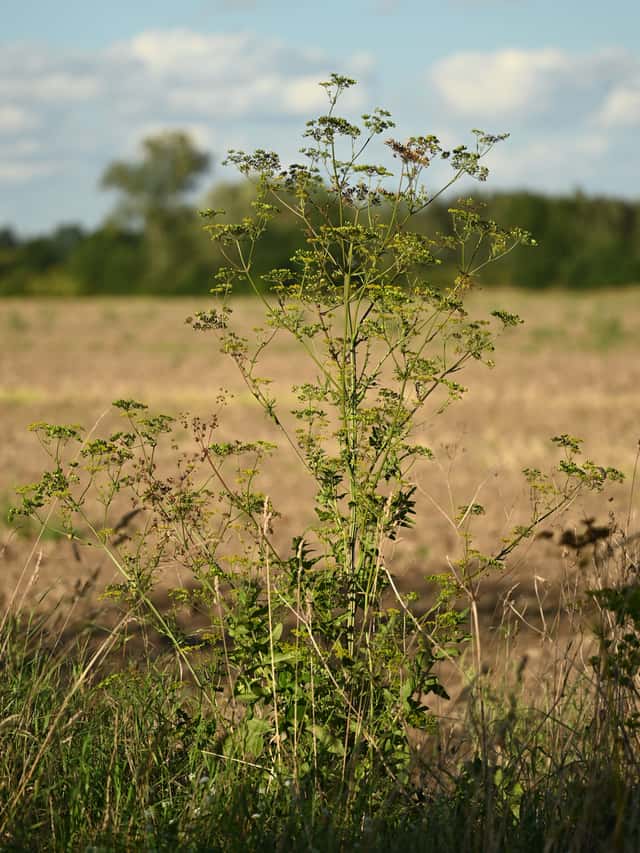
Parsnip (Pastinaca sativa) is a medium-care plant from the Apiaceae family. Parsnip (Pastinaca sativa) is a biennial root vegetable from the Apiaceae family, native to Eurasia. Resembling a carrot in shape but with a creamy-white colour, it produces a sweet and nutritious taproot in its first growing season. It is primarily cultivated for its edible root, which becomes noti...
Parsnip grows up to 90cm, spread of 45cm, watering every 7 days, -15°C – 30°C, 30–50% humidity. It is not suitable for indoor environments and not safe for pets.
Without precautions, ingestion can cause irritation in pets. Keep out of reach of cats and dogs.
How to Care for Parsnip?
TLDR: Parsnip needs Direct sun, watering every 7 days, and temperatures between -15-30°C with 30-50% humidity.
How Often Should You Water Parsnip?
Keep soil evenly moist during root development. Water deeply every 7 days, allowing the top 2-3 cm to dry between waterings. Avoid waterlogging, which causes root rot.
How Much Light Does Parsnip Need?
Requires full sun (minimum 6 hours of direct sunlight daily). Tolerates light partial shade but this reduces root size and quality. Avoid heavily shaded spots.
What Is the Best Soil for Parsnip?
Requires deep, loose, stone-free, well-drained soil with a pH of 6.0–7.0. Clay or rocky soils cause forked and misshapen roots. Amend with well-rotted compost to improve fertility.
What Pot Should You Use for Parsnip?
Deep container (minimum 40 cm depth) with loose, stone-free soil. Tall, narrow containers are ideal to accommodate the long taproots.
Care Schedule
Fertilize
Every 30 days
What Is Parsnip and Where Does It Come From?
Parsnip (Pastinaca sativa) is a biennial root vegetable from the Apiaceae family, native to Eurasia. Resembling a carrot in shape but with a creamy-white colour, it produces a sweet and nutritious taproot in its first growing season. It is primarily cultivated for its edible root, which becomes noticeably sweeter after exposure to frost. Parsnip has been a staple of European cuisine for centuries and is highly valued for both culinary and historical significance.
How to Propagate Parsnip?
Direct Seeding
Always use fresh seeds as viability drops quickly. Never transplant — root disturbance causes forking.
- 1 Prepare the soil deeply, removing stones and clumps
- 2 Sow seeds directly in their final growing position, 1-2 cm deep
- 3 Keep soil moist throughout germination
- 4 Thin seedlings to 15-20 cm apart
- 5 Harvest after the first frosts for the sweetest roots
Materials needed:
How Big Does Parsnip Grow?
TLDR: Parsnip can reach up to 90cm tall with Medium growth rate.
Max height
90cm
Spread
45cm
Growth rate
Medium
Foliage
Deciduous
Warning: Toxic Plant
This plant can be toxic if ingested. Keep out of reach of:
Plant Uses
Edible
Can be consumed
Medicinal
Medicinal properties
Medicinal Uses
- Historically used as a digestive and tonic; root is rich in fibre, potassium, and vitamin C
Culinary Uses
- Roasted
- Mashed
- Soups and stews
- Steamed
- Caramelised
- Oven chips
Is your plant showing symptoms?
Click on the symptom to discover possible causes:
What Diseases Commonly Affect Parsnip?
TLDR: Parsnip is susceptible to 8 known diseases. Monitor regularly for early detection.
Root Rot
Root rot is a serious fungal disease that affects the root system of plants, causing them to decay and die. It is primarily caused by overwatering, poor drainage, or soil-borne fungi such as Pythium, Phytophthora, Rhizoctonia, and Fusarium. The disease thrives in waterlogged conditions where roots are deprived of oxygen, making them susceptible to fungal infection.
Pythium Root Rot
Pythium root rot is a serious fungal disease caused by various Pythium species including P. aphanidermatum, P. ultimum, and P. irregulare. These water molds are present in practically all cultivated soils and attack plant roots under wet conditions, causing rapid wet rot that can extend into the stem. The disease is favored by poor drainage, overwatering, and specific temperatures depending on the species.
Canker
Canker is a disease caused by various fungi and bacteria that create necrotic, sunken areas on bark of branches, stems, and trunks. Pathogens enter through wounds and natural openings, especially when plants are stressed. Canker can gradually weaken or kill branches by disrupting water and nutrient flow.
Powdery Mildew
Powdery mildew is a common fungal disease caused by various fungi species including Erysiphe, Podosphaera, Oïdium, and Leveillula. It affects over 10,000 plant species worldwide. The disease thrives in warm, dry climates with high humidity and appears as a distinctive white powdery coating on plant surfaces.
Meaning & Symbolism
Symbol of hidden sweetness, patience, and reward for hard work. Represents the richness found in simple and humble things.
Fun Facts
Parsnip roots become sweeter after exposure to sub-zero temperatures, as frost converts starches to sugars
Parsnip was one of the most important vegetables in Europe before the potato arrived from the Americas in the 16th century
It belongs to the Apiaceae family, the same as carrots, parsley, and dill
Parsnip seeds lose viability rapidly and must be used fresh each growing season
Frequently asked questions
When should I harvest parsnips?
Why are my parsnips forked?
Is parsnip toxic?
Can I grow parsnips in a container?
How often should I water parsnips?
Compare with similar plants
| Attribute | Difficulty | Light | Watering | Pet Safe |
|---|---|---|---|---|
| Dark Fieldcap | Medium | Low light | 2d | ⚠️ |
| Azalea | Medium | Partial shade | 3d | ⚠️ |
| Bougainvillea | Medium | Direct sun | 7d | ⚠️ |
| Wild Lettuce | Medium | Direct sun | 7d | ⚠️ |



