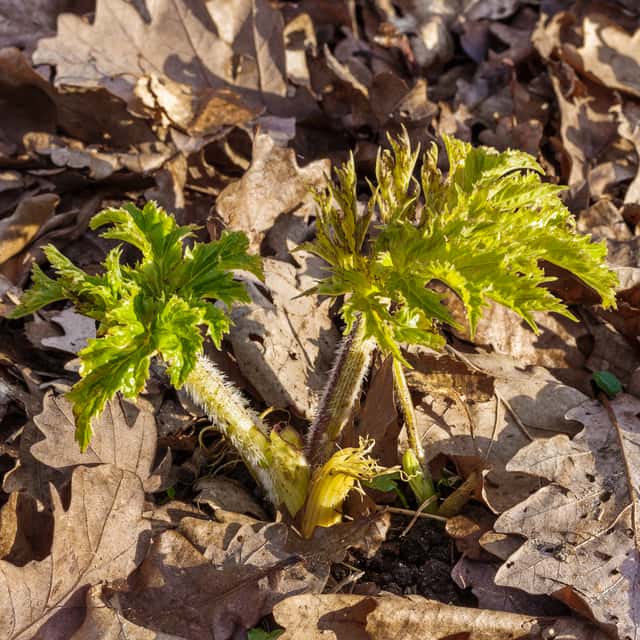
Apiaceae
Heracleum (Common Hogweed): Complete Growing Guide
Heracleum
Heracleum is a vigorous, medium-growth plant that thrives in full sun to partial shade with consistently moist, well-drained soil. It is extremely cold-hardy, tolerating temperatures down to -20°C, and suits USDA hardiness zones 4–8. Water every 7 days on average; fertilise monthly during spring and summer. WARNING: Always wear thick gloves and protective clothing when handling — the sap causes severe photochemical burns on skin exposed to sunlight.
Every 7 days
Bright indirect
-20° - 30°C
50% - 80%
Categories
What is Common Hogweed?
Common Hogweed (Heracleum) is a medium-care plant from the Apiaceae family. Heracleum is a genus of robust herbaceous plants in the family Apiaceae, native to temperate regions of Europe, Asia, and North America. The most widespread species, Heracleum sphondylium (common hogweed), and the invasive Heracleum mantegazzianum (giant hogweed), are well known for their dramatic a...
Common Hogweed grows up to 2.5m, spread of 50cm, watering every 7 days, -20°C – 30°C, 50–80% humidity. It is not suitable for indoor environments and not safe for pets.
Without precautions, ingestion can cause irritation in pets. Keep out of reach of cats and dogs.
How to Care for Common Hogweed?
TLDR: Common Hogweed needs Bright indirect, watering every 7 days, and temperatures between -20-30°C with 50-80% humidity.
How Often Should You Water Common Hogweed?
Water every 7 days on average, keeping the soil evenly moist but never waterlogged. Increase frequency during hot, dry spells. Allow the top inch of soil to become slightly dry between waterings for established plants.
How Much Light Does Common Hogweed Need?
Grows best in full sun with at least 6 hours of direct sunlight per day, though it tolerates partial shade down to approximately 5% of full daylight. In very hot climates, light afternoon shade helps prevent heat stress.
What Is the Best Soil for Common Hogweed?
Prefers loamy, humus-rich, well-draining soil. Tolerant of clay and sandy soils provided moisture is retained. Ideal pH range: 6.0–7.5. Enrich soil with organic compost before planting.
What Pot Should You Use for Common Hogweed?
Use a large terracotta or glazed ceramic pot (minimum 40 cm diameter and depth) with adequate drainage holes. Keep away from high-traffic areas and children's play zones due to phototoxic sap.
Care Schedule
Fertilize
Every 28 days
What Is Common Hogweed and Where Does It Come From?
Heracleum is a genus of robust herbaceous plants in the family Apiaceae, native to temperate regions of Europe, Asia, and North America. The most widespread species, Heracleum sphondylium (common hogweed), and the invasive Heracleum mantegazzianum (giant hogweed), are well known for their dramatic architectural presence and large white compound umbels that can reach up to 2.5 metres in height. The plant's sap contains furanocoumarins — phototoxic compounds that, upon contact with skin exposed to sunlight, cause severe chemical burns, blistering, and long-lasting hyperpigmentation. Despite this hazard, Heracleum species have a long history of medicinal and culinary use across European and Asian cultures. They are also ecologically significant as major nectar and pollen sources for a wide range of pollinators including bees, hoverflies, and beetles.
How to Propagate Common Hogweed?
Seed Propagation
Seeds benefit from cold stratification — sowing in autumn allows natural chilling over winter for improved spring germination. Always wear gloves when handling.
- 1 Collect ripe seeds in autumn and store in a cool, dry location
- 2 Sow directly into prepared soil in mid-spring or early autumn
- 3 Cover seeds lightly with approximately 1 cm of soil
- 4 Keep soil consistently moist until germination occurs
- 5 Thin or transplant seedlings to final positions at 60-90 cm apart
Materials needed:
Root Division
Wear thick gloves, long sleeves, and eye protection at all times. Sterilise tools before and after use.
- 1 Carefully dig up the plant in early spring before new growth emerges
- 2 Divide the root clump ensuring each section has viable buds
- 3 Replant sections immediately at 60-90 cm spacing
- 4 Water thoroughly after replanting
Materials needed:
How Big Does Common Hogweed Grow?
TLDR: Common Hogweed can reach up to 2.5m tall with Medium growth rate.
Max height
2.5m
Spread
50cm
Growth rate
Medium
Foliage
Deciduous
Warning: Toxic Plant
This plant can be toxic if ingested. Keep out of reach of:
Plant Uses
Ornamental
Great for decoration
Edible
Can be consumed
Medicinal
Medicinal properties
Medicinal Uses
- Roots and rhizomes used in European herbal medicine to treat digestive complaints, colic, and as an expectorant
- Traditional use in Slavic and Caucasian folk medicine as a mild sedative and general tonic
- Modern pharmacological research documents antibacterial and antifungal properties of essential oil extracts
Culinary Uses
- Young cooked shoots are edible and consumed as a spring vegetable in Eastern Europe and the Caucasus region
- Young stems can be blanched and used as a celery substitute in soups and stews
- WARNING: All parts must be thoroughly cooked before consumption
Is your plant showing symptoms?
Click on the symptom to discover possible causes:
What Diseases Commonly Affect Common Hogweed?
TLDR: Common Hogweed is susceptible to 4 known diseases. Monitor regularly for early detection.
Powdery Mildew
Powdery mildew is a common fungal disease caused by various fungi species including Erysiphe, Podosphaera, Oïdium, and Leveillula. It affects over 10,000 plant species worldwide. The disease thrives in warm, dry climates with high humidity and appears as a distinctive white powdery coating on plant surfaces.
Aphids
Aphids are small, soft-bodied, pear-shaped insects (1/16 to 1/8 inch long) that feed by sucking nutrient-rich sap from plants. They reproduce rapidly and can quickly weaken plants, causing distorted growth and transmitting plant viruses. Aphids come in various colors including green, black, red, yellow, brown, and gray. They secrete honeydew, a sticky substance that attracts ants and encourages sooty mold growth.
Slugs and Snails
Slugs and snails are mollusks that feed on plant tissue, causing irregular holes in leaves and damage to young seedlings. They are most active at night and in moist conditions, leaving characteristic silvery slime trails. These pests can quickly devastate gardens, especially during wet seasons.
Leaf Spot
Leaf spot is a common fungal disease caused by various pathogens including Alternaria, Ascochyta, Colletotrichum, Septoria, and Venturia. It primarily affects leaves, causing discolored spots that can lead to premature leaf drop if left untreated.
Meaning & Symbolism
In European folklore, Heracleum represents the untamed edge of the wild — a plant of boundary places, hedgerows, and riverbanks where cultivation meets nature. Its towering white umbels symbolise both protection and peril, power and poison.
Fun Facts
The genus Heracleum contains over 60 species distributed across the temperate Northern Hemisphere
The name Heracleum honours Hercules of Greek mythology, referencing the plant's remarkable size and robust nature
A single Heracleum plant can attract over 100 different insect species, making it one of the most ecologically valuable flowering plants for pollinators
Giant hogweed (Heracleum mantegazzianum) is classified as an invasive species in many European countries and parts of North America
Frequently asked questions
Is Heracleum dangerous to humans?
How often should I water Heracleum?
Can Heracleum be grown in a pot?
When does Heracleum flower?
Is Heracleum toxic to dogs?
Compare with similar plants
| Attribute | Difficulty | Light | Watering | Pet Safe |
|---|---|---|---|---|
| Dark Fieldcap | Medium | Low light | 2d | ⚠️ |
| Azalea | Medium | Partial shade | 3d | ⚠️ |
| Bougainvillea | Medium | Direct sun | 7d | ⚠️ |
| Wild Lettuce | Medium | Direct sun | 7d | ⚠️ |



