Pandanaceae
Fragrant Screwpine (Pandanus odorifer): Complete Care Guide
Pandanus odorifer
A medium to large tropical plant that thrives in full sun and well-drained soil. Requires regular watering but tolerates brief dry periods. Prefers warm, humid environments. Fertilize every 6 weeks during the growing season.
Every 7 days
Bright indirect
13° - 32°C
50% - 80%
Categories
What is Fragrant Screwpine?
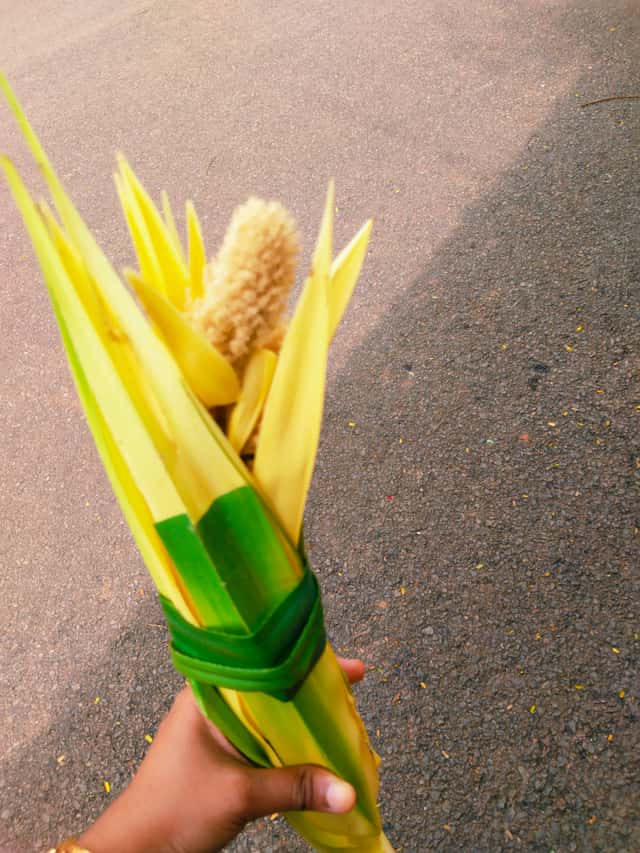
Fragrant Screwpine (Pandanus odorifer) is a medium-care plant from the Pandanaceae family. Pandanus odorifer, commonly known as Fragrant Screwpine or Kewra, is a tropical evergreen plant of the family Pandanaceae, native to South Asia. Its intensely fragrant male flowers are distilled to produce kewra essence and kewra water — key ingredients in Indian cuisine, confectionery and tradition...
Fragrant Screwpine grows up to 6.0m, spread of 300cm, watering every 7 days, 13°C – 32°C, 50–80% humidity. It is suitable for indoor environments and safe for pets.
Unlike many popular species, Fragrant Screwpine is safe to keep around pets. Without adequate drainage, root rot can develop within 14 days.
How to Care for Fragrant Screwpine?
TLDR: Fragrant Screwpine needs Bright indirect, watering every 7 days, and temperatures between 13-32°C with 50-80% humidity.
How Often Should You Water Fragrant Screwpine?
Water every 7 days, or when the top 2-3 cm of soil are dry. Avoid waterlogging — excess moisture promotes root rot. Reduce watering frequency in winter.
How Much Light Does Fragrant Screwpine Need?
Prefers full sun with at least 6 hours of direct light per day. Indoors, place near south- or west-facing windows. Insufficient light reduces growth and flower fragrance.
What Is the Best Soil for Fragrant Screwpine?
Use a well-draining mix such as loamy soil with coarse sand and perlite (2:1:1 ratio). Avoid heavy clay soils. Ideal pH 6.0–7.5.
What Pot Should You Use for Fragrant Screwpine?
Use ceramic or terracotta pots with wide drainage holes. For young plants, 30-40 cm pots; for mature specimens, 60-80 cm or in-ground planting.
Care Schedule
Fertilize
Every 42 days
Misting
Every 3 days
Repot
Every 730 days
What Is Fragrant Screwpine and Where Does It Come From?
Pandanus odorifer, commonly known as Fragrant Screwpine or Kewra, is a tropical evergreen plant of the family Pandanaceae, native to South Asia. Its intensely fragrant male flowers are distilled to produce kewra essence and kewra water — key ingredients in Indian cuisine, confectionery and traditional perfumery. With its long spiraling leaves and striking silhouette, it is valued as an ornamental plant and for its wide range of culinary, medicinal and aromatic uses.
How to Propagate Fragrant Screwpine?
Stem Cutting
Use sterilized tools. Keep substrate moist but not waterlogged. Rooting is faster at temperatures above 25°C.
- 1 Cut a healthy stem segment 30-60 cm long
- 2 Allow the cut end to dry for 24 hours before planting
- 3 Plant in moist, well-draining substrate
- 4 Keep in a warm location (25-30°C) with indirect light until rooted
Materials needed:
Offset Division
Choose offsets at least 20 cm tall for a higher success rate.
- 1 Identify young offsets at the base of the mother plant
- 2 Carefully separate using a clean knife
- 3 Plant each offset individually in moist substrate
- 4 Keep in a shaded location until rooted
Materials needed:
Seed Sowing
Germination is slow and erratic. Keep substrate consistently moist throughout the process.
- 1 Remove pulp from fruits and rinse seeds thoroughly
- 2 Soak seeds for 24 hours
- 3 Plant in moist substrate at 1-2 cm depth
- 4 Maintain temperature between 25-30°C and high humidity
Materials needed:
How Big Does Fragrant Screwpine Grow?
TLDR: Fragrant Screwpine can reach up to 6.0m tall with Medium growth rate.
Max height
6.0m
Spread
3.0m
Growth rate
Medium
Foliage
Evergreen
Plant Uses
Ornamental
Great for decoration
Aromatic
Pleasant fragrance
Medicinal
Medicinal properties
Edible
Can be consumed
Medicinal Uses
- Treatment of headaches and rheumatism in Ayurvedic medicine
- Diuretic and depurative properties
- Preparations for skin conditions in traditional Indian medicine
Culinary Uses
- Kewra water used in biryanis, sweets and Indian beverages
- Kewra essence in desserts and syrups
- Flowers used to perfume dishes and teas
Is your plant showing symptoms?
Click on the symptom to discover possible causes:
What Diseases Commonly Affect Fragrant Screwpine?
TLDR: Fragrant Screwpine is susceptible to 10 known diseases. Monitor regularly for early detection.
Root Rot
Root rot is a serious fungal disease that affects the root system of plants, causing them to decay and die. It is primarily caused by overwatering, poor drainage, or soil-borne fungi such as Pythium, Phytophthora, Rhizoctonia, and Fusarium. The disease thrives in waterlogged conditions where roots are deprived of oxygen, making them susceptible to fungal infection.
Pythium Root Rot
Pythium root rot is a serious fungal disease caused by various Pythium species including P. aphanidermatum, P. ultimum, and P. irregulare. These water molds are present in practically all cultivated soils and attack plant roots under wet conditions, causing rapid wet rot that can extend into the stem. The disease is favored by poor drainage, overwatering, and specific temperatures depending on the species.
Phytophthora Root Rot
Disease caused by fungus-like organisms (oomycetes) that live in soil and can survive for years. It affects roots, stem, and crown of plants, being especially severe in waterlogged or poorly drained soils. It is the second most common cause of root rot in trees and shrubs.
Leaf Spot
Leaf spot is a common fungal disease caused by various pathogens including Alternaria, Ascochyta, Colletotrichum, Septoria, and Venturia. It primarily affects leaves, causing discolored spots that can lead to premature leaf drop if left untreated.
Meaning & Symbolism
Sacred in Hindu tradition and associated with Kamadeva, the god of love. Widely used in temple gardens and religious ceremonies across South and Southeast Asia. Symbolizes purity, devotion and sensuality.
Fun Facts
The male flowers of Pandanus odorifer are so intensely fragrant they are steam-distilled to produce kewra attar, one of India's oldest floral perfumes.
The plant grows aerial prop roots that support it like stilts — an adaptation for coastal and windy environments.
In Hindu tradition, kewra flowers are sacred offerings to Shiva during the Shivratri festival.
It can reach up to 6 metres tall when grown outdoors under ideal conditions.
Frequently asked questions
How often should I water my Fragrant Screwpine?
Does the Fragrant Screwpine need full sun?
Is the Fragrant Screwpine toxic to pets?
How do I propagate Fragrant Screwpine?
Why are the leaf tips of my Screwpine turning brown?
Compare with similar plants
| Attribute | Difficulty | Light | Watering | Pet Safe |
|---|---|---|---|---|
| Dark Fieldcap | Medium | Low light | 2d | ⚠️ |
| Azalea | Medium | Partial shade | 3d | ⚠️ |
| Bougainvillea | Medium | Direct sun | 7d | ⚠️ |
| Wild Lettuce | Medium | Direct sun | 7d | ⚠️ |



