Asteraceae
Rough Hawkbit: Complete Care and Growing Guide
Leontodon hispidus
An easy-care, low-maintenance wildflower. Thrives in full sun and well-drained soils. Water sparingly; it is drought-tolerant thanks to deep roots. Frost-hardy to -15°C. Perfect for wildflower meadows, cottage gardens, and pollinator patches.
Every 7 days
Direct sun
-15° - 27°C
30% - 70%
Categories
What is Rough Hawkbit?
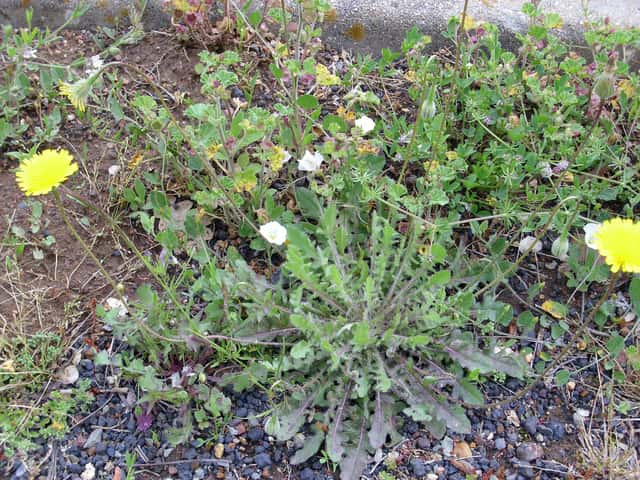
Rough Hawkbit (Leontodon hispidus) is a easy-care plant from the Asteraceae family. Leontodon hispidus, commonly known as Rough Hawkbit, is a perennial herbaceous plant in the family Asteraceae, native to grasslands and meadows across Europe and Asia. It produces dandelion-like yellow flower heads from June to September, making it a valuable nectar source for bees, butterflies, and...
Rough Hawkbit grows up to 50cm, spread of 10cm, watering every 7 days, -15°C – 27°C, 30–70% humidity. It is not suitable for indoor environments and safe for pets.
Unlike many tropical plants, Rough Hawkbit tolerates watering mistakes. Best for beginners. Unlike many popular species, Rough Hawkbit is safe to keep around pets.
How to Care for Rough Hawkbit?
TLDR: Rough Hawkbit needs Direct sun, watering every 7 days, and temperatures between -15-27°C with 30-70% humidity.
How Often Should You Water Rough Hawkbit?
Water every 7 days during dry spells, allowing the soil to dry out between waterings. Established plants are very drought-tolerant due to their deep taproots.
How Much Light Does Rough Hawkbit Need?
Requires full sun for best flowering. Needs at least 6 hours of direct sunlight daily. It cannot grow in full shade.
What Is the Best Soil for Rough Hawkbit?
Tolerates chalk, loam, sand, and even clay soils with good drainage. Prefers a pH of 6.0–8.0. Thrives in poor, well-drained soils.
Care Schedule
Fertilize
Every 60 days
What Is Rough Hawkbit and Where Does It Come From?
Leontodon hispidus, commonly known as Rough Hawkbit, is a perennial herbaceous plant in the family Asteraceae, native to grasslands and meadows across Europe and Asia. It produces dandelion-like yellow flower heads from June to September, making it a valuable nectar source for bees, butterflies, and other pollinators.
How Big Does Rough Hawkbit Grow?
TLDR: Rough Hawkbit can reach up to 50cm tall with Medium growth rate.
Max height
50cm
Spread
10cm
Growth rate
Medium
Foliage
Deciduous
Plant Uses
Ornamental
Great for decoration
Edible
Can be consumed
Medicinal
Medicinal properties
Ground Cover
Soil coverage
Medicinal Uses
- Traditional diuretic for kidney complaints
- Used for dropsy and jaundice in folk medicine
Culinary Uses
- Young leaves edible raw in salads or cooked as a vegetable
- Roasted root used as a coffee substitute
Is your plant showing symptoms?
Click on the symptom to discover possible causes:
What Diseases Commonly Affect Rough Hawkbit?
TLDR: Rough Hawkbit is susceptible to 2 known diseases. Monitor regularly for early detection.
Powdery Mildew
Powdery mildew is a common fungal disease caused by various fungi species including Erysiphe, Podosphaera, Oïdium, and Leveillula. It affects over 10,000 plant species worldwide. The disease thrives in warm, dry climates with high humidity and appears as a distinctive white powdery coating on plant surfaces.
Slugs and Snails
Slugs and snails are mollusks that feed on plant tissue, causing irregular holes in leaves and damage to young seedlings. They are most active at night and in moist conditions, leaving characteristic silvery slime trails. These pests can quickly devastate gardens, especially during wet seasons.
Fun Facts
Rough Hawkbit flowers attract over 20 species of bees, flies, beetles, and butterflies.
Its deep taproot makes it exceptionally drought-tolerant once established.
Seeds are wind-dispersed via feathery pappus, similar to dandelions.
Despite looking like a dandelion, it is a distinct species with bristly hairs on its leaves and stem.
Compare with similar plants
| Attribute | Difficulty | Light | Watering | Pet Safe |
|---|---|---|---|---|
| Field Maple | Easy | Bright indirect | 14d | ✓ |
| Silver Birch | Easy | Direct sun | 14d | ✓ |
| Cushion Bush | Easy | Direct sun | 14d | ✓ |
| Wild Lettuce | Medium | Direct sun | 7d | ⚠️ |





