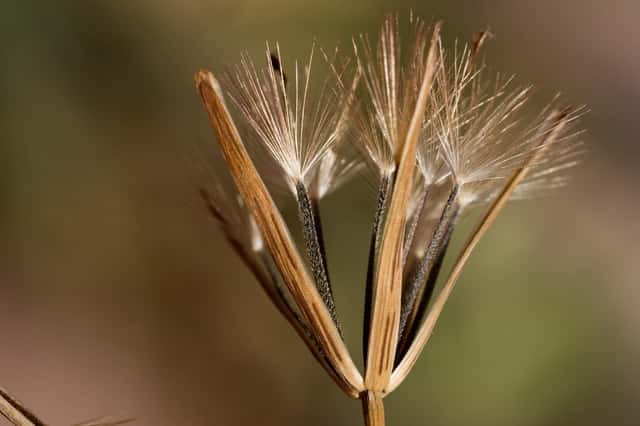
Asteraceae
Papalo: Aromatic Plant
Porophyllum ruderale
Give papalo full sun and hot weather, let the soil dry between waterings, and pinch stems regularly to keep it bushy and productive through the season.
Every 10 days
Bright indirect
15° - 35°C
30% - 60%
Categories
What is Papalo?
Papalo (Porophyllum ruderale) is a easy-care plant from the Asteraceae family. Papalo (Porophyllum ruderale) is a fast-growing annual herb in the daisy family, native to Mexico and South America, prized for its pungent leaves that taste like a blend of arugula, cilantro and rue. Plants form loose, willowy stands up to 1.5 m tall with rounded, blue-green leaves and small tubula...
Papalo grows up to 1.5m, spread of 90cm, watering every 10 days, 15°C – 35°C, 30–60% humidity. It is suitable for indoor environments and safe for pets.
Unlike many tropical plants, Papalo tolerates watering mistakes. Best for beginners. Unlike many popular species, Papalo is safe to keep around pets. Without adequate drainage, root rot can develop within 20 days.
How to Care for Papalo?
TLDR: Papalo needs Bright indirect, watering every 10 days, and temperatures between 15-35°C with 30-60% humidity.
How Often Should You Water Papalo?
Water deeply only when the topsoil is dry; papalo is drought-tolerant once established and overwatering invites root rot.
How Much Light Does Papalo Need?
Full sun is essential — the plant stalls and gets leggy in shade, so pick the hottest, brightest spot in the garden.
What Is the Best Soil for Papalo?
Use loose, well-draining soil (pH 5.8–8.5); rich soil isn't required, but standing water will quickly rot the roots.
What Pot Should You Use for Papalo?
A wide, well-draining terracotta pot at least 30 cm deep suits papalo's fast top growth and its need to dry down between waterings.
Care Schedule
Fertilize
Every 30 days
Rotate
Every 14 days
What Is Papalo and Where Does It Come From?
Papalo (Porophyllum ruderale) is a fast-growing annual herb in the daisy family, native to Mexico and South America, prized for its pungent leaves that taste like a blend of arugula, cilantro and rue. Plants form loose, willowy stands up to 1.5 m tall with rounded, blue-green leaves and small tubular purplish-green flower heads in summer and fall.
How to Propagate Papalo?
Seed sowing
- Sow only after soil is reliably warm (above 21°C/70°F) — seeds will not germinate in cool soil
- Scatter seed on the surface or barely cover, since light aids germination
- Be patient: papalo seed is slow and often erratic to sprout
- 1 Prepare the bed
Choose the hottest, sunniest spot with loose, well-draining soil.
- 2 Sow shallow
Scatter seed on the surface or cover with about 3 mm of fine soil.
- 3 Keep moist
Mist regularly until germination, which can take 2-3 weeks or longer.
- 4 Thin seedlings
Once seedlings have true leaves, thin to 30-45 cm apart.
Materials needed:
Stem cuttings
- Take cuttings from healthy, non-flowering stems
- Rooting hormone improves success but isn't required
- Keep cuttings out of direct sun until rooted
- 1 Take the cutting
Cut a 10-15 cm stem tip below a leaf node.
- 2 Strip lower leaves
Remove leaves from the bottom half of the cutting.
- 3 Root in moist medium
Insert into moist, well-draining mix or water and keep in bright, indirect light.
- 4 Transplant
Once roots form (a few weeks), move to a sunny spot or larger pot.
Materials needed:
How Big Does Papalo Grow?
TLDR: Papalo can reach up to 1.5m tall with Fast growth rate.
Max height
1.5m
Spread
90cm
Growth rate
Fast
Foliage
Deciduous
Plant Uses
Edible
Can be consumed
Medicinal
Medicinal properties
Aromatic
Pleasant fragrance
Medicinal Uses
- Traditionally used to help lower blood pressure
- Used in folk medicine to aid digestion
- Applied topically to reduce swelling from injuries
- Studied for nephroprotective and anti-inflammatory properties
Culinary Uses
- Eaten fresh as a cilantro substitute in salsas and tacos
- Torn over tacos, cemitas and tortas in Mexican cuisine
- Used in the Bolivian llajwa condiment with tomato and locoto
- Added at the end of cooking to preserve its pungent aroma
Is your plant showing symptoms?
Click on the symptom to discover possible causes:
What Diseases Commonly Affect Papalo?
TLDR: Papalo is susceptible to 6 known diseases. Monitor regularly for early detection.
Root Rot
Root rot is a serious fungal disease that affects the root system of plants, causing them to decay and die. It is primarily caused by overwatering, poor drainage, or soil-borne fungi such as Pythium, Phytophthora, Rhizoctonia, and Fusarium. The disease thrives in waterlogged conditions where roots are deprived of oxygen, making them susceptible to fungal infection.
Aphids
Aphids are small, soft-bodied, pear-shaped insects (1/16 to 1/8 inch long) that feed by sucking nutrient-rich sap from plants. They reproduce rapidly and can quickly weaken plants, causing distorted growth and transmitting plant viruses. Aphids come in various colors including green, black, red, yellow, brown, and gray. They secrete honeydew, a sticky substance that attracts ants and encourages sooty mold growth.
Spider Mites
Spider mites are tiny arachnids (less than 1/20 inch long) related to spiders and ticks that feed on plant sap. They thrive in hot, dry conditions and can cause significant damage to ornamental and vegetable plants. During severe infestations, crop losses can reach 14% or higher as these pests disrupt vital plant processes including photosynthesis, carbon dioxide absorption, and transpiration.
Thrips
Thrips are tiny cigar-shaped insects (1/25-inch long) that damage plants by sucking plant juices and scraping at fruits, flowers, and leaves. With over 6,000 species and rapid reproduction (lifecycle as short as 14 days), they can quickly infest plants and transmit viruses like tomato spotted wilt virus.
Meaning & Symbolism
In Nahuatl "papaloquelite" means "butterfly herb," a nod to its fluttering round leaves; across Mexico it is a plant of everyday abundance, brought to the table at gatherings and market feasts.
Compare with similar plants
| Attribute | Difficulty | Light | Watering | Pet Safe |
|---|---|---|---|---|
| Field Maple | Easy | Bright indirect | 14d | ✓ |
| Silver Birch | Easy | Direct sun | 14d | ✓ |
| Cushion Bush | Easy | Direct sun | 14d | ✓ |
| Wild Lettuce | Medium | Direct sun | 7d | ⚠️ |
Choose & Compare
Sources & References
- Porophyllum ruderale - Wikipedia
- How to Plant, Grow, and Care for Papalo Herb
- Yerba Porosa (Porophyllum Ruderale) Plant Care & How to Grow
- How to Grow Papalo From Seed
- Nephroprotective Activity of Papaloquelite (Porophyllum ruderale)
- Anti-inflammatory potential of Bolivian coriander extract
- Bolivian Coriander - Ataman Chemical





