Cyperaceae
Dwarf Papyrus (Cyperus haspan): Complete Care Guide
Cyperus haspan
Keep substrate constantly moist or slightly flooded. Thrives in full sun to partial shade. Ideal in pots partially submerged in water. Fertilize every 3 months with slow-release fertilizer. Trim yellowing stems to encourage new growth.
Every 1 days
Bright indirect
10° - 35°C
60% - 90%
Categories
What is Dwarf Papyrus?
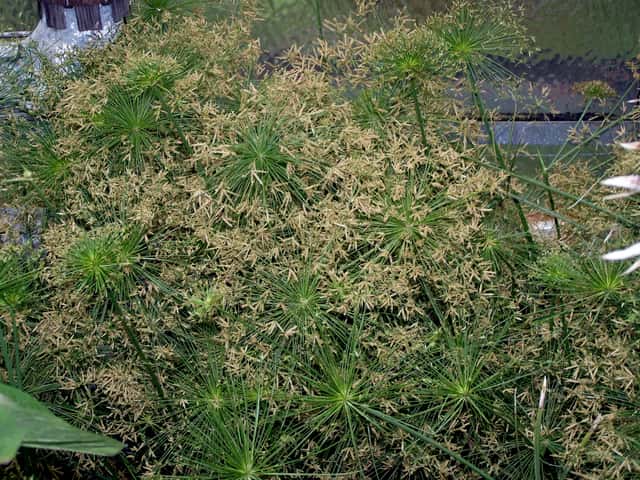
Dwarf Papyrus (Cyperus haspan) is a easy-care plant from the Cyperaceae family. Dwarf Papyrus (Cyperus haspan) is a compact semi-aquatic sedge native to pantropical regions across Africa, Asia, and the Americas. It thrives in ponds, water gardens, aquariums, and bog areas, producing slender upright stems crowned with delicate umbrella-like flowerheads. Its graceful appearance a...
Dwarf Papyrus grows up to 91cm, spread of 60cm, watering every 1 days, 10°C – 35°C, 60–90% humidity. It is suitable for indoor environments and safe for pets.
Unlike many tropical plants, Dwarf Papyrus tolerates watering mistakes. Best for beginners. Unlike many popular species, Dwarf Papyrus is safe to keep around pets. Without adequate drainage, root rot can develop within 7 days.
How to Care for Dwarf Papyrus?
TLDR: Dwarf Papyrus needs Bright indirect, watering every 1 days, and temperatures between 10-35°C with 60-90% humidity.
How Often Should You Water Dwarf Papyrus?
Keep the substrate constantly moist or flooded. The pot can sit in 2-5 cm of water. Never allow the soil to dry out completely — this plant needs wet roots at all times.
How Much Light Does Dwarf Papyrus Need?
Prefers full sun to partial shade. Indoors, place near a south or east-facing window for adequate light. Outdoors, thrives in open sunny spots near water bodies.
What Is the Best Soil for Dwarf Papyrus?
Use clay or organic-rich moisture-retaining soil. A mix of clay and peat works well. Soil pH should be between 5.5 and 8.0.
What Pot Should You Use for Dwarf Papyrus?
Ceramic or sturdy plastic pot without drainage holes, or with a tray kept full of water. Terracotta pots work well in ponds for added stability.
Care Schedule
Fertilize
Every 90 days
Repot
Every 730 days
What Is Dwarf Papyrus and Where Does It Come From?
Dwarf Papyrus (Cyperus haspan) is a compact semi-aquatic sedge native to pantropical regions across Africa, Asia, and the Americas. It thrives in ponds, water gardens, aquariums, and bog areas, producing slender upright stems crowned with delicate umbrella-like flowerheads. Its graceful appearance and fast growth make it a popular choice for water features.
How to Propagate Dwarf Papyrus?
Clump Division
Perform division in spring for best results. Keep roots moist throughout the process.
- 1 Remove plant from pot and separate the clump into sections with roots
- 2 Plant each division in moist substrate or directly in the pond
- 3 Keep substrate flooded until established
Materials needed:
Inverted Stem Cutting
This is a unique technique for this species: the inverted flowerhead spontaneously produces roots and shoots when it touches moist surfaces.
- 1 Cut a mature stem with the intact flowerhead
- 2 Invert the stem and place the flowerhead in contact with moist substrate or water
- 3 Wait for new roots and shoots to emerge from the flowerhead
Materials needed:
How Big Does Dwarf Papyrus Grow?
TLDR: Dwarf Papyrus can reach up to 91cm tall with Fast growth rate.
Max height
91cm
Spread
60cm
Growth rate
Fast
Foliage
Evergreen
Plant Uses
Ornamental
Great for decoration
Is your plant showing symptoms?
Click on the symptom to discover possible causes:
What Diseases Commonly Affect Dwarf Papyrus?
TLDR: Dwarf Papyrus is susceptible to 5 known diseases. Monitor regularly for early detection.
Rust
Rust is a common fungal disease caused by fungi in the order Pucciniales that affects a wide variety of plants. The disease gets its name from the characteristic orange, yellow, or reddish-brown pustules that appear on leaves, resembling metal rust. This obligate fungal parasite requires living plants to survive and can cause significant economic losses in agricultural crops.
Root Rot
Root rot is a serious fungal disease that affects the root system of plants, causing them to decay and die. It is primarily caused by overwatering, poor drainage, or soil-borne fungi such as Pythium, Phytophthora, Rhizoctonia, and Fusarium. The disease thrives in waterlogged conditions where roots are deprived of oxygen, making them susceptible to fungal infection.
Aphids
Aphids are small, soft-bodied, pear-shaped insects (1/16 to 1/8 inch long) that feed by sucking nutrient-rich sap from plants. They reproduce rapidly and can quickly weaken plants, causing distorted growth and transmitting plant viruses. Aphids come in various colors including green, black, red, yellow, brown, and gray. They secrete honeydew, a sticky substance that attracts ants and encourages sooty mold growth.
Spider Mites
Spider mites are tiny arachnids (less than 1/20 inch long) related to spiders and ticks that feed on plant sap. They thrive in hot, dry conditions and can cause significant damage to ornamental and vegetable plants. During severe infestations, crop losses can reach 14% or higher as these pests disrupt vital plant processes including photosynthesis, carbon dioxide absorption, and transpiration.
Fun Facts
Dwarf Papyrus is viviparous: its flowerhead spontaneously produces new plantlets when it touches moist substrate.
Despite its common name, the true papyrus of ancient Egypt is Cyperus papyrus — Dwarf Papyrus is its smaller, more delicate relative.
It grows naturally along riverbanks, lake margins, and rice paddies across pantropical regions of Africa, Asia, and the Americas.
Frequently asked questions
How often should I water Dwarf Papyrus?
Can Dwarf Papyrus grow indoors?
Is Dwarf Papyrus toxic to pets?
How do I propagate Dwarf Papyrus?
Why are the stems of my Dwarf Papyrus turning yellow?
Compare with similar plants
| Attribute | Difficulty | Light | Watering | Pet Safe |
|---|---|---|---|---|
| Field Maple | Easy | Bright indirect | 14d | ✓ |
| Silver Birch | Easy | Direct sun | 14d | ✓ |
| Cushion Bush | Easy | Direct sun | 14d | ✓ |
| Peruvian peppertree | Easy | Direct sun | 14d | ⚠️ |