Fabaceae
Brazilian Orchid Tree: The Medicinal Beauty of Brazil
Bauhinia forficata
Plant in full sun in rich, well-drained soil. Water weekly during establishment; mature trees are drought-tolerant. Prune annually after flowering to maintain shape. Fertilize in early spring.
Every 7 days
Direct sun
10° - 35°C
40% - 80%
Categories
What is Brazilian Orchid Tree?
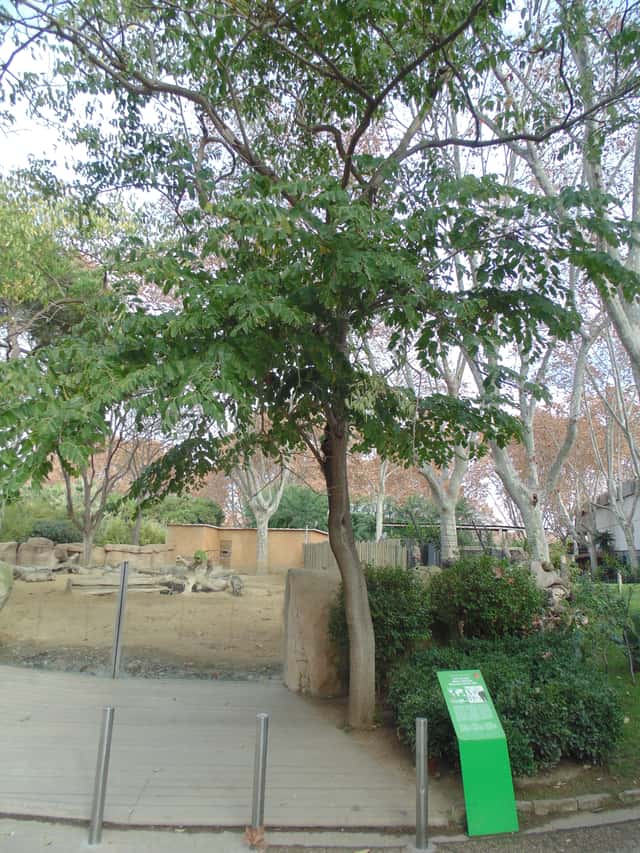
Brazilian Orchid Tree (Bauhinia forficata) is a easy-care plant from the Fabaceae family. Bauhinia forficata, commonly known as the Brazilian Orchid Tree or Cow's Hoof Tree, is a medium-to-large deciduous tree native to Brazil. It produces elegant white flowers resembling orchids in spring and summer and is renowned in traditional Brazilian medicine for its hypoglycemic properties, earni...
Brazilian Orchid Tree grows up to 12.0m, spread of 400cm, watering every 7 days, 10°C – 35°C, 40–80% humidity. It is not suitable for indoor environments and safe for pets.
Unlike many tropical plants, Brazilian Orchid Tree tolerates watering mistakes. Best for beginners. Unlike many popular species, Brazilian Orchid Tree is safe to keep around pets.
How to Care for Brazilian Orchid Tree?
TLDR: Brazilian Orchid Tree needs Direct sun, watering every 7 days, and temperatures between 10-35°C with 40-80% humidity.
How Often Should You Water Brazilian Orchid Tree?
Water weekly for the first 6–12 months. Once established, water only when the soil is completely dry. Mature trees are highly drought-tolerant.
How Much Light Does Brazilian Orchid Tree Need?
Requires full sun — at least 6 hours of direct sunlight per day. Tolerates partial shade but blooms best in full sun exposure.
What Is the Best Soil for Brazilian Orchid Tree?
Prefers fertile, well-draining soil rich in organic matter. Optimal pH 6.0–7.0. Avoid waterlogged soils to prevent root rot.
What Pot Should You Use for Brazilian Orchid Tree?
For container growing, use large pots (minimum 60L) with drainage holes. Terra cotta or ceramic pots help regulate moisture. Best grown directly in the ground.
Care Schedule
Fertilize
Every 90 days
What Is Brazilian Orchid Tree and Where Does It Come From?
Bauhinia forficata, commonly known as the Brazilian Orchid Tree or Cow's Hoof Tree, is a medium-to-large deciduous tree native to Brazil. It produces elegant white flowers resembling orchids in spring and summer and is renowned in traditional Brazilian medicine for its hypoglycemic properties, earning it the nickname "vegetable insulin."
How to Propagate Brazilian Orchid Tree?
Seed Propagation
Scarification significantly improves germination rates. Keep substrate moist but not waterlogged.
- 1 Collect mature seeds from dried pods
- 2 Scarify seeds lightly with sandpaper or soak in warm water for 24 hours
- 3 Plant in moist, well-drained seedling mix at 1-2 cm depth
- 4 Keep in a warm, humid location until germination
Materials needed:
Stem Cutting
Use current-year growth for best results. Cover with a plastic bag to retain humidity.
- 1 Cut a semi-hardwood stem of 20-30 cm
- 2 Remove lower leaves, keeping 2-3 at the top
- 3 Apply rooting hormone to the cut end
- 4 Plant in moist substrate and keep in a sheltered location
Materials needed:
How Big Does Brazilian Orchid Tree Grow?
TLDR: Brazilian Orchid Tree can reach up to 12.0m tall with Medium growth rate.
Max height
12.0m
Spread
4.0m
Growth rate
Medium
Foliage
Deciduous
Plant Uses
Ornamental
Great for decoration
Medicinal
Medicinal properties
Medicinal Uses
- Leaf tea for blood sugar management (type 2 diabetes)
- Infusion for urinary tract infections
- Used as a natural diuretic and anti-inflammatory
- Topical application for wound healing
Is your plant showing symptoms?
Click on the symptom to discover possible causes:
What Diseases Commonly Affect Brazilian Orchid Tree?
TLDR: Brazilian Orchid Tree is susceptible to 6 known diseases. Monitor regularly for early detection.
Aphids
Aphids are small, soft-bodied, pear-shaped insects (1/16 to 1/8 inch long) that feed by sucking nutrient-rich sap from plants. They reproduce rapidly and can quickly weaken plants, causing distorted growth and transmitting plant viruses. Aphids come in various colors including green, black, red, yellow, brown, and gray. They secrete honeydew, a sticky substance that attracts ants and encourages sooty mold growth.
Spider Mites
Spider mites are tiny arachnids (less than 1/20 inch long) related to spiders and ticks that feed on plant sap. They thrive in hot, dry conditions and can cause significant damage to ornamental and vegetable plants. During severe infestations, crop losses can reach 14% or higher as these pests disrupt vital plant processes including photosynthesis, carbon dioxide absorption, and transpiration.
Scale Insects
Scale insects are small sap-sucking pests that appear as brown, shell-like bumps on plant stems and leaves. There are over 25 species, divided into armored (hard) and unarmored (soft) scales. They feed by piercing plant tissue and extracting sap, which weakens the plant and can lead to yellowing, stunted growth, and even death if left untreated. They also excrete honeydew, which attracts ants and promotes sooty mold growth.
Powdery Mildew
Powdery mildew is a common fungal disease caused by various fungi species including Erysiphe, Podosphaera, Oïdium, and Leveillula. It affects over 10,000 plant species worldwide. The disease thrives in warm, dry climates with high humidity and appears as a distinctive white powdery coating on plant surfaces.
Meaning & Symbolism
In Brazilian folk medicine, the Pata de Vaca symbolizes healing and metabolic balance, often called "vegetable insulin" for its blood-sugar-lowering properties.
Fun Facts
Often called "vegetable insulin" in Brazilian folk medicine for its blood sugar-lowering effects
The bilobed leaves resemble a cow's hoof, giving rise to its popular name
Can live for decades and reach over 10 meters tall in ideal conditions
One of the most scientifically studied medicinal plants in Brazil
Frequently asked questions
Does Bauhinia forficata really help with diabetes?
How often should I water my Brazilian Orchid Tree?
Can I grow a Brazilian Orchid Tree in a pot?
When does the Brazilian Orchid Tree bloom?
Compare with similar plants
| Attribute | Difficulty | Light | Watering | Pet Safe |
|---|---|---|---|---|
| Field Maple | Easy | Bright indirect | 14d | ✓ |
| Silver Birch | Easy | Direct sun | 14d | ✓ |
| Cushion Bush | Easy | Direct sun | 14d | ✓ |
| Peruvian peppertree | Easy | Direct sun | 14d | ⚠️ |





