Fabaceae
Peanut (Arachis hypogaea): Complete Growing Guide
Arachis hypogaea
An easy-to-grow crop that thrives in full sun, sandy well-drained soil, and moderate watering. Ideal for home gardens in warm climates. Frost-sensitive; plant after all danger of frost has passed.
Every 7 days
Direct sun
15° - 35°C
40% - 60%
Categories
What is Peanut?
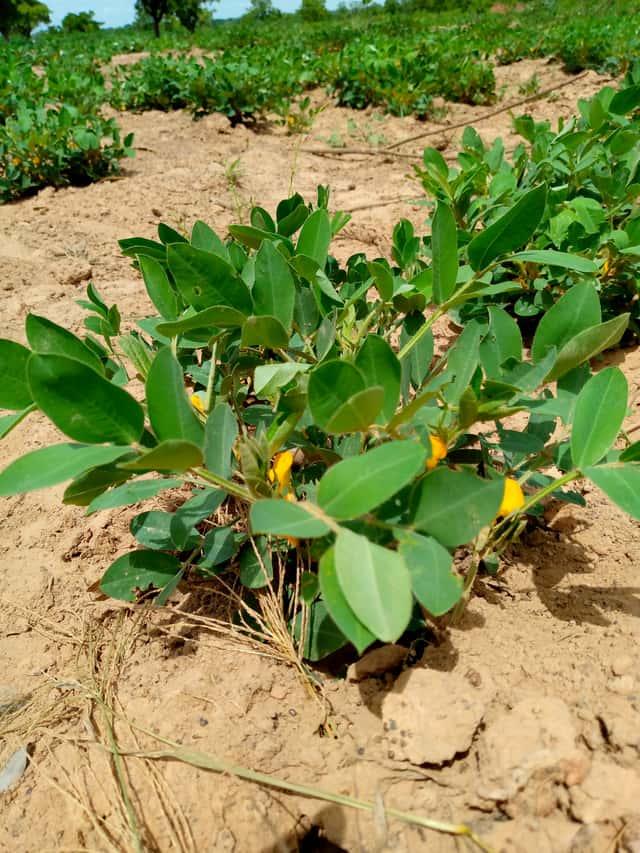
Peanut (Arachis hypogaea) is a easy-care plant from the Fabaceae family. Peanut (Arachis hypogaea) is an annual legume native to South America, cultivated worldwide for its protein- and fat-rich edible seeds. One of its most remarkable traits is geocarpy: after pollination, the flower stalks bend downward and burrow into the soil, where the pods develop underground. The...
Peanut grows up to 50cm, with spread of 90cm, watering every 7 days, 15°C – 35°C, 40–60% humidity. It is not suitable for indoor environments and safe for pets.
Unlike many tropical plants, Peanut tolerates watering mistakes. Best for beginners. Unlike many popular species, Peanut is safe to keep around pets.
How to Care for Peanut?
TLDR: Peanut needs Direct sun, watering every 7 days, and temperatures between 15-35°C with 40-60% humidity.
How Often Should You Water Peanut?
Water every 5-7 days, keeping soil consistently moist during flowering and pod formation. Reduce watering as harvest approaches. Avoid waterlogging, which causes root and pod rot.
How Much Light Does Peanut Need?
Requires full sun (6-8 hours of direct sunlight daily). More sun equals higher yields. Does not perform well in shady conditions.
What Is the Best Soil for Peanut?
Prefers loose, sandy, well-drained soil with a pH of 6.0-6.5. Heavy clay soils prevent pod development. Amend with sand or perlite to improve drainage and soil structure.
What Pot Should You Use for Peanut?
Wide, shallow containers (minimum 30 cm deep, 40 cm wide) with excellent drainage. Terracotta or plastic both work well.
Care Schedule
Fertilize
Every 30 days
What Is Peanut and Where Does It Come From?
Peanut (Arachis hypogaea) is an annual legume native to South America, cultivated worldwide for its protein- and fat-rich edible seeds. One of its most remarkable traits is geocarpy: after pollination, the flower stalks bend downward and burrow into the soil, where the pods develop underground. The plant also fixes atmospheric nitrogen through symbiotic root bacteria, making it a natural soil enricher.
How to Propagate Peanut?
Direct Sowing
Use fresh unroasted seeds. Plant after the last frost date when soil temperature reaches at least 18°C (65°F).
- 1 Select raw, unroasted peanuts as seeds
- 2 Sow directly in final location, 5 cm deep and 15-20 cm apart
- 3 Keep soil moist until germination occurs
- 4 After flowering, loosen soil gently to allow pegs to penetrate underground
Materials needed:
How Big Does Peanut Grow?
TLDR: Peanut can reach up to 50cm tall with Medium growth rate.
Max height
50cm
Spread
90cm
Growth rate
Medium
Foliage
Deciduous
Warning: Toxic Plant
This plant can be toxic if ingested. Keep out of reach of:
Plant Uses
Edible
Can be consumed
Culinary Uses
- Seeds eaten raw, roasted, or as peanut butter
- Peanut oil widely used in cooking and frying
- Peanut flour used in high-protein recipes
- Base for traditional sauces in African, Asian, and South American cuisines
Is your plant showing symptoms?
Click on the symptom to discover possible causes:
What Diseases Commonly Affect Peanut?
TLDR: Peanut is susceptible to 10 known diseases. Monitor regularly for early detection.
Leaf Spot
Leaf spot is a common fungal disease caused by various pathogens including Alternaria, Ascochyta, Colletotrichum, Septoria, and Venturia. It primarily affects leaves, causing discolored spots that can lead to premature leaf drop if left untreated.
Cercospora Leaf Spot
Cercospora leaf spot is a common fungal disease caused by Cercospora species that affects many plant types, particularly beets, roses, and leafy vegetables. The disease thrives in warm, humid conditions and can cause significant defoliation, reducing plant vigor and yield. It spreads rapidly through water splash, wind, and contaminated tools.
Rust
Rust is a common fungal disease caused by fungi in the order Pucciniales that affects a wide variety of plants. The disease gets its name from the characteristic orange, yellow, or reddish-brown pustules that appear on leaves, resembling metal rust. This obligate fungal parasite requires living plants to survive and can cause significant economic losses in agricultural crops.
Root Rot
Root rot is a serious fungal disease that affects the root system of plants, causing them to decay and die. It is primarily caused by overwatering, poor drainage, or soil-borne fungi such as Pythium, Phytophthora, Rhizoctonia, and Fusarium. The disease thrives in waterlogged conditions where roots are deprived of oxygen, making them susceptible to fungal infection.
Meaning & Symbolism
Symbol of prosperity, stability, and abundance. Represents hard work and sustenance in many world cultures.
Fun Facts
Peanuts are not true nuts — they are legumes, related to beans and peas
After flowering, the stem (gynophore) curves downward and buries the developing pod underground — a process called geocarpy
A single peanut plant can produce 30-40 pods per season
Peanut roots host nitrogen-fixing bacteria that naturally enrich the soil
Frequently asked questions
How long does it take peanuts to produce pods?
Can I grow peanuts in a container?
Are peanuts toxic to pets?
How often should I water peanuts?
Compare with similar plants
| Attribute | Difficulty | Light | Watering | Pet Safe |
|---|---|---|---|---|
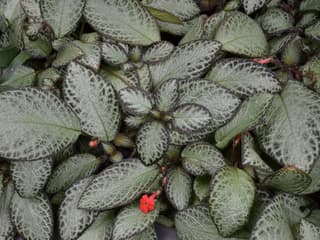
| Flame Violet | Easy | Partial shade | 7d | ✓ |
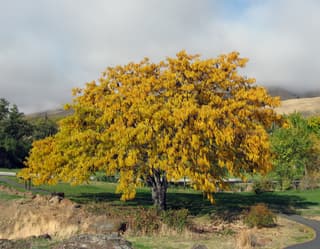
| Honey Locust | Medium | Direct sun | 14d | ✓ |
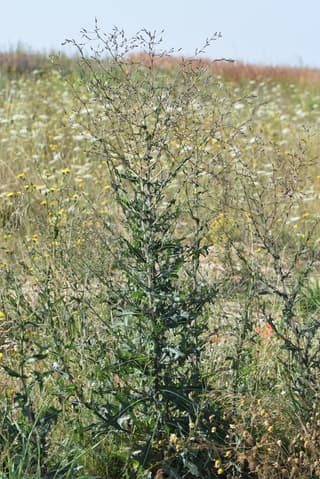
| Prickly Lettuce | Easy | Direct sun | 7d | ✓ |
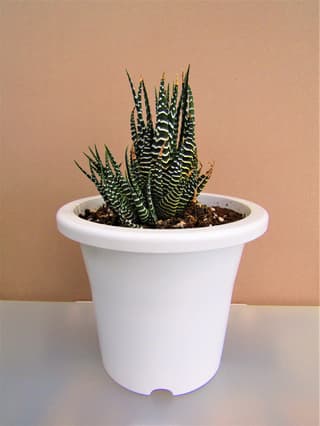
| Haworthiopsis (genus) | Easy | Partial shade | 14d | ✓ |