Apiaceae
Parsley: The Complete Growing and Care Guide
Petroselinum crispum
Parsley is easy to grow, ideal for home herb gardens and containers. It prefers a bright, sunny location, well-draining soil, and regular watering. It tolerates cold well and thrives both indoors and outdoors. Low-maintenance and beginner-friendly, it rewards growers with continuous harvests throughout the growing season.
Every 3 days
Bright indirect
5° - 25°C
40% - 60%
Categories
What is Parsley?
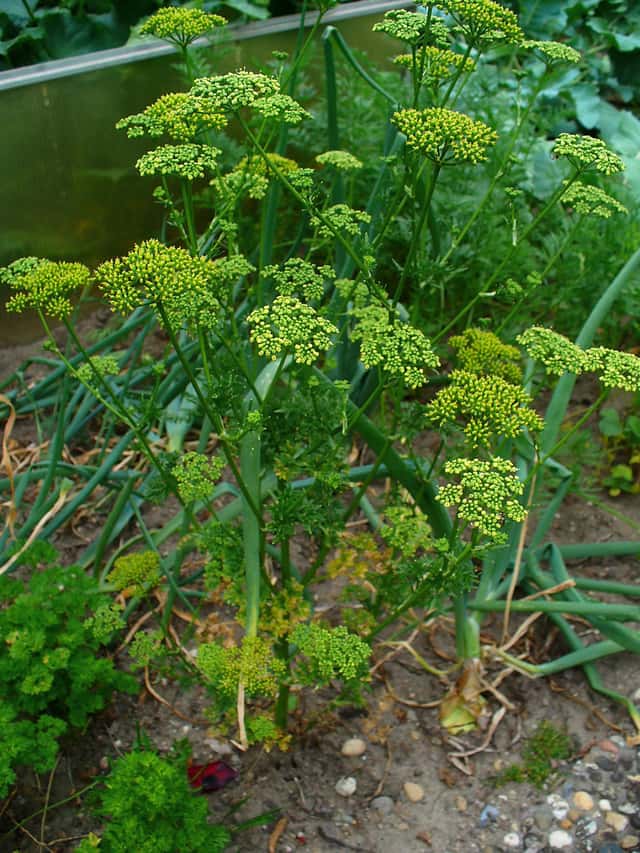
Parsley (Petroselinum crispum) is a easy-care plant from the Apiaceae family. Parsley (Petroselinum crispum) is a biennial aromatic herb from the Apiaceae family, native to the Mediterranean region of Southern Europe. One of the world's most widely used culinary herbs, it is grown fresh or dried to season dishes globally. Its bright green leaves are rich in vitamins C, K, and...
Parsley grows up to 75cm, with spread of 30cm, watering every 3 days, 5°C – 25°C, 40–60% humidity. It is suitable for indoor environments and not safe for pets.
Unlike many tropical plants, Parsley tolerates watering mistakes. Best for beginners. Without precautions, ingestion can cause irritation in pets. Keep out of reach of cats and dogs. Without adequate drainage, root rot can develop within 7 days.
How to Care for Parsley?
TLDR: Parsley needs Bright indirect, watering every 3 days, and temperatures between 5-25°C with 40-60% humidity.
How Often Should You Water Parsley?
Water parsley every 2 to 4 days, keeping the soil consistently moist but never waterlogged. In hot weather, watering may be needed more frequently. Always check the top 2 inches of soil before watering — if dry, it's time to water.
How Much Light Does Parsley Need?
Parsley thrives in full sun to partial shade, needing at least 4 to 6 hours of direct sunlight per day. Indoors, place near a south- or west-facing window to ensure adequate light. Insufficient light causes leggy, pale growth.
What Is the Best Soil for Parsley?
Use light, well-draining soil rich in organic matter. A mix of garden soil, compost, and sand works well. Ideal soil pH is between 5.5 and 7.0. Avoid compacted or waterlogged soil, which promotes root rot.
What Pot Should You Use for Parsley?
Terracotta or ceramic pot with drainage holes. Plastic pots also work indoors as long as drainage is adequate. Minimum depth of 20 cm to accommodate the taproot.
Care Schedule
Fertilize
Every 30 days
Repot
Every 365 days
What Is Parsley and Where Does It Come From?
Parsley (Petroselinum crispum) is a biennial aromatic herb from the Apiaceae family, native to the Mediterranean region of Southern Europe. One of the world's most widely used culinary herbs, it is grown fresh or dried to season dishes globally. Its bright green leaves are rich in vitamins C, K, and antioxidants, making it valued both culinarily and in folk medicine.
How to Propagate Parsley?
Seed Sowing
Parsley germinates slowly. Keep the substrate consistently moist throughout the process. Avoid sowing during very cold or hot weather.
- 1 Soak seeds in warm water for 24 hours before sowing to speed up germination
- 2 Sow directly in soil or containers with moist growing medium at 0.5 cm depth
- 3 Keep the soil moist in a location with temperatures between 15°C and 21°C
- 4 Germination can take 14 to 28 days — be patient
- 5 When seedlings reach 5 cm, thin out keeping only the strongest plants
Materials needed:
How Big Does Parsley Grow?
TLDR: Parsley can reach up to 75cm tall with Medium growth rate.
Max height
75cm
Spread
30cm
Growth rate
Medium
Foliage
Deciduous
Warning: Toxic Plant
This plant can be toxic if ingested. Keep out of reach of:
Plant Uses
Edible
Can be consumed
Medicinal
Medicinal properties
Aromatic
Pleasant fragrance
Medicinal Uses
- Natural diuretic
- Rich in vitamins C and K
- Anti-inflammatory properties
- Aids digestion
- Potent antioxidant
Culinary Uses
- Fresh garnish for salads and soups
- Sauces like chimichurri, gremolata, and persillade
- Tabbouleh salad
- Herb butters and compound sauces
- Marinades for meat and fish
- Parsley pesto
Is your plant showing symptoms?
Click on the symptom to discover possible causes:
What Diseases Commonly Affect Parsley?
TLDR: Parsley is susceptible to 18 known diseases. Monitor regularly for early detection.
Septoria Leaf Spot
Septoria leaf spot is a destructive fungal disease caused by Septoria lycopersici, particularly devastating during seasons of moderate temperature and abundant rainfall. The disease starts on lower leaves and progresses upward, causing small circular spots with tan to gray centers and dark brown margins. If left untreated, it can dramatically reduce plant yields and cause complete leaf blight.
Alternaria Leaf Spot
Alternaria leaf spot is a common fungal disease caused by Alternaria solani and Alternaria alternata that affects a wide range of plants including tomatoes, potatoes, brassicas, and ornamentals. The disease thrives in warm, humid conditions and can cause significant crop damage if left untreated. Spores overwinter on plant debris and can attach to seeds, making complete elimination difficult.
Cercospora Leaf Spot
Cercospora leaf spot is a common fungal disease caused by Cercospora species that affects many plant types, particularly beets, roses, and leafy vegetables. The disease thrives in warm, humid conditions and can cause significant defoliation, reducing plant vigor and yield. It spreads rapidly through water splash, wind, and contaminated tools.
Damping Off
Damping off is a soil-borne fungal disease that affects seeds and young seedlings, causing rotting of stem and root tissues at and below the soil line. It is caused by several fungi including Pythium, Rhizoctonia, Fusarium, and Phytophthora. The disease thrives in cold, wet conditions with poor air circulation.
Meaning & Symbolism
In Mediterranean cultures, parsley symbolizes gratitude, festivity, and celebration. It was used in wreaths and garlands at ancient Greek and Roman feasts.
Fun Facts
Parsley is a biennial: it grows leaves in the first year and flowers and sets seed in the second year before dying
It is one of the richest herbs in vitamin K, essential for blood clotting
In ancient Rome, parsley was used in wreaths at banquets and celebrations
Parsley germination can take up to 4 weeks — one of the slowest among common culinary herbs
Frequently asked questions
How often should I water parsley?
Is parsley toxic to cats and dogs?
Can I grow parsley indoors?
Why are my parsley leaves turning yellow?
When can I harvest parsley?
Compare with similar plants
| Attribute | Difficulty | Light | Watering | Pet Safe |
|---|---|---|---|---|
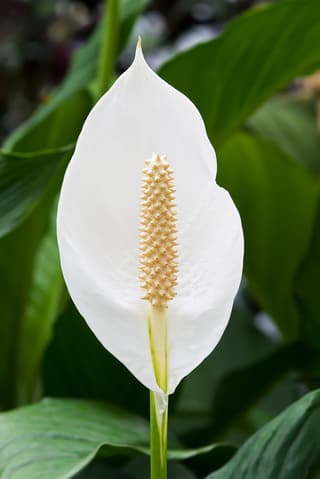
| Peace Lily | Easy | Low light | 4d | ⚠️ |
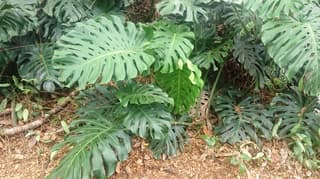
| Swiss Cheese Plant | Easy | Partial shade | 10d | ⚠️ |
| Golden Pothos | Easy | Low light | 8d | ⚠️ |
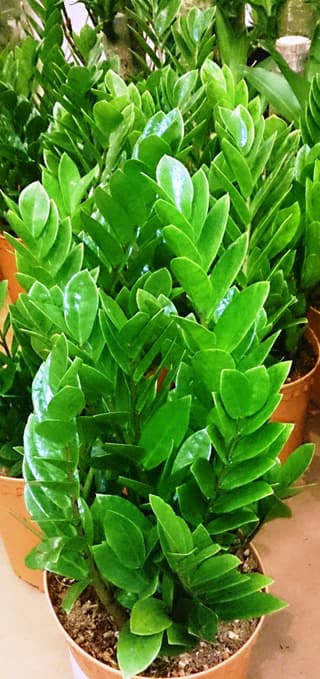
| ZZ Plant | Easy | Low light | 18d | ⚠️ |