Araceae
Horse Head Philodendron: Complete Care Guide
Philodendron panduriforme
A moderate-care plant that thrives in bright indirect light, watering when the topsoil is dry, and humidity between 40-60%. Avoid waterlogging and direct sunlight.
Every 9 days
Partial shade
15° - 24°C
40% - 60%
Categories
What is Horse Head Philodendron?
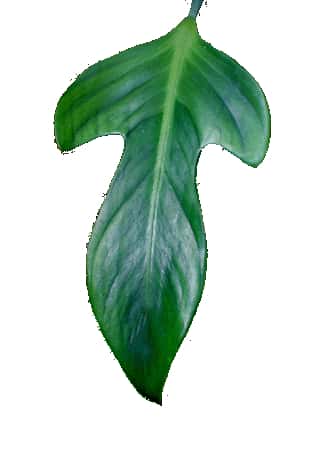
Horse Head Philodendron (Philodendron panduriforme) is a medium-care plant from the Araceae family. Philodendron panduriforme, commonly known as the Horsehead Philodendron, is a tropical climbing plant native to the rainforests of South America, including Brazil, Colombia, Peru, Ecuador, Venezuela, and Bolivia. Belonging to the Araceae family, it is famous for its unique fiddle-shaped or horsehead...
Horse Head Philodendron grows up to 1.8m, spread of 90cm, watering every 9 days, 15°C – 24°C, 40–60% humidity. It is suitable for indoor environments and not safe for pets.
Without precautions, ingestion can cause irritation in pets. Keep out of reach of cats and dogs. Without adequate drainage, root rot can develop within 18 days.
How to Care for Horse Head Philodendron?
TLDR: Horse Head Philodendron needs Partial shade, watering every 9 days, and temperatures between 15-24°C with 40-60% humidity.
How Often Should You Water Horse Head Philodendron?
Water when the top 1 inch (2-3 cm) of soil is dry, usually every 7-10 days in summer and less frequently in winter. Always use room-temperature water and avoid leaving standing water in the saucer.
How Much Light Does Horse Head Philodendron Need?
Prefers bright indirect light, such as from an east- or north-facing window. It tolerates partial shade, but the leaves will grow smaller. Avoid direct sunlight, which can burn the leaves.
What Is the Best Soil for Horse Head Philodendron?
Use a well-draining substrate composed of potting soil, perlite, and pine bark or coconut coir. The ideal pH is between 5.0 and 6.0. Never allow the soil to become waterlogged.
What Pot Should You Use for Horse Head Philodendron?
Ceramic or terracotta pots that allow for good soil aeration are ideal. Ensure the pot has drainage holes.
Care Schedule
Fertilize
Every 30 days
Misting
Every 3 days
Repot
Every 730 days
What Is Horse Head Philodendron and Where Does It Come From?
Philodendron panduriforme, commonly known as the Horsehead Philodendron, is a tropical climbing plant native to the rainforests of South America, including Brazil, Colombia, Peru, Ecuador, Venezuela, and Bolivia. Belonging to the Araceae family, it is famous for its unique fiddle-shaped or horsehead-shaped leaves, which change appearance as the plant matures. It is an excellent choice for indoor environments, providing an exotic and tropical look.
How to Propagate Horse Head Philodendron?
Stem cutting
Use clean and disinfected tools to prevent infections. Change the water weekly if propagating in water.
- 1 Cut a healthy stem with 3-4 nodes using sterilized shears
- 2 Allow it to callous for 1-2 days in a shaded spot
- 3 Plant in moist, well-draining substrate or place in water
- 4 Keep in a warm location with indirect light
- 5 Transplant to a larger pot when roots reach 1-2 inches (3-5 cm)
Materials needed:
How Big Does Horse Head Philodendron Grow?
TLDR: Horse Head Philodendron can reach up to 1.8m tall with Medium growth rate.
Max height
1.8m
Spread
90cm
Growth rate
Medium
Foliage
Evergreen
Warning: Toxic Plant
This plant can be toxic if ingested. Keep out of reach of:
Plant Uses
Ornamental
Great for decoration
Is your plant showing symptoms?
Click on the symptom to discover possible causes:
What Diseases Commonly Affect Horse Head Philodendron?
TLDR: Horse Head Philodendron is susceptible to 8 known diseases. Monitor regularly for early detection.
Root Rot
Root rot is a serious fungal disease that affects the root system of plants, causing them to decay and die. It is primarily caused by overwatering, poor drainage, or soil-borne fungi such as Pythium, Phytophthora, Rhizoctonia, and Fusarium. The disease thrives in waterlogged conditions where roots are deprived of oxygen, making them susceptible to fungal infection.
Bacterial Soft Rot
Bacterial soft rot is a destructive plant disease caused primarily by bacteria from the genera Pectobacterium (formerly Erwinia) and Dickeya. These bacteria produce enzymes that break down plant cell walls, causing rapid and foul-smelling tissue decomposition. It mainly affects succulent tissues such as tubers, fruits, stems, and bulbs, being especially problematic in warm and humid conditions.
Leaf Spot
Leaf spot is a common fungal disease caused by various pathogens including Alternaria, Ascochyta, Colletotrichum, Septoria, and Venturia. It primarily affects leaves, causing discolored spots that can lead to premature leaf drop if left untreated.
Spider Mites
Spider mites are tiny arachnids (less than 1/20 inch long) related to spiders and ticks that feed on plant sap. They thrive in hot, dry conditions and can cause significant damage to ornamental and vegetable plants. During severe infestations, crop losses can reach 14% or higher as these pests disrupt vital plant processes including photosynthesis, carbon dioxide absorption, and transpiration.
Compare with similar plants
| Attribute | Difficulty | Light | Watering | Pet Safe |
|---|---|---|---|---|
| Dark Fieldcap | Medium | Low light | 2d | ⚠️ |
| Azalea | Medium | Partial shade | 3d | ⚠️ |
| Bougainvillea | Medium | Direct sun | 7d | ⚠️ |
| Wild Lettuce | Medium | Direct sun | 7d | ⚠️ |



