Polemoniaceae
Wild Sweet William — How to Grow Phlox maculata
Phlox maculata
Plant in consistently moist, organically rich, well-draining soil in full sun to part shade. Water regularly to prevent drought stress. Fertilize in spring and again in early summer. Cut back by half after summer bloom to encourage fall rebloom. Divide clumps every 3–4 years in spring or fall to maintain vigor.
Every 7 days
Bright indirect
-29° - 35°C
50% - 80%
Categories
What is Wild Sweet William?
Wild Sweet William (Phlox maculata) is a easy-care plant from the Polemoniaceae family. Wild Sweet William (Phlox maculata) is a clump-forming herbaceous perennial native to the eastern United States, belonging to the family Polemoniaceae. Its distinctively spotted red-purple stems grow 60–90 cm (2–3 ft) tall and bear dense cylindrical clusters of fragrant flowers in shades of pink, la...
Wild Sweet William grows up to 90cm, spread of 60cm, watering every 7 days, -29°C – 35°C, 50–80% humidity. It is not suitable for indoor environments and safe for pets.
Unlike many tropical plants, Wild Sweet William tolerates watering mistakes. Best for beginners. Unlike many popular species, Wild Sweet William is safe to keep around pets.
How to Care for Wild Sweet William?
TLDR: Wild Sweet William needs Bright indirect, watering every 7 days, and temperatures between -29-35°C with 50-80% humidity.
How Often Should You Water Wild Sweet William?
Water every 7 days, keeping the soil consistently moist but not waterlogged. During dry spells, water more frequently. Apply a 2–3 inch layer of mulch to retain soil moisture and keep roots cool.
How Much Light Does Wild Sweet William Need?
Prefers full sun (6+ hours of direct sunlight daily) but tolerates light shade. In hot climates, afternoon shade helps preserve flowers and extend the blooming period.
What Is the Best Soil for Wild Sweet William?
Thrives in loamy, organically rich soil with a pH of 6.0–8.0. Tolerates clay and sandy loams; does well in moist or occasionally flooded conditions near streams or pond edges. Good drainage reduces disease risk.
What Pot Should You Use for Wild Sweet William?
Outdoor garden bed or border; not suited to containers — best in open naturalistic gardens, rain gardens, or moist wildflower meadows.
Care Schedule
Fertilize
Every 60 days
Misting
Every 3 days
Rotate
Every 7 days
Repot
Every 365 days
What Is Wild Sweet William and Where Does It Come From?
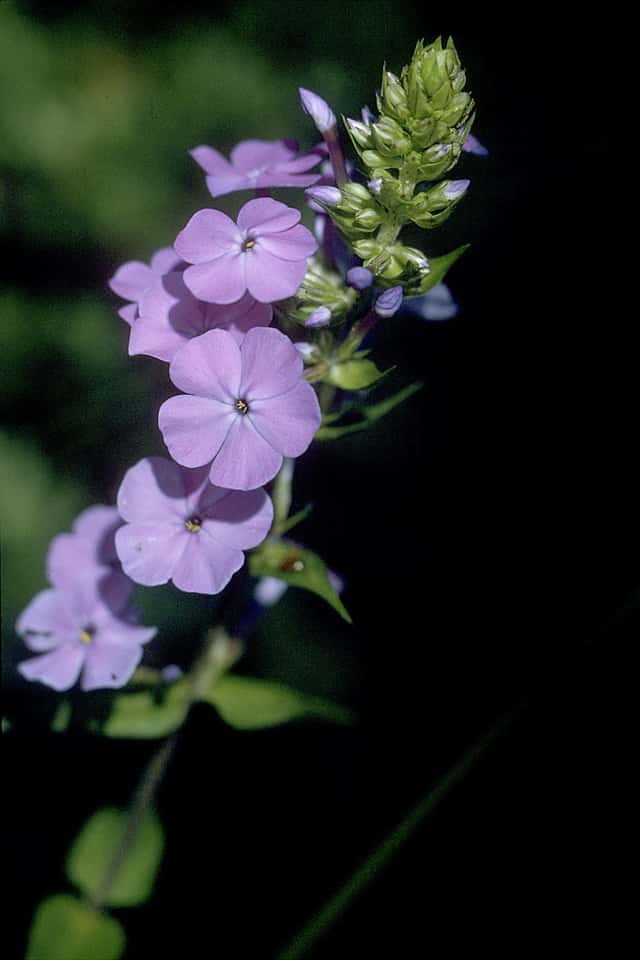
Wild Sweet William (Phlox maculata) is a clump-forming herbaceous perennial native to the eastern United States, belonging to the family Polemoniaceae. Its distinctively spotted red-purple stems grow 60–90 cm (2–3 ft) tall and bear dense cylindrical clusters of fragrant flowers in shades of pink, lavender, purple, and white from early to midsummer. Significantly more resistant to powdery mildew than garden phlox (P. paniculata), this native wildflower thrives in moist meadows, woodland edges, and streambanks, attracting butterflies, hummingbirds, and sphinx moths.
How to Propagate Wild Sweet William?
Clump Division
Stem Cuttings
Seed Propagation
How Big Does Wild Sweet William Grow?
TLDR: Wild Sweet William can reach up to 90cm tall with Medium growth rate.
Max height
90cm
Spread
60cm
Growth rate
Medium
Foliage
Deciduous
Plant Uses
Ornamental
Great for decoration
Ground Cover
Soil coverage
Is your plant showing symptoms?
Click on the symptom to discover possible causes:
What Diseases Commonly Affect Wild Sweet William?
TLDR: Wild Sweet William is susceptible to 7 known diseases. Monitor regularly for early detection.
Powdery Mildew
Powdery mildew is a common fungal disease caused by various fungi species including Erysiphe, Podosphaera, Oïdium, and Leveillula. It affects over 10,000 plant species worldwide. The disease thrives in warm, dry climates with high humidity and appears as a distinctive white powdery coating on plant surfaces.
Aphids
Aphids are small, soft-bodied, pear-shaped insects (1/16 to 1/8 inch long) that feed by sucking nutrient-rich sap from plants. They reproduce rapidly and can quickly weaken plants, causing distorted growth and transmitting plant viruses. Aphids come in various colors including green, black, red, yellow, brown, and gray. They secrete honeydew, a sticky substance that attracts ants and encourages sooty mold growth.
Spider Mites
Spider mites are tiny arachnids (less than 1/20 inch long) related to spiders and ticks that feed on plant sap. They thrive in hot, dry conditions and can cause significant damage to ornamental and vegetable plants. During severe infestations, crop losses can reach 14% or higher as these pests disrupt vital plant processes including photosynthesis, carbon dioxide absorption, and transpiration.
Phytophthora Blight
Devastating fungal disease caused by Phytophthora species (primarily P. capsici and P. infestans), famously responsible for the Irish Potato Famine in the 1840s. Affects all plant parts including roots, stems, leaves, and fruits in warm, wet conditions. The pathogen is technically an oomycete (water mold) that thrives in saturated soils and can survive in soil for 5+ years.
Meaning & Symbolism
Symbolizes natural beauty, innocence, and sweet affection. In North American wildflower traditions, meadow phlox represents harmony with nature and the carefree abundance of summer meadows.
Fun Facts
The species name "maculata" is Latin for "spotted," referring to the distinctive red-purple markings on its stems.
Wild Sweet William is one of the most powdery mildew-resistant phlox species, making it an excellent low-maintenance choice for humid gardens.
Its fragrant flowers emit their strongest scent in the evening, attracting night-flying pollinators such as sphinx moths.
Native to the Appalachian Mountains and Great Lakes Plains, it naturally grows in moist meadows, floodplains, and streambanks.
Deadheading or cutting plants back by half after summer bloom can trigger a second flowering flush in early fall.
Frequently asked questions
Is Wild Sweet William toxic to pets?
How often should I water Wild Sweet William?
When does Wild Sweet William bloom?
Compare with similar plants
| Attribute | Difficulty | Light | Watering | Pet Safe |
|---|---|---|---|---|
| Field Maple | Easy | Bright indirect | 14d | ✓ |
| Silver Birch | Easy | Direct sun | 14d | ✓ |
| Cushion Bush | Easy | Direct sun | 14d | ✓ |
| Peruvian peppertree | Easy | Direct sun | 14d | ⚠️ |





