Anacardiaceae
Pistacia: The Pistachio and Mastic Tree Genus
Pistacia
Plant in full sun. Water deeply but infrequently, allowing the soil to dry out completely between waterings. Prefers well-draining, slightly alkaline soil. Tolerates intense heat and poor soils. Grows slowly but is extremely long-lived.
Every 14 days
Direct sun
-10° - 45°C
30% - 60%
Categories
What is Pistachio?
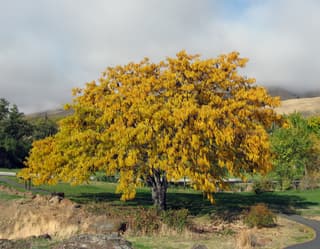
Pistachio (Pistacia) is a medium-care plant from the Anacardiaceae family. Pistacia is a genus of trees and shrubs in the family Anacardiaceae, native to Mediterranean regions, the Middle East, Central Asia, and parts of the Americas. The genus includes iconic species such as the edible pistachio (P. vera), the mastic tree (P. lentiscus), the terebinth (P. terebinthus), an...
Pistachio grows up to 15.0m, spread of 600cm, watering every 14 days, -10°C – 45°C, 30–60% humidity. It is not suitable for indoor environments and safe for pets.
Unlike many popular species, Pistachio is safe to keep around pets.
How to Care for Pistachio?
TLDR: Pistachio needs Direct sun, watering every 14 days, and temperatures between -10-45°C with 30-60% humidity.
How Often Should You Water Pistachio?
Water every 10–14 days during the growing season; reduce significantly in winter. Once established, tolerates extended drought periods. Avoid waterlogging — root rot is the main risk.
How Much Light Does Pistachio Need?
Requires full sun (6–8 hours daily). Does not tolerate shade. Growth and productivity are severely impaired with less than 6 hours of direct sunlight.
What Is the Best Soil for Pistachio?
Use sandy or loamy, well-draining soil with a pH of 6.0–8.5. Tolerates calcareous, stony, and slightly saline soils. Avoid compacted or poorly drained ground.
What Pot Should You Use for Pistachio?
Large terracotta or unglazed clay pot with generous drainage holes for container growing. Ground planting is strongly preferred for best results.
What Is Pistachio and Where Does It Come From?
Pistacia is a genus of trees and shrubs in the family Anacardiaceae, native to Mediterranean regions, the Middle East, Central Asia, and parts of the Americas. The genus includes iconic species such as the edible pistachio (P. vera), the mastic tree (P. lentiscus), the terebinth (P. terebinthus), and the ornamental Chinese pistache (P. chinensis). Adapted to arid and semi-arid climates, Pistacia plants are celebrated for their exceptional drought tolerance, longevity, and versatile uses spanning food, medicine, and ornamentation.
How to Propagate Pistachio?
Seed Propagation
Use fresh seeds for better germination rates. Cold stratification for 4–6 weeks can speed up the process.
- 1 Soak seeds in warm water for 3–4 days
- 2 Sow in well-draining substrate in a cold frame or cool greenhouse
- 3 Maintain temperature between 15–20°C
- 4 Transplant when seedlings reach 10 cm tall
- 5 Be patient: germination can take several weeks
Materials needed:
Grafting
Preferred method for preserving quality cultivars. Use disease-resistant rootstocks such as P. integerrima.
- 1 Select a healthy rootstock
- 2 Perform T-budding or chip budding in early spring
- 3 Secure with grafting tape
- 4 Keep in a sheltered spot until budding is established
Materials needed:
How Big Does Pistachio Grow?
TLDR: Pistachio can reach up to 15.0m tall with Slow growth rate.
Max height
15.0m
Spread
6.0m
Growth rate
Slow
Plant Uses
Ornamental
Great for decoration
Edible
Can be consumed
Medicinal
Medicinal properties
Medicinal Uses
- Mastic resin from P. lentiscus is used to treat respiratory issues, gastritis, and ulcers
- Terebinth (P. terebinthus) was historically a source of turpentine with antiseptic properties
- Leaf and bark extracts are used in traditional Arab and Mediterranean medicine for pain and inflammation
Culinary Uses
- P. vera seeds (pistachios) are eaten raw or roasted and used extensively in confectionery, ice cream, and savory dishes
- Pistachio oil is used in gourmet cooking
- Mastic resin flavors liqueurs, bread, and traditional Greek sweets
Is your plant showing symptoms?
Click on the symptom to discover possible causes:
What Diseases Commonly Affect Pistachio?
TLDR: Pistachio is susceptible to 9 known diseases. Monitor regularly for early detection.
Overwatering
Overwatering occurs when plants receive too much water, depriving roots of oxygen and causing root rot. This environmental stress is one of the most common causes of houseplant death, as waterlogged soil prevents roots from breathing and functioning properly.
Root Rot
Root rot is a serious fungal disease that affects the root system of plants, causing them to decay and die. It is primarily caused by overwatering, poor drainage, or soil-borne fungi such as Pythium, Phytophthora, Rhizoctonia, and Fusarium. The disease thrives in waterlogged conditions where roots are deprived of oxygen, making them susceptible to fungal infection.
Phytophthora Root Rot
Disease caused by fungus-like organisms (oomycetes) that live in soil and can survive for years. It affects roots, stem, and crown of plants, being especially severe in waterlogged or poorly drained soils. It is the second most common cause of root rot in trees and shrubs.
Aphids
Aphids are small, soft-bodied, pear-shaped insects (1/16 to 1/8 inch long) that feed by sucking nutrient-rich sap from plants. They reproduce rapidly and can quickly weaken plants, causing distorted growth and transmitting plant viruses. Aphids come in various colors including green, black, red, yellow, brown, and gray. They secrete honeydew, a sticky substance that attracts ants and encourages sooty mold growth.
Meaning & Symbolism
In Mediterranean and Middle Eastern cultures, the pistachio symbolizes good fortune, prosperity, and fertility. The mastic tree of Chios, Greece, is considered sacred by local communities and is deeply tied to heritage and resilience.
Fun Facts
The pistachio tree (P. vera) can live over 300 years and produce fruit for decades
Mastic resin from P. lentiscus on Chios, Greece, has been used as natural chewing gum for over 2,500 years
P. chinensis is prized as an ornamental tree for its spectacular autumn foliage colors
Pistacia species survive extreme arid conditions, thriving in rocky, alkaline soils where few plants can grow
Frequently asked questions
How often should I water a Pistacia plant?
How cold-hardy is Pistacia?
Can Pistacia be grown in a pot?
When does pistachio start producing fruit?
What are the main diseases of Pistacia?
Compare with similar plants
| Attribute | Difficulty | Light | Watering | Pet Safe |
|---|---|---|---|---|
| Azalea | Medium | Partial shade | 3d | ⚠️ |
| Wild Lettuce | Medium | Direct sun | 7d | ⚠️ |
| Cape Primrose | Medium | Partial shade | 7d | ✓ |
| Honey Locust | Medium | Direct sun | 14d | ✓ |