Lamiaceae
Candle Plant (Coleus paniculatus): Complete Care Guide
Coleus paniculatus
Fast-growing tropical shrub requiring bright indirect light, consistently moist but well-draining soil, and moderate humidity (40–70%). Water every 7 days or when the top 2–3 cm of soil dry out. Keep temperatures above 13°C (55°F) and protect from frost.
Every 7 days
Partial shade
13° - 27°C
40% - 70%
Categories
What is Candle Plant?
Candle Plant (Coleus paniculatus) is a medium-care plant from the Lamiaceae family. Coleus paniculatus (Candle Plant) is an accepted species in the family Lamiaceae, native to the wet tropical biomes of southern India to southern Indo-China, including India, Thailand, and Vietnam. It was historically treated as a synonym of Plectranthus coleoides and related Plectranthus species, b...
Candle Plant grows up to 90cm, spread of 90cm, watering every 7 days, 13°C – 27°C, 40–70% humidity. It is suitable for indoor environments and not safe for pets.
Without precautions, ingestion can cause irritation in pets. Keep out of reach of cats and dogs. Without adequate drainage, root rot can develop within 14 days.
How to Care for Candle Plant?
TLDR: Candle Plant needs Partial shade, watering every 7 days, and temperatures between 13-27°C with 40-70% humidity.
How Often Should You Water Candle Plant?
Water when the top 1–2 inches of soil feel dry, typically every 7 days. Always water thoroughly until excess drains from the pot base, then discard the drained water to prevent root rot. Avoid letting the plant sit in standing water.
How Much Light Does Candle Plant Need?
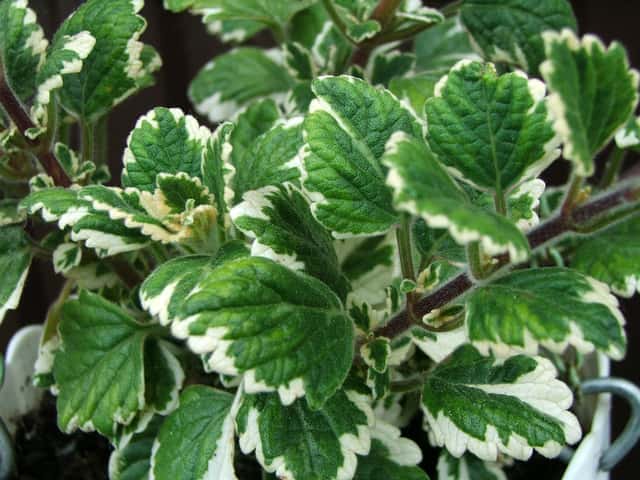
Prefers bright indirect light or dappled sun. Tolerates a few hours of gentle morning sun but avoid prolonged exposure to intense midday sun, which can scorch the colourful leaves. Indoors, a bright east- or west-facing windowsill works well.
What Is the Best Soil for Candle Plant?
Use a well-draining mix of potting soil, perlite, and peat moss at roughly equal ratios. Target pH 6.0–7.0. Good drainage is critical — soggy soil rapidly leads to pythium or phytophthora root rot.
What Pot Should You Use for Candle Plant?
Terracotta or ceramic pots with drainage holes are ideal for providing good air circulation to the root zone. Avoid oversized pots as excess soil retains moisture and increases root rot risk.
Care Schedule
Fertilize
Every 14 days
Misting
Every 3 days
Rotate
Every 7 days
Repot
Every 365 days
What Is Candle Plant and Where Does It Come From?
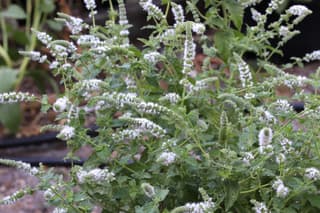
Coleus paniculatus (Candle Plant) is an accepted species in the family Lamiaceae, native to the wet tropical biomes of southern India to southern Indo-China, including India, Thailand, and Vietnam. It was historically treated as a synonym of Plectranthus coleoides and related Plectranthus species, but Coleus paniculatus Benth. is now confirmed as the accepted name by Kew Plants of the World Online (POWO). This fast-growing evergreen shrub is prized for its highly ornamental, richly coloured foliage and is used both as an indoor houseplant and as a tropical garden specimen. It can reach up to 90 cm (3 ft) in height under optimal conditions.
How Big Does Candle Plant Grow?
TLDR: Candle Plant can reach up to 90cm tall with Fast growth rate.
Max height
90cm
Spread
90cm
Growth rate
Fast
Foliage
Evergreen
Warning: Toxic Plant
This plant can be toxic if ingested. Keep out of reach of:
Plant Uses
Ornamental
Great for decoration
Medicinal
Medicinal properties
Medicinal Uses
- Used in traditional South Asian folk medicine for coughs, skin conditions, and digestive complaints — no peer-reviewed clinical validation available.
Is your plant showing symptoms?
Click on the symptom to discover possible causes:
What Diseases Commonly Affect Candle Plant?
TLDR: Candle Plant is susceptible to 13 known diseases. Monitor regularly for early detection.
Root Rot
Root rot is a serious fungal disease that affects the root system of plants, causing them to decay and die. It is primarily caused by overwatering, poor drainage, or soil-borne fungi such as Pythium, Phytophthora, Rhizoctonia, and Fusarium. The disease thrives in waterlogged conditions where roots are deprived of oxygen, making them susceptible to fungal infection.
Downy Mildew
Downy mildew is a fungal-like disease caused by oomycetes (water molds) that thrives in cool, wet conditions. It affects a wide range of plants, causing yellowing leaves with fuzzy white-gray growth underneath, leading to defoliation and reduced yields if left untreated.
Overwatering
Overwatering occurs when plants receive too much water, depriving roots of oxygen and causing root rot. This environmental stress is one of the most common causes of houseplant death, as waterlogged soil prevents roots from breathing and functioning properly.
Powdery Mildew
Powdery mildew is a common fungal disease caused by various fungi species including Erysiphe, Podosphaera, Oïdium, and Leveillula. It affects over 10,000 plant species worldwide. The disease thrives in warm, dry climates with high humidity and appears as a distinctive white powdery coating on plant surfaces.
Meaning & Symbolism
Vitality, creativity, and tropical abundance. In South and Southeast Asian folk traditions, coleus plants are associated with good fortune and spiritual protection.
Fun Facts
Coleus paniculatus is an accepted species name confirmed by Kew Science (POWO), with synonyms including Plectranthus coleoides and Solenostemon paniculatus.
This species is now extinct in Sri Lanka, where it was formerly part of the native wet tropical flora.
The genus Coleus underwent major taxonomic revision; many species previously placed in Plectranthus have been moved back to Coleus based on phylogenetic studies.
Frequently asked questions
Is the Candle Plant (Coleus paniculatus) toxic to pets?
How often should I water Coleus paniculatus?
Can Coleus paniculatus be grown indoors?
Compare with similar plants
| Attribute | Difficulty | Light | Watering | Pet Safe |
|---|---|---|---|---|
| Dark Fieldcap | Medium | Low light | 2d | ⚠️ |
| Azalea | Medium | Partial shade | 3d | ⚠️ |
| Bougainvillea | Medium | Direct sun | 7d | ⚠️ |
| Wild Lettuce | Medium | Direct sun | 7d | ⚠️ |