Asteraceae
Prairie Sunflower (Helianthus petiolaris)
Helianthus petiolaris
Prairie Sunflower is a low-maintenance annual that loves full sun and well-drained soil. Water sparingly — it is drought tolerant and prefers to dry out between waterings. Fertilize every 4 weeks during the growing season. Sow seeds directly in spring. Excellent for wildflower meadows, pollinator gardens, and naturalized areas.
Every 7 days
Direct sun
-5° - 35°C
30% - 60%
Categories
What is Prairie Sunflower?
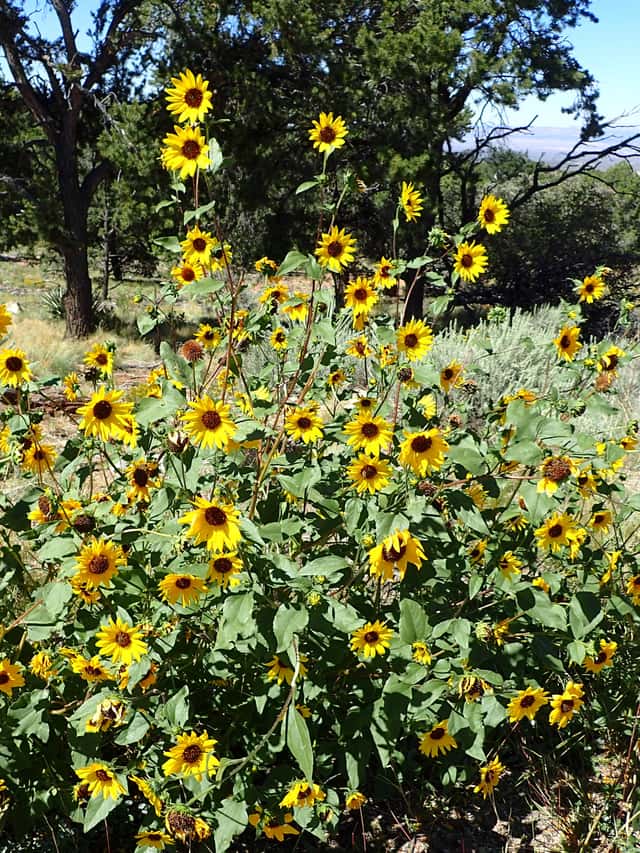
Prairie Sunflower (Helianthus petiolaris) is a easy-care plant from the Asteraceae family. Helianthus petiolaris, commonly known as the Prairie Sunflower or Lesser Sunflower, is a fast-growing annual native to the dry prairies and sandy soils of western and central North America. It produces cheerful bright yellow daisy-like flowers with dark brown central discs from summer through fall,...
Prairie Sunflower grows up to 1.5m, spread of 60cm, watering every 7 days, -5°C – 35°C, 30–60% humidity. It is not suitable for indoor environments and safe for pets.
Unlike many tropical plants, Prairie Sunflower tolerates watering mistakes. Best for beginners. Unlike many popular species, Prairie Sunflower is safe to keep around pets.
How to Care for Prairie Sunflower?
TLDR: Prairie Sunflower needs Direct sun, watering every 7 days, and temperatures between -5-35°C with 30-60% humidity.
How Often Should You Water Prairie Sunflower?
Water sparingly every 7–10 days, allowing the soil to dry out completely between waterings. Overwatering can cause root rot. In hot, dry summers, water more frequently but always check that the top inch of soil is dry before watering again.
How Much Light Does Prairie Sunflower Need?
Requires full, direct sunlight — at least 6 hours per day. This plant cannot grow in shade and will become leggy and fail to flower without adequate sun. Place in the sunniest spot available in your garden.
What Is the Best Soil for Prairie Sunflower?
Thrives in well-draining loamy or sandy soil. Avoid heavy clay or waterlogged ground. Amend poor soils lightly with compost if needed, but Prairie Sunflower actually does well in low-fertility conditions — too much richness can promote leafy growth at the expense of flowers.
What Pot Should You Use for Prairie Sunflower?
Terracotta pot (for potted specimens) or planted directly in the ground. If growing in containers, use a large pot (at least 30 cm diameter) with excellent drainage holes to prevent waterlogging.
Care Schedule
Fertilize
Every 28 days
What Is Prairie Sunflower and Where Does It Come From?
Helianthus petiolaris, commonly known as the Prairie Sunflower or Lesser Sunflower, is a fast-growing annual native to the dry prairies and sandy soils of western and central North America. It produces cheerful bright yellow daisy-like flowers with dark brown central discs from summer through fall, attracting bees, butterflies, and other pollinators. As one of the most widely distributed wild sunflowers in North America, it thrives with minimal care in open, sunny locations and poor soils where other plants struggle.
How to Propagate Prairie Sunflower?
Seed Sowing
Direct sowing outdoors is preferred as prairie sunflowers dislike root disturbance. Seeds germinate best at soil temperatures of 18-24°C.
- 1 Sow seeds directly in prepared, well-draining soil after the last frost date.
- 2 Press seeds gently into the soil about 1 cm deep, spacing them 30-45 cm apart.
- 3 Water lightly after sowing and keep the soil slightly moist until germination.
- 4 Thin seedlings to the strongest plant once they reach 10 cm tall.
- 5 No transplanting necessary when direct-sown; alternatively, start indoors 4-6 weeks before last frost.
Materials needed:
How Big Does Prairie Sunflower Grow?
TLDR: Prairie Sunflower can reach up to 1.5m tall with Fast growth rate.
Max height
1.5m
Spread
60cm
Growth rate
Fast
Foliage
Deciduous
Plant Uses
Ornamental
Great for decoration
Edible
Can be consumed
Medicinal
Medicinal properties
Medicinal Uses
- Powdered leaves have traditionally been used as a topical dressing for sores and swellings
Culinary Uses
- Seeds can be eaten raw or cooked; they have an oily texture and can be ground into a nutritious seed butter or meal
Is your plant showing symptoms?
Click on the symptom to discover possible causes:
What Diseases Commonly Affect Prairie Sunflower?
TLDR: Prairie Sunflower is susceptible to 4 known diseases. Monitor regularly for early detection.
Powdery Mildew
Powdery mildew is a common fungal disease caused by various fungi species including Erysiphe, Podosphaera, Oïdium, and Leveillula. It affects over 10,000 plant species worldwide. The disease thrives in warm, dry climates with high humidity and appears as a distinctive white powdery coating on plant surfaces.
Downy Mildew
Downy mildew is a fungal-like disease caused by oomycetes (water molds) that thrives in cool, wet conditions. It affects a wide range of plants, causing yellowing leaves with fuzzy white-gray growth underneath, leading to defoliation and reduced yields if left untreated.
Rust
Rust is a common fungal disease caused by fungi in the order Pucciniales that affects a wide variety of plants. The disease gets its name from the characteristic orange, yellow, or reddish-brown pustules that appear on leaves, resembling metal rust. This obligate fungal parasite requires living plants to survive and can cause significant economic losses in agricultural crops.
Slugs and Snails
Slugs and snails are mollusks that feed on plant tissue, causing irregular holes in leaves and damage to young seedlings. They are most active at night and in moist conditions, leaving characteristic silvery slime trails. These pests can quickly devastate gardens, especially during wet seasons.
Meaning & Symbolism
The Prairie Sunflower symbolizes loyalty, optimism, and resilience. Like the sunflower that always faces the sun, it represents the pursuit of light and positivity. In Native American traditions, sunflowers were associated with harvest, abundance, and the life-giving power of the sun.
Fun Facts
Prairie Sunflower is one of the most widespread wild sunflowers in North America, found from Minnesota to California and into Canada.
It was first described botanically in 1821 by Thomas Nuttall, an English-American botanist and pioneer of North American flora.
The species name petiolaris refers to its distinctive long-stalked (petiolate) leaves.
Prairie Sunflower has contributed genes for disease resistance to cultivated sunflower breeding programs, particularly against basal stalk rot.
Frequently asked questions
How often should I water Prairie Sunflower?
How much sun does Prairie Sunflower need?
Is Prairie Sunflower toxic to pets?
Can I grow Prairie Sunflower in a pot?
When does Prairie Sunflower bloom?
Compare with similar plants
| Attribute | Difficulty | Light | Watering | Pet Safe |
|---|---|---|---|---|
| Field Maple | Easy | Bright indirect | 14d | ✓ |
| Silver Birch | Easy | Direct sun | 14d | ✓ |
| Cushion Bush | Easy | Direct sun | 14d | ✓ |
| Wild Lettuce | Medium | Direct sun | 7d | ⚠️ |





