Primulaceae
Primrose (Primula): Complete Care Guide
Primula
Keep soil consistently moist but well-drained. Prefers cool locations with bright indirect light or partial shade. Avoid heat stress. Fertilize twice yearly in spring and autumn.
Every 4 days
Partial shade
5° - 18°C
40% - 70%
Categories
What is Primrose?
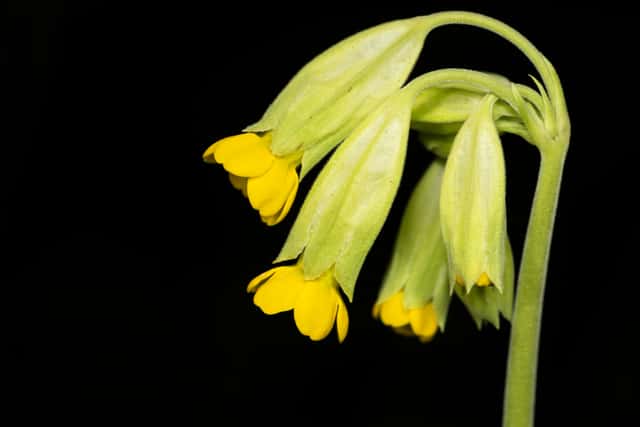
Primrose (Primula) is a easy-care plant from the Primulaceae family. Primula is a genus of approximately 500 species of flowering perennial plants in the family Primulaceae. Known for their early spring blooms, they form rosettes of basal leaves and produce showy flowers in shades of yellow, red, purple, white, and pink. They thrive in cool, partially shaded environm...
Primrose grows up to 30cm, spread of 30cm, watering every 4 days, 5°C – 18°C, 40–70% humidity. It is suitable for indoor environments and not safe for pets.
Unlike many tropical plants, Primrose tolerates watering mistakes. Best for beginners. Without precautions, ingestion can cause irritation in pets. Keep out of reach of cats and dogs. Without adequate drainage, root rot can develop within 8 days.
How to Care for Primrose?
TLDR: Primrose needs Partial shade, watering every 4 days, and temperatures between 5-18°C with 40-70% humidity.
How Often Should You Water Primrose?
Water every 3-5 days, keeping soil slightly moist. Avoid waterlogging — primroses are highly susceptible to root rot. Reduce watering during cool, rainy periods.
How Much Light Does Primrose Need?
Place in bright indirect light or partial shade. Avoid intense direct sun, especially in summer. A north or east-facing window is ideal for indoor cultivation.
What Is the Best Soil for Primrose?
Use well-draining, rich, organic soil. Mix potting soil with perlite or coarse sand for good drainage. Optimal pH between 6.0 and 7.0.
What Pot Should You Use for Primrose?
Terra cotta or ceramic pots with drainage holes are ideal. Avoid dark-colored pots that absorb excessive heat.
Care Schedule
Fertilize
Every 180 days
Repot
Every 730 days
What Is Primrose and Where Does It Come From?
Primula is a genus of approximately 500 species of flowering perennial plants in the family Primulaceae. Known for their early spring blooms, they form rosettes of basal leaves and produce showy flowers in shades of yellow, red, purple, white, and pink. They thrive in cool, partially shaded environments and are beloved in cottage gardens and indoor displays.
How to Propagate Primrose?
Division
Divide in early spring or autumn for best results. Keep soil moist but not waterlogged.
- 1 Carefully remove the plant from its pot
- 2 Separate the clumps by hand or with a clean knife
- 3 Replant each division in fresh, moist soil
- 4 Water lightly and keep in a cool, shaded location
Materials needed:
Seed sowing
Germination is temperature-dependent — prefer cool conditions between 13-18°C. Avoid excess heat.
- 1 Sow seeds in light potting mix in late winter
- 2 Keep in a cool location (15°C / 59°F) with good light
- 3 Transplant seedlings when they have 2-3 true leaves
Materials needed:
How Big Does Primrose Grow?
TLDR: Primrose can reach up to 30cm tall with Medium growth rate.
Max height
30cm
Spread
30cm
Growth rate
Medium
Foliage
Semi-evergreen
Warning: Toxic Plant
This plant can be toxic if ingested. Keep out of reach of:
Plant Uses
Ornamental
Great for decoration
Ground Cover
Soil coverage
Is your plant showing symptoms?
Click on the symptom to discover possible causes:
What Diseases Commonly Affect Primrose?
TLDR: Primrose is susceptible to 11 known diseases. Monitor regularly for early detection.
Root Rot
Root rot is a serious fungal disease that affects the root system of plants, causing them to decay and die. It is primarily caused by overwatering, poor drainage, or soil-borne fungi such as Pythium, Phytophthora, Rhizoctonia, and Fusarium. The disease thrives in waterlogged conditions where roots are deprived of oxygen, making them susceptible to fungal infection.
Crown Rot
Crown rot is a serious fungal disease that attacks the crown (base) of the plant where the stem meets the soil. It is caused by various fungal pathogens including Phytophthora, Fusarium, and Rhizoctonia. The disease thrives in waterlogged conditions and can quickly spread to kill the entire plant if not addressed promptly.
Powdery Mildew
Powdery mildew is a common fungal disease caused by various fungi species including Erysiphe, Podosphaera, Oïdium, and Leveillula. It affects over 10,000 plant species worldwide. The disease thrives in warm, dry climates with high humidity and appears as a distinctive white powdery coating on plant surfaces.
Gray Mold (Botrytis Blight)
Gray mold, caused by the fungus Botrytis cinerea, is one of the most common fungal diseases in plants. It affects over 200 plant species, including ornamentals, vegetables, fruits, and houseplants. The disease thrives in cool, humid conditions with poor air circulation, causing grayish spots and soft rot on infected tissues.
Meaning & Symbolism
Primroses symbolize new beginnings and the arrival of spring. The name derives from the Latin "primus" (first), as they are among the earliest flowers of the year.
Fun Facts
The Primula genus contains approximately 500 species found mainly in the Northern Hemisphere
The name comes from the Latin primus (first), as it is one of the earliest flowers of spring
Some Primula species contain primin, a compound that can cause contact dermatitis in sensitive individuals
Primroses were widely celebrated in Romantic poetry as symbols of spring and new beginnings
Frequently asked questions
How often should I water my Primrose?
Is Primrose toxic to cats and dogs?
Can Primrose grow indoors?
Why are my Primrose leaves wilting?
When does Primrose bloom?
Compare with similar plants
| Attribute | Difficulty | Light | Watering | Pet Safe |
|---|---|---|---|---|
| Field Maple | Easy | Bright indirect | 14d | ✓ |
| Silver Birch | Easy | Direct sun | 14d | ✓ |
| Cushion Bush | Easy | Direct sun | 14d | ✓ |
| Peruvian peppertree | Easy | Direct sun | 14d | ⚠️ |