Rubiaceae
Wild Coffee (Psychotria): How to Grow and Care
Psychotria
A shade-tolerant, moisture-loving plant that thrives in conditions mimicking its natural tropical forest understory habitat. Water when the top 2–3 cm of soil dry out, maintain relative humidity above 50%, and use well-draining, slightly acidic, organically rich soil.
Every 7 days
Partial shade
15° - 30°C
50% - 85%
Categories
What is Wild Coffee?
Wild Coffee (Psychotria) is a medium-care plant from the Rubiaceae family. Psychotria is one of the largest genera of flowering plants in the world, belonging to the family Rubiaceae (the coffee family), with over 1,600 species spread across tropical and subtropical regions on every continent. Commonly known as wild coffee, these plants are evergreen shrubs or small unders...
Wild Coffee grows up to 2.4m, spread of 152cm, watering every 7 days, 15°C – 30°C, 50–85% humidity. It is suitable for indoor environments and not safe for pets.
Without precautions, ingestion can cause irritation in pets. Keep out of reach of cats and dogs. Without adequate drainage, root rot can develop within 14 days.
How to Care for Wild Coffee?
TLDR: Wild Coffee needs Partial shade, watering every 7 days, and temperatures between 15-30°C with 50-85% humidity.
How Often Should You Water Wild Coffee?
Water deeply when the top 2–3 cm of soil feel dry. Reduce watering frequency in winter. Avoid waterlogging at all costs — overwatering is the leading cause of root rot and plant decline in this genus.
How Much Light Does Wild Coffee Need?
Prefers partial shade to filtered sunlight. Can tolerate full shade but produces more flowers and fruits with a few hours of bright indirect light daily. Avoid intense direct sun which may scorch the glossy leaves.
What Is the Best Soil for Wild Coffee?
Use rich, well-draining soil with organic matter, slightly acidic (pH 5.5–6.5). A mix of potting soil, compost, and perlite works well. Mulch around the base to retain moisture and regulate root temperature.
Care Schedule
Fertilize
Every 60 days
Misting
Every 7 days
Rotate
Every 7 days
Repot
Every 730 days
What Is Wild Coffee and Where Does It Come From?
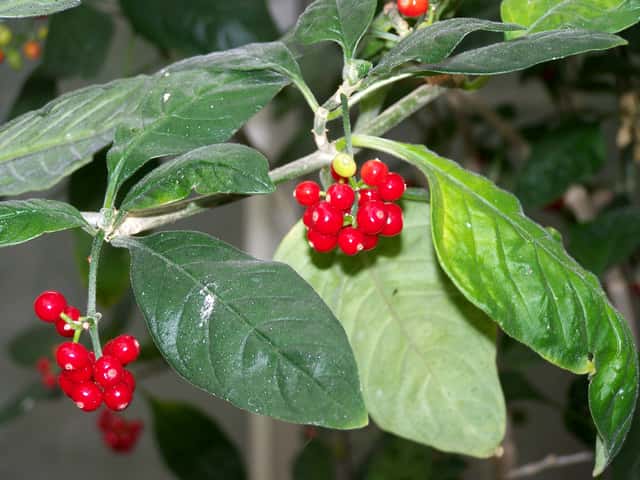
Psychotria is one of the largest genera of flowering plants in the world, belonging to the family Rubiaceae (the coffee family), with over 1,600 species spread across tropical and subtropical regions on every continent. Commonly known as wild coffee, these plants are evergreen shrubs or small understory trees featuring opposite, glossy leaves, small tubular white-to-greenish flowers, and fleshy drupes that ripen to bright red or deep purple. The genus is ecologically vital — providing nectar for pollinators and fruit for birds — and ethnobotanically significant, with numerous species used in traditional medicine across the Americas, Africa, and Asia. Certain species, most notably Psychotria viridis, produce the alkaloid dimethyltryptamine (DMT), making the genus uniquely important in ethnopharmacology and indigenous spiritual practices.
How Big Does Wild Coffee Grow?
TLDR: Wild Coffee can reach up to 2.4m tall with Medium growth rate.
Max height
2.4m
Spread
1.5m
Growth rate
Medium
Foliage
Evergreen
Warning: Toxic Plant
This plant can be toxic if ingested. Keep out of reach of:
Plant Uses
Ornamental
Great for decoration
Medicinal
Medicinal properties
Medicinal Uses
- Traditional treatment for dysentery, fever, colds, and stomach ailments
- Anti-inflammatory and antifungal uses in folk medicine across the Americas and Africa
- Ritualistic and shamanic use via DMT-containing species in Amazonian traditions
Culinary Uses
- Seeds can be roasted as a caffeine-free coffee substitute (use with caution)
- Berries of some species are edible though bland
Is your plant showing symptoms?
Click on the symptom to discover possible causes:
What Diseases Commonly Affect Wild Coffee?
TLDR: Wild Coffee is susceptible to 8 known diseases. Monitor regularly for early detection.
Root Rot
Root rot is a serious fungal disease that affects the root system of plants, causing them to decay and die. It is primarily caused by overwatering, poor drainage, or soil-borne fungi such as Pythium, Phytophthora, Rhizoctonia, and Fusarium. The disease thrives in waterlogged conditions where roots are deprived of oxygen, making them susceptible to fungal infection.
Powdery Mildew
Powdery mildew is a common fungal disease caused by various fungi species including Erysiphe, Podosphaera, Oïdium, and Leveillula. It affects over 10,000 plant species worldwide. The disease thrives in warm, dry climates with high humidity and appears as a distinctive white powdery coating on plant surfaces.
Leaf Spot
Leaf spot is a common fungal disease caused by various pathogens including Alternaria, Ascochyta, Colletotrichum, Septoria, and Venturia. It primarily affects leaves, causing discolored spots that can lead to premature leaf drop if left untreated.
Aphids
Aphids are small, soft-bodied, pear-shaped insects (1/16 to 1/8 inch long) that feed by sucking nutrient-rich sap from plants. They reproduce rapidly and can quickly weaken plants, causing distorted growth and transmitting plant viruses. Aphids come in various colors including green, black, red, yellow, brown, and gray. They secrete honeydew, a sticky substance that attracts ants and encourages sooty mold growth.
Meaning & Symbolism
In various indigenous cultures, Psychotria species are revered as sacred plants connecting the physical and spiritual worlds, particularly in Amazonian and Caribbean traditions.
Fun Facts
With over 1,600 species, Psychotria is one of the largest flowering plant genera on Earth
Some Psychotria species are key ingredients in ayahuasca, the sacred brew used by Amazonian indigenous peoples
The bright red berries of wild coffee species are an important food source for birds and rare butterflies, including the endangered Atala butterfly
Frequently asked questions
Is wild coffee toxic to pets?
Can I grow Psychotria indoors?
How often should I fertilize wild coffee?
Compare with similar plants
| Attribute | Difficulty | Light | Watering | Pet Safe |
|---|---|---|---|---|
| Dark Fieldcap | Medium | Low light | 2d | ⚠️ |
| Azalea | Medium | Partial shade | 3d | ⚠️ |
| Bougainvillea | Medium | Direct sun | 7d | ⚠️ |
| Wild Lettuce | Medium | Direct sun | 7d | ⚠️ |



