Saxifragaceae
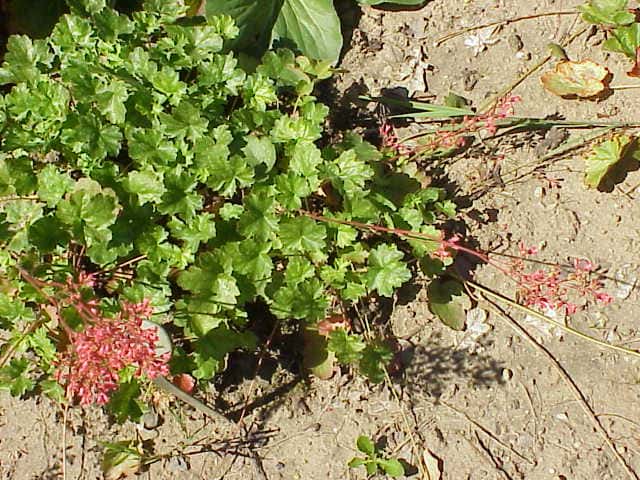
Coral Bells (Heuchera)
Heuchera
Grow in partial shade with well-draining, humus-rich soil. Water regularly but allow the soil surface to dry slightly between waterings; avoid wetting the crown. Fertilise lightly in spring with a balanced, slow-release feed. Divide clumps every 3–4 years to rejuvenate vigour.
Every 8 days
Partial shade
-20° - 35°C
40% - 65%
Categories
What is Coral Bells?
Coral Bells (Heuchera) is a easy-care plant from the Saxifragaceae family. Heuchera, commonly known as coral bells or alumroot, is a genus of ornamental perennial plants native to North America. Celebrated for their extraordinary diversity of foliage colours — ranging from deep burgundy and bronze to lime green and silver — they produce delicate, airy wands of tiny bell-sh...
Coral Bells grows up to 60cm, spread of 60cm, watering every 8 days, -20°C – 35°C, 40–65% humidity. It is not suitable for indoor environments and not safe for pets.
Unlike many tropical plants, Coral Bells tolerates watering mistakes. Best for beginners. Without precautions, ingestion can cause irritation in pets. Keep out of reach of cats and dogs.
How to Care for Coral Bells?
TLDR: Coral Bells needs Partial shade, watering every 8 days, and temperatures between -20-35°C with 40-65% humidity.
How Often Should You Water Coral Bells?
Water at the base every 7–10 days, keeping the soil consistently moist but never waterlogged. Soggy crowns cause the most common problem — crown rot — so ensure excellent drainage.
How Much Light Does Coral Bells Need?
Prefers partial shade to dappled sunlight (2,000–20,000 lux). Some cultivars with deeper foliage colours tolerate more sun if soil moisture is maintained; full deep shade reduces flowering.
What Is the Best Soil for Coral Bells?
Use a well-draining mix rich in organic matter — a blend of loam, compost, and grit works well. Slightly acidic to neutral pH (5.5–7.0) is ideal. Avoid heavy clay that retains moisture around the crown.
What Pot Should You Use for Coral Bells?
A terracotta or ceramic pot with drainage holes suits Heuchera well, keeping moisture balanced and roots cool. Ensure the container is at least 25 cm wide.
Care Schedule
Fertilize
Every 30 days
Repot
Every 730 days
What Is Coral Bells and Where Does It Come From?
Heuchera, commonly known as coral bells or alumroot, is a genus of ornamental perennial plants native to North America. Celebrated for their extraordinary diversity of foliage colours — ranging from deep burgundy and bronze to lime green and silver — they produce delicate, airy wands of tiny bell-shaped flowers in spring and summer. Highly adaptable, Heuchera thrives in woodland gardens, borders, and containers, making it one of the most versatile shade perennials available to gardeners.
How Big Does Coral Bells Grow?
TLDR: Coral Bells can reach up to 60cm tall with Medium growth rate.
Max height
60cm
Spread
60cm
Growth rate
Medium
Foliage
Semi-evergreen
Warning: Toxic Plant
This plant can be toxic if ingested. Keep out of reach of:
Plant Uses
Ornamental
Great for decoration
Ground Cover
Soil coverage
Is your plant showing symptoms?
Click on the symptom to discover possible causes:
What Diseases Commonly Affect Coral Bells?
TLDR: Coral Bells is susceptible to 8 known diseases. Monitor regularly for early detection.
Root Rot
Root rot is a serious fungal disease that affects the root system of plants, causing them to decay and die. It is primarily caused by overwatering, poor drainage, or soil-borne fungi such as Pythium, Phytophthora, Rhizoctonia, and Fusarium. The disease thrives in waterlogged conditions where roots are deprived of oxygen, making them susceptible to fungal infection.
Crown Rot
Crown rot is a serious fungal disease that attacks the crown (base) of the plant where the stem meets the soil. It is caused by various fungal pathogens including Phytophthora, Fusarium, and Rhizoctonia. The disease thrives in waterlogged conditions and can quickly spread to kill the entire plant if not addressed promptly.
Powdery Mildew
Powdery mildew is a common fungal disease caused by various fungi species including Erysiphe, Podosphaera, Oïdium, and Leveillula. It affects over 10,000 plant species worldwide. The disease thrives in warm, dry climates with high humidity and appears as a distinctive white powdery coating on plant surfaces.
Botrytis
Meaning & Symbolism
Heuchera symbolises endurance and graceful beauty, evoking the resilience of woodland life through seasonal change.
Fun Facts
Heuchera has over 1,000 named cultivars, offering an extraordinary palette of foliage from near-black to golden yellow.
The name "alumroot" comes from the astringent, alum-like properties of its roots, which were used by Indigenous peoples of North America medicinally.
Heuchera flowers are a magnet for hummingbirds and native bees, making them excellent wildlife garden plants.
Frequently asked questions
How often should I water Heuchera?
Does Heuchera grow in full shade?
How do I divide Heuchera?
Is Heuchera toxic to pets?
Compare with similar plants
| Attribute | Difficulty | Light | Watering | Pet Safe |
|---|---|---|---|---|
| Field Maple | Easy | Bright indirect | 14d | ✓ |
| Silver Birch | Easy | Direct sun | 14d | ✓ |
| Cushion Bush | Easy | Direct sun | 14d | ✓ |
| Peruvian peppertree | Easy | Direct sun | 14d | ⚠️ |





