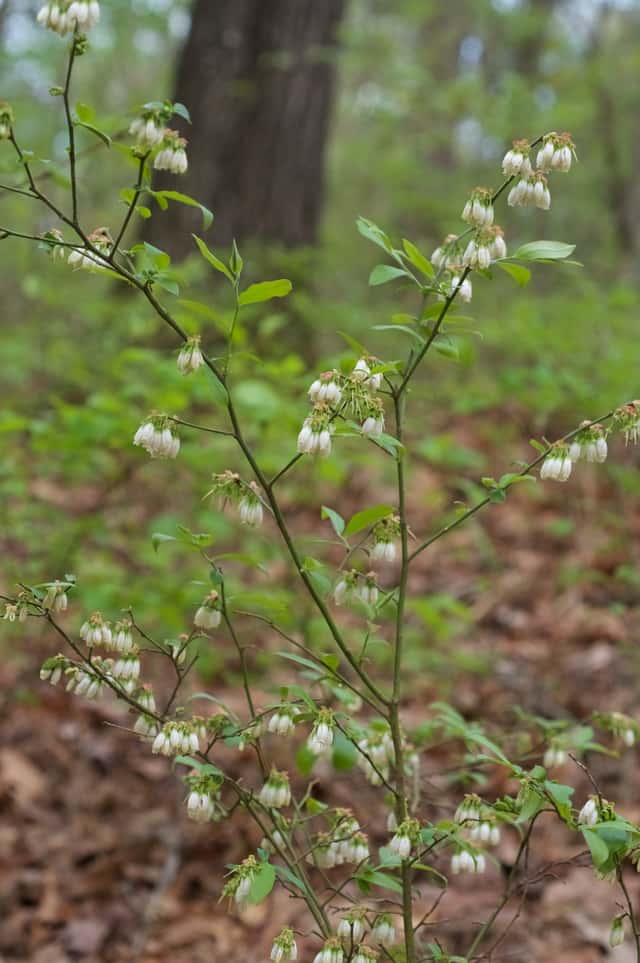
Ericaceae
Rabbiteye Blueberry (Vaccinium ashei)
Vaccinium ashei
Plant in acidic (pH 4.5–6.0), sandy, well-drained soil in full sun. Water deeply every 3–5 days during establishment; drought-tolerant once mature. Fertilize every 90 days with an acidifying fertilizer. Prune annually in winter to encourage new productive canes.
Every 4 days
Bright indirect
-10° - 40°C
40% - 70%
Categories
What is Rabbiteye Blueberry?
Rabbiteye Blueberry (Vaccinium ashei) is a medium-care plant from the Ericaceae family. The Rabbiteye Blueberry (Vaccinium ashei) is a deciduous shrub native to the southeastern United States, prized for its exceptional heat and drought tolerance. It produces abundant blue berries in summer and stunning fall foliage in shades of orange and scarlet.
Rabbiteye Blueberry grows up to 4.5m, spread of 300cm, watering every 4 days, -10°C – 40°C, 40–70% humidity. It is not suitable for indoor environments and safe for pets.
Unlike many popular species, Rabbiteye Blueberry is safe to keep around pets.
How to Care for Rabbiteye Blueberry?
TLDR: Rabbiteye Blueberry needs Bright indirect, watering every 4 days, and temperatures between -10-40°C with 40-70% humidity.
How Often Should You Water Rabbiteye Blueberry?
Water deeply every 3–5 days during establishment. Once established, the plant tolerates drought well. Avoid waterlogging — deep, infrequent watering is better. Apply mulch to retain soil moisture.
How Much Light Does Rabbiteye Blueberry Need?
Requires full sun (6–8 hours daily) for best fruit production. Tolerates partial shade but yield will be reduced.
What Is the Best Soil for Rabbiteye Blueberry?
Acidic soil is essential: pH 4.5–6.0. Use sandy loam amended with peat moss if needed. Ensure excellent drainage to prevent root rot.
What Pot Should You Use for Rabbiteye Blueberry?
Large container (min 60 L) with generous drainage holes; ceramic or food-safe polyethylene preferred.
Care Schedule
Fertilize
Every 90 days
What Is Rabbiteye Blueberry and Where Does It Come From?
The Rabbiteye Blueberry (Vaccinium ashei) is a deciduous shrub native to the southeastern United States, prized for its exceptional heat and drought tolerance. It produces abundant blue berries in summer and stunning fall foliage in shades of orange and scarlet.
How to Propagate Rabbiteye Blueberry?
Hardwood Cutting
Use well-draining acidic medium with peat. Keep slightly moist and out of direct sun until rooted.
- 1 Take semi-hardwood cuttings 10–15 cm long in early spring
- 2 Remove lower leaves and apply rooting hormone
- 3 Plant in acidic, moist medium and keep in partial shade
- 4 Transplant once roots are well established
Materials needed:
Seed Propagation
Seed propagation is slow and variable. Cuttings are preferred to preserve cultivar traits.
- 1 Cold-stratify seeds for 4–6 weeks
- 2 Sow in lightly moist acidic medium
- 3 Maintain temperature 18–22°C
- 4 Transplant seedlings once 10 cm tall
Materials needed:
How Big Does Rabbiteye Blueberry Grow?
TLDR: Rabbiteye Blueberry can reach up to 4.5m tall with Medium growth rate.
Max height
4.5m
Spread
3.0m
Growth rate
Medium
Foliage
Deciduous
Plant Uses
Ornamental
Great for decoration
Edible
Can be consumed
Medicinal Uses
- Rich in antioxidants, used in herbal supplements for eye health and circulation
Culinary Uses
- Fresh eating, jams, preserves, pies, smoothies, and ice cream
Is your plant showing symptoms?
Click on the symptom to discover possible causes:
What Diseases Commonly Affect Rabbiteye Blueberry?
TLDR: Rabbiteye Blueberry is susceptible to 4 known diseases. Monitor regularly for early detection.
Phytophthora Root Rot
Disease caused by fungus-like organisms (oomycetes) that live in soil and can survive for years. It affects roots, stem, and crown of plants, being especially severe in waterlogged or poorly drained soils. It is the second most common cause of root rot in trees and shrubs.
Powdery Mildew
Powdery mildew is a common fungal disease caused by various fungi species including Erysiphe, Podosphaera, Oïdium, and Leveillula. It affects over 10,000 plant species worldwide. The disease thrives in warm, dry climates with high humidity and appears as a distinctive white powdery coating on plant surfaces.
Gray Mold (Botrytis Blight)
Gray mold, caused by the fungus Botrytis cinerea, is one of the most common fungal diseases in plants. It affects over 200 plant species, including ornamentals, vegetables, fruits, and houseplants. The disease thrives in cool, humid conditions with poor air circulation, causing grayish spots and soft rot on infected tissues.
Canker
Canker is a disease caused by various fungi and bacteria that create necrotic, sunken areas on bark of branches, stems, and trunks. Pathogens enter through wounds and natural openings, especially when plants are stressed. Canker can gradually weaken or kill branches by disrupting water and nutrient flow.
Fun Facts
A mature plant can produce 8–20 pounds of fruit per year
Fall foliage turns brilliant orange and scarlet for up to 4 weeks
More heat and drought tolerant than highbush or lowbush blueberries
Berries are packed with antioxidants, vitamins C and K
Frequently asked questions
What soil pH does Rabbiteye Blueberry need?
Does Rabbiteye Blueberry need a pollinator?
How often should I water Rabbiteye Blueberry?
When does Rabbiteye Blueberry fruit?
Is Rabbiteye Blueberry toxic to pets?
Compare with similar plants
| Attribute | Difficulty | Light | Watering | Pet Safe |
|---|---|---|---|---|
| Dark Fieldcap | Medium | Low light | 2d | ⚠️ |
| Azalea | Medium | Partial shade | 3d | ⚠️ |
| Bougainvillea | Medium | Direct sun | 7d | ⚠️ |
| Wild Lettuce | Medium | Direct sun | 7d | ⚠️ |



