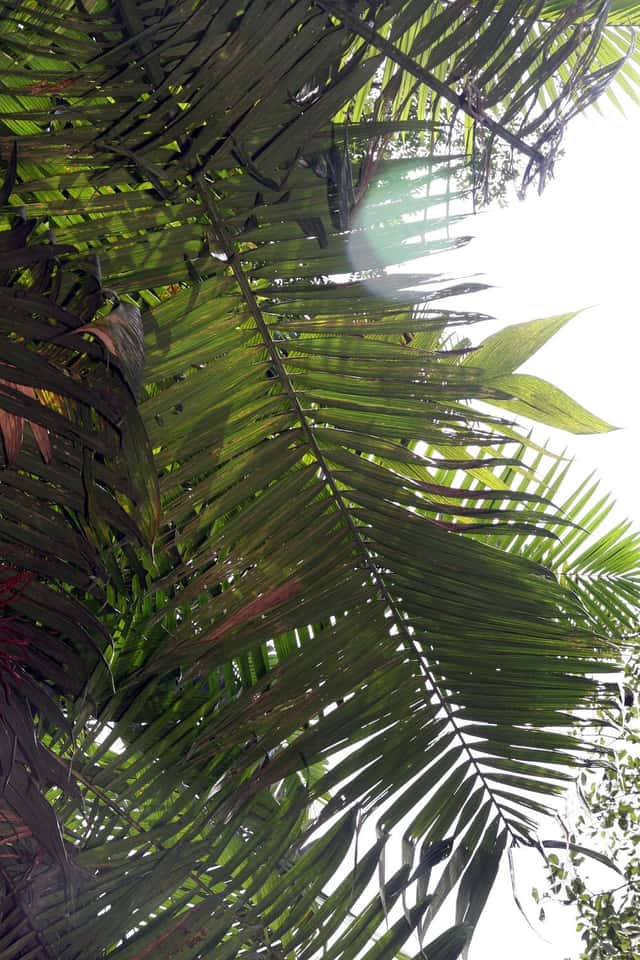
Moraceae
Breadnut – The Sacred Maya Food Tree
Brosimum alicastrum
Breadnut is a low-maintenance, hardy tree once established. It thrives in full sun to partial shade in tropical and subtropical climates. It is exceptionally drought-tolerant after the first year or two. Best suited for outdoor cultivation in USDA zones 10a–12b. Fertilize every 90 days during the growing season to support vigorous growth.
Every 7 days
Direct sun
12° - 35°C
60% - 90%
Categories
What is Breadnut?
Breadnut (Brosimum alicastrum) is a medium-care plant from the Moraceae family. Breadnut (Brosimum alicastrum) is a large, evergreen tropical tree in the family Moraceae, native to Central America, southern Mexico, the Caribbean, and northern South America. It can reach up to 45 metres tall with a straight trunk and wide, globose crown. One of the most ecologically and cultural...
Breadnut grows up to 45.0m, spread of 2500cm, watering every 7 days, 12°C – 35°C, 60–90% humidity. It is not suitable for indoor environments and safe for pets.
Unlike many popular species, Breadnut is safe to keep around pets.
How to Care for Breadnut?
TLDR: Breadnut needs Direct sun, watering every 7 days, and temperatures between 12-35°C with 60-90% humidity.
How Often Should You Water Breadnut?
Water every 7 days during establishment. Once established (after 1–2 years), Breadnut is highly drought-tolerant and can rely on natural rainfall. Avoid waterlogged conditions as root rot may develop.
How Much Light Does Breadnut Need?
Provide full sun to light shade. Plant in a location with ample sunlight exposure for best growth and fruit production. Young plants tolerate partial shade.
What Is the Best Soil for Breadnut?
Prefers fertile, humus-rich, well-draining loamy soil. Highly tolerant of shallow, calcareous soils. Optimal pH range is 6.0–8.0. Avoid waterlogged or compacted soils.
What Pot Should You Use for Breadnut?
Large terracotta pot or direct ground planting. Due to its large stature reaching up to 45 m, container growing is only practical for young seedlings. Permanent planting should be in open ground in a tropical or subtropical climate.
Care Schedule
Fertilize
Every 90 days
What Is Breadnut and Where Does It Come From?
Breadnut (Brosimum alicastrum) is a large, evergreen tropical tree in the family Moraceae, native to Central America, southern Mexico, the Caribbean, and northern South America. It can reach up to 45 metres tall with a straight trunk and wide, globose crown. One of the most ecologically and culturally important trees of Mesoamerica, it was a dietary staple for the ancient Maya civilization. Its highly nutritious seeds, leaves, and latex have sustained communities for millennia.
How to Propagate Breadnut?
Seed propagation
Use fresh seeds only — germination rate drops significantly within days of harvest. Keep substrate moist but not waterlogged.
- 1 Collect freshly fallen ripe seeds
- 2 Sow immediately as seeds lose viability quickly
- 3 Plant 2-3 cm deep in moist fertile substrate
- 4 Keep in a warm humid location until germination
- 5 Transplant seedlings when they reach 50 cm tall
Materials needed:
Stem cutting
Longer cuttings root more reliably for this species.
- 1 Cut green stems 1-2 metres in length
- 2 Allow to dry for 24 hours
- 3 Plant in moist fertile soil
- 4 Maintain regular irrigation until rooting
Materials needed:
How Big Does Breadnut Grow?
TLDR: Breadnut can reach up to 45.0m tall with Medium growth rate.
Max height
45.0m
Spread
25.0m
Growth rate
Medium
Foliage
Evergreen
Plant Uses
Edible
Can be consumed
Medicinal
Medicinal properties
Ornamental
Great for decoration
Medicinal Uses
- Leaf and branch infusions traditionally used to treat asthma and bronchial infections
- Latex warmed in water used for dry coughs and sore throats
- Latex applied topically to oral and body sores
- Seeds believed to increase milk flow in nursing mothers
Culinary Uses
- Nutritious seeds eaten raw or cooked with cacao-like flavour when roasted
- Roasted seeds used as a coffee substitute
- Ground seeds made into flour for tortillas
- Sweet fruit pulp eaten fresh
- Latex used as a milk substitute diluted in water
Is your plant showing symptoms?
Click on the symptom to discover possible causes:
What Diseases Commonly Affect Breadnut?
TLDR: Breadnut is susceptible to 5 known diseases. Monitor regularly for early detection.
Root Rot
Root rot is a serious fungal disease that affects the root system of plants, causing them to decay and die. It is primarily caused by overwatering, poor drainage, or soil-borne fungi such as Pythium, Phytophthora, Rhizoctonia, and Fusarium. The disease thrives in waterlogged conditions where roots are deprived of oxygen, making them susceptible to fungal infection.
Overwatering
Overwatering occurs when plants receive too much water, depriving roots of oxygen and causing root rot. This environmental stress is one of the most common causes of houseplant death, as waterlogged soil prevents roots from breathing and functioning properly.
Anthracnose
Anthracnose is a fungal disease caused by fungi in the genus Colletotrichum that affects many plants, including vegetables, fruits, and trees. The disease thrives in cool, wet conditions, causing dark, sunken lesions on leaves, stems, flowers, and fruits.
Scale Insects
Scale insects are small sap-sucking pests that appear as brown, shell-like bumps on plant stems and leaves. There are over 25 species, divided into armored (hard) and unarmored (soft) scales. They feed by piercing plant tissue and extracting sap, which weakens the plant and can lead to yellowing, stunted growth, and even death if left untreated. They also excrete honeydew, which attracts ants and promotes sooty mold growth.
Meaning & Symbolism
The Maya revered the Breadnut tree as a symbol of resilience and abundance, storing its seeds as a sacred emergency food reserve to sustain communities through droughts and crop failures.
Fun Facts
Breadnut seeds are exceptionally nutritious, containing more protein, calcium, and potassium than corn — a dietary staple for the ancient Maya
The Maya stored large quantities of Breadnut seeds as a famine food reserve during droughts and crop failures
A single mature tree can yield up to 200 kg of seeds per harvest with two to three harvests per year
The milky latex of Breadnut was traditionally mixed with chicle to make chewing gum by Mesoamerican peoples
Frequently asked questions
How often should I water Breadnut?
Is Breadnut toxic to pets or humans?
Can I grow Breadnut in a container?
When does Breadnut produce fruit?
What soil is best for Breadnut?
Compare with similar plants
| Attribute | Difficulty | Light | Watering | Pet Safe |
|---|---|---|---|---|
| Dark Fieldcap | Medium | Low light | 2d | ⚠️ |
| Azalea | Medium | Partial shade | 3d | ⚠️ |
| Bougainvillea | Medium | Direct sun | 7d | ⚠️ |
| Wild Lettuce | Medium | Direct sun | 7d | ⚠️ |



