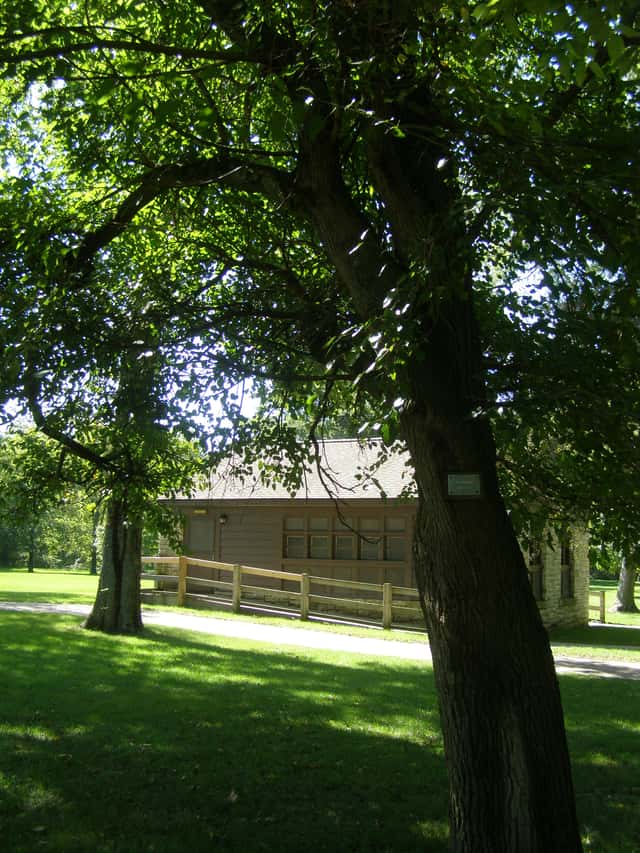
Moraceae
Red Mulberry (Morus rubra)
Morus rubra
Plant red mulberry in full sun to part shade with rich, well-drained soil. Water regularly while young; established trees are quite drought tolerant. Prune only in late fall or winter to avoid sap bleeding.
Every 7 days
Bright indirect
15° - 32°C
40% - 60%
Categories
What is Red Mulberry?
Red Mulberry (Morus rubra) is a easy-care plant from the Moraceae family. Morus rubra, the red mulberry, is a deciduous tree native to eastern North America, prized for its heart-shaped leaves and sweet, blackberry-like fruit that ripens from red to deep purple in summer.
Red Mulberry grows up to 18.3m, spread of 1220cm, watering every 7 days, 15°C – 32°C, 40–60% humidity. It is not suitable for indoor environments and safe for pets.
Unlike many tropical plants, Red Mulberry tolerates watering mistakes. Best for beginners. Unlike many popular species, Red Mulberry is safe to keep around pets.
How to Care for Red Mulberry?
TLDR: Red Mulberry needs Bright indirect, watering every 7 days, and temperatures between 15-32°C with 40-60% humidity.
How Often Should You Water Red Mulberry?
Water young trees once or twice weekly until established; mature red mulberries tolerate short dry spells but grow best with about an inch of water per week.
How Much Light Does Red Mulberry Need?
Give it at least 6 hours of direct sun a day for the best fruit production, though it will also tolerate partial shade.
What Is the Best Soil for Red Mulberry?
Use rich, moist, well-drained soil high in organic matter; avoid heavy, poorly drained sites.
What Pot Should You Use for Red Mulberry?
Not typically grown in containers; red mulberry is best planted directly in the ground with ample room for its mature spread.
What Is Red Mulberry and Where Does It Come From?
Morus rubra, the red mulberry, is a deciduous tree native to eastern North America, prized for its heart-shaped leaves and sweet, blackberry-like fruit that ripens from red to deep purple in summer.
How to Propagate Red Mulberry?
Seed propagation
Fresh seed germinates far better than stored seed, and stratification is essential to break dormancy.
- 1 Collect fully ripe fruit and separate the seeds from the pulp by rinsing in water
- 2 Cold-stratify seeds in moist sand or peat in the refrigerator for 2-3 months
- 3 Sow stratified seeds in a well-draining seed mix and keep at 25-30C
- 4 Keep the soil consistently moist until germination
Materials needed:
Stem cutting propagation
Maintaining consistent warmth and humidity greatly improves rooting success.
- 1 Take a semi-hardwood cutting with at least two nodes in late spring or early summer
- 2 Dip the cut end in rooting hormone
- 3 Insert into a well-draining potting mix
- 4 Keep humidity high and soil temperature around 21-27C until roots form
Materials needed:
How Big Does Red Mulberry Grow?
TLDR: Red Mulberry can reach up to 18.3m tall with Fast growth rate.
Max height
18.3m
Spread
12.2m
Growth rate
Fast
Foliage
Deciduous
Warning: Toxic Plant
This plant can be toxic if ingested. Keep out of reach of:
Plant Uses
Edible
Can be consumed
Ornamental
Great for decoration
Culinary Uses
- Fresh eating
- Pies and jams
- Jellies and syrups
Is your plant showing symptoms?
Click on the symptom to discover possible causes:
What Diseases Commonly Affect Red Mulberry?
TLDR: Red Mulberry is susceptible to 10 known diseases. Monitor regularly for early detection.
Root Rot
Root rot is a serious fungal disease that affects the root system of plants, causing them to decay and die. It is primarily caused by overwatering, poor drainage, or soil-borne fungi such as Pythium, Phytophthora, Rhizoctonia, and Fusarium. The disease thrives in waterlogged conditions where roots are deprived of oxygen, making them susceptible to fungal infection.
Powdery Mildew
Powdery mildew is a common fungal disease caused by various fungi species including Erysiphe, Podosphaera, Oïdium, and Leveillula. It affects over 10,000 plant species worldwide. The disease thrives in warm, dry climates with high humidity and appears as a distinctive white powdery coating on plant surfaces.
Bacterial Blight
Bacterial blight is a serious plant disease caused by pathogenic bacteria that enters plants through wounds or natural openings. It spreads rapidly in warm, wet conditions and can cause significant damage to leaves, stems, and flowers. The bacteria are transmitted by water splash, contaminated tools, and insects.
Canker
Canker is a disease caused by various fungi and bacteria that create necrotic, sunken areas on bark of branches, stems, and trunks. Pathogens enter through wounds and natural openings, especially when plants are stressed. Canker can gradually weaken or kill branches by disrupting water and nutrient flow.
Meaning & Symbolism
Long associated with abundance and resilience, the red mulberry's fast growth and generous fruiting have made it a symbol of nourishment in eastern North American folklore.
Fun Facts
Red mulberry fruit looks almost identical to a blackberry but comes from an entirely different plant family.
The tree is dioecious, meaning individual trees are typically either male or female.
Only fully ripe mulberries should be eaten—unripe fruit and the tree's sap are mildly toxic.
Red mulberry can grow rapidly, sometimes reaching over 15 meters tall in the wild.
Frequently asked questions
Is red mulberry fruit safe to eat?
How much sun does Morus rubra need?
How often should I water a red mulberry tree?
When should I prune red mulberry?
What pests and diseases affect red mulberry?
Compare with similar plants
| Attribute | Difficulty | Light | Watering | Pet Safe |
|---|---|---|---|---|
| Field Maple | Easy | Bright indirect | 14d | ✓ |
| Silver Birch | Easy | Direct sun | 14d | ✓ |
| Cushion Bush | Easy | Direct sun | 14d | ✓ |
| Peruvian peppertree | Easy | Direct sun | 14d | ⚠️ |





