Oleaceae
Green Ash (Fraxinus pennsylvanica)
Fraxinus pennsylvanica
Green ash is a tough, adaptable tree that requires minimal care once established. Plant in full sun with well-drained to moist soil. Water deeply during the first two growing seasons; mature trees are largely drought-tolerant. Fertilize annually in early spring. Prune in late winter to remove dead or crossing branches. Monitor closely for signs of emerald ash borer infestation.
Every 14 days
Direct sun
-40° - 38°C
30% - 70%
Categories
What is Green Ash?
Green Ash (Fraxinus pennsylvanica) is a medium-care plant from the Oleaceae family. Green ash (Fraxinus pennsylvanica) is a fast-growing deciduous tree native to eastern North America. It is one of the most widely distributed ash species on the continent, thriving from the Atlantic coast to the Great Plains. Known for its adaptability to a wide range of soil conditions — including...
Green Ash grows up to 21.0m, spread of 1370cm, watering every 14 days, -40°C – 38°C, 30–70% humidity. It is not suitable for indoor environments and safe for pets.
Unlike many popular species, Green Ash is safe to keep around pets.
How to Care for Green Ash?
TLDR: Green Ash needs Direct sun, watering every 14 days, and temperatures between -40-38°C with 30-70% humidity.
How Often Should You Water Green Ash?
Water young trees deeply once or twice per week for the first two seasons. Once established, green ash is quite drought-tolerant and typically only needs supplemental watering during prolonged dry spells.
How Much Light Does Green Ash Need?
Green ash thrives in full sun — at least 6 hours of direct sunlight per day. It can tolerate light shade but will grow more slowly and develop a less robust form.
What Is the Best Soil for Green Ash?
Adapts well to clay, loam, or sandy soils. Prefers moist, well-drained conditions but tolerates occasional flooding and moderately dry soils. Slightly acidic to slightly alkaline pH (5.5–8.0) is acceptable.
What Pot Should You Use for Green Ash?
Not typically grown in containers; best suited as a landscape or street tree planted directly in the ground.
What Is Green Ash and Where Does It Come From?
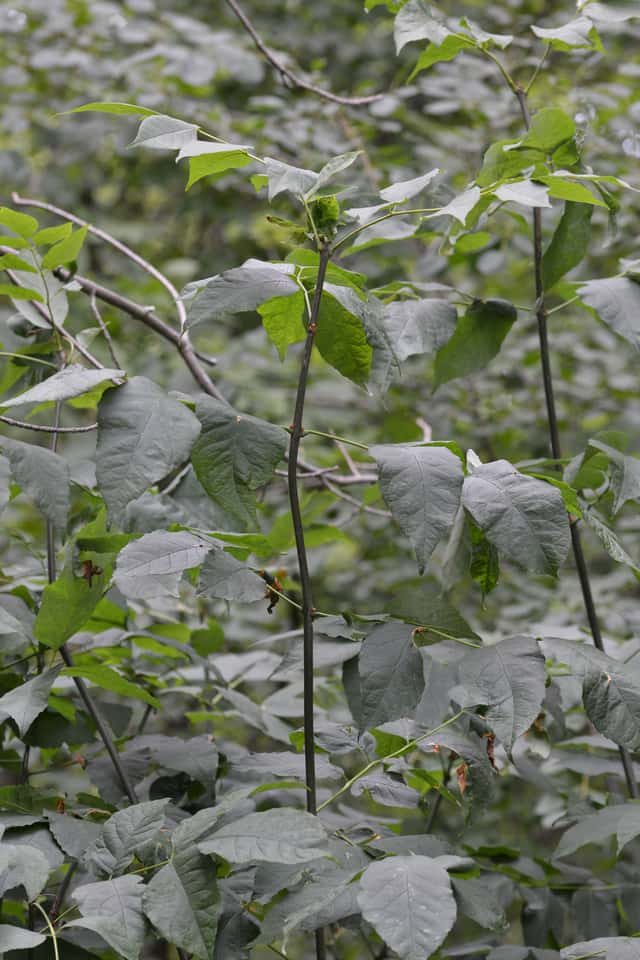
Green ash (Fraxinus pennsylvanica) is a fast-growing deciduous tree native to eastern North America. It is one of the most widely distributed ash species on the continent, thriving from the Atlantic coast to the Great Plains. Known for its adaptability to a wide range of soil conditions — including wet, dry, and compacted soils — it has long been a popular choice for urban streetscapes and residential landscapes. The tree produces small greenish-purple flowers in spring before the leaves emerge, and its foliage turns a brilliant golden yellow in autumn. Unfortunately, green ash faces an existential threat from the emerald ash borer, an invasive beetle that has decimated ash populations across North America.
How Big Does Green Ash Grow?
TLDR: Green Ash can reach up to 21.0m tall with Fast growth rate.
Max height
21.0m
Spread
13.7m
Growth rate
Fast
Foliage
Deciduous
Plant Uses
Ornamental
Great for decoration
Is your plant showing symptoms?
Click on the symptom to discover possible causes:
What Diseases Commonly Affect Green Ash?
TLDR: Green Ash is susceptible to 8 known diseases. Monitor regularly for early detection.
Anthracnose
Anthracnose is a fungal disease caused by fungi in the genus Colletotrichum that affects many plants, including vegetables, fruits, and trees. The disease thrives in cool, wet conditions, causing dark, sunken lesions on leaves, stems, flowers, and fruits.
Powdery Mildew
Powdery mildew is a common fungal disease caused by various fungi species including Erysiphe, Podosphaera, Oïdium, and Leveillula. It affects over 10,000 plant species worldwide. The disease thrives in warm, dry climates with high humidity and appears as a distinctive white powdery coating on plant surfaces.
Rust
Rust is a common fungal disease caused by fungi in the order Pucciniales that affects a wide variety of plants. The disease gets its name from the characteristic orange, yellow, or reddish-brown pustules that appear on leaves, resembling metal rust. This obligate fungal parasite requires living plants to survive and can cause significant economic losses in agricultural crops.
Canker
Canker is a disease caused by various fungi and bacteria that create necrotic, sunken areas on bark of branches, stems, and trunks. Pathogens enter through wounds and natural openings, especially when plants are stressed. Canker can gradually weaken or kill branches by disrupting water and nutrient flow.
Meaning & Symbolism
In North American traditions, the ash tree symbolizes strength, endurance, and adaptability — qualities embodied by its ability to thrive across diverse and challenging environments.
Fun Facts
Green ash is one of the most widely distributed trees in North America, native to 40 U.S. states and most of Canada.
Its wood is extremely strong and flexible, historically used by Indigenous peoples for canoe paddles, snowshoes, and tool handles.
Green ash trees can live 100–150 years under ideal conditions.
The winged seeds (samaras) are eaten by many bird species including wood ducks, purple finches, and pine grosbeaks.
Green ash has extraordinary soil adaptability — it can grow in soils too wet, dry, compacted, or alkaline for most other trees.
Frequently asked questions
Is green ash a good shade tree?
Is green ash toxic to pets?
Can green ash survive flooding?
Should I plant a green ash?
Compare with similar plants
| Attribute | Difficulty | Light | Watering | Pet Safe |
|---|---|---|---|---|
| Dark Fieldcap | Medium | Low light | 2d | ⚠️ |
| Azalea | Medium | Partial shade | 3d | ⚠️ |
| Bougainvillea | Medium | Direct sun | 7d | ⚠️ |
| Wild Lettuce | Medium | Direct sun | 7d | ⚠️ |



