Plantaginaceae
How to Grow and Care for Speedwell (Veronica)
Veronica
Speedwell thrives in full sun with well-draining soil. Water weekly during summer, reducing once established. Deadhead spent blooms to encourage re-flowering. Divide every 3–4 years to rejuvenate the plant. Fertilize lightly in spring with a balanced organic fertilizer. Space plants 15–18 inches apart to ensure good air circulation and prevent mildew.
Every 7 days
Bright indirect
-20° - 35°C
40% - 70%
Categories
What is Speedwell?
Speedwell (Veronica) is a easy-care plant from the Plantaginaceae family. Veronica, commonly known as Speedwell, is a large genus of flowering plants in the family Plantaginaceae, comprising over 500 species. Native mainly to Europe, these cheerful perennials produce tall, slender spikes of small four-petaled flowers in shades of blue, purple, pink, and white from spring...
Speedwell grows up to 1.2m, spread of 60cm, watering every 7 days, -20°C – 35°C, 40–70% humidity. It is not suitable for indoor environments and safe for pets.
Unlike many tropical plants, Speedwell tolerates watering mistakes. Best for beginners. Unlike many popular species, Speedwell is safe to keep around pets.
How to Care for Speedwell?
TLDR: Speedwell needs Bright indirect, watering every 7 days, and temperatures between -20-35°C with 40-70% humidity.
How Often Should You Water Speedwell?
Water once a week during summer or when rainfall is below 1 inch per week. Once established, Speedwell is drought-tolerant — allow the soil to dry slightly between waterings. Avoid overwatering, which can cause root rot. Water at the base of the plant to keep foliage dry.
How Much Light Does Speedwell Need?
Plant in a location with at least 6 hours of direct sunlight per day. Full sun produces the best flowering and strongest stems. In hot climates, a little afternoon shade is beneficial. Avoid deeply shaded spots, which reduce blooms and encourage fungal diseases.
What Is the Best Soil for Speedwell?
Use well-draining, moderately fertile soil. Amend heavy clay or very sandy soils with compost before planting. Speedwell adapts to a range of soil types and pH levels (6.0–8.0). Good drainage is essential to prevent root rot.
What Pot Should You Use for Speedwell?
Terra cotta or ceramic pots with drainage holes work best for container-grown Speedwell. Ensure the container is wide enough for spreading varieties.
Care Schedule
Fertilize
Every 90 days
Rotate
Every 30 days
What Is Speedwell and Where Does It Come From?
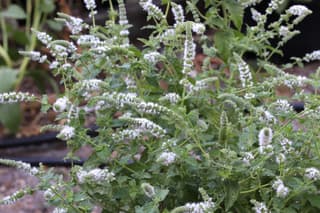
Veronica, commonly known as Speedwell, is a large genus of flowering plants in the family Plantaginaceae, comprising over 500 species. Native mainly to Europe, these cheerful perennials produce tall, slender spikes of small four-petaled flowers in shades of blue, purple, pink, and white from spring through fall. Their upright, wand-like flower spikes make them stand out in cottage gardens, borders, and naturalistic plantings. Groundcover types spread low and are excellent for rock gardens and erosion control.
How to Propagate Speedwell?
Division
Division rejuvenates older clumps that have become sparse in the center. Do it every 3-4 years.
- 1 Dig up the entire clump in early spring or fall
- 2 Divide the root mass into sections, each with several shoots
- 3 Replant divisions at the same depth, 15-18 inches apart
- 4 Water well after planting
Materials needed:
Seed Propagation
Some species self-seed freely. Direct sow after last frost for a more natural approach.
- 1 Start seeds indoors 4-6 weeks before the last frost date
- 2 Sow seeds on the surface of moist seed-starting mix — they need light to germinate
- 3 Keep at 65-70°F until germination
- 4 Transplant outdoors after frost danger has passed
Materials needed:
How Big Does Speedwell Grow?
TLDR: Speedwell can reach up to 1.2m tall with Medium growth rate.
Max height
1.2m
Spread
60cm
Growth rate
Medium
Foliage
Deciduous
Plant Uses
Ornamental
Great for decoration
Ground Cover
Soil coverage
Medicinal
Medicinal properties
Medicinal Uses
- Veronica officinalis has a history of use in European folk medicine as a tonic, expectorant, and for skin conditions
- Tea made from speedwell leaves was used to treat coughs, kidney, and digestive issues
Is your plant showing symptoms?
Click on the symptom to discover possible causes:
What Diseases Commonly Affect Speedwell?
TLDR: Speedwell is susceptible to 9 known diseases. Monitor regularly for early detection.
Powdery Mildew
Powdery mildew is a common fungal disease caused by various fungi species including Erysiphe, Podosphaera, Oïdium, and Leveillula. It affects over 10,000 plant species worldwide. The disease thrives in warm, dry climates with high humidity and appears as a distinctive white powdery coating on plant surfaces.
Downy Mildew
Downy mildew is a fungal-like disease caused by oomycetes (water molds) that thrives in cool, wet conditions. It affects a wide range of plants, causing yellowing leaves with fuzzy white-gray growth underneath, leading to defoliation and reduced yields if left untreated.
Root Rot
Root rot is a serious fungal disease that affects the root system of plants, causing them to decay and die. It is primarily caused by overwatering, poor drainage, or soil-borne fungi such as Pythium, Phytophthora, Rhizoctonia, and Fusarium. The disease thrives in waterlogged conditions where roots are deprived of oxygen, making them susceptible to fungal infection.
Rust
Rust is a common fungal disease caused by fungi in the order Pucciniales that affects a wide variety of plants. The disease gets its name from the characteristic orange, yellow, or reddish-brown pustules that appear on leaves, resembling metal rust. This obligate fungal parasite requires living plants to survive and can cause significant economic losses in agricultural crops.
Meaning & Symbolism
In the Victorian language of flowers, Speedwell symbolizes faithfulness, fidelity, and steadfast friendship. The name "Speedwell" likely refers to a farewell wish of good luck and safe travels.
Fun Facts
Veronica is one of the largest genera in the family Plantaginaceae, with over 500 species worldwide
Speedwell flowers have only 4 petals, which is unusual for members of its family
Many Veronica species are important nectar sources for bumblebees and other native pollinators
The medicinal herb Veronica officinalis was widely used in European folk medicine as a general tonic
Frequently asked questions
How often should I water Speedwell?
Is Speedwell toxic to pets?
When does Speedwell bloom?
Why is my Speedwell getting powdery mildew?
How do I propagate Speedwell?
Compare with similar plants
| Attribute | Difficulty | Light | Watering | Pet Safe |
|---|---|---|---|---|
| Field Maple | Easy | Bright indirect | 14d | ✓ |
| Silver Birch | Easy | Direct sun | 14d | ✓ |
| Cushion Bush | Easy | Direct sun | 14d | ✓ |
| Peruvian peppertree | Easy | Direct sun | 14d | ⚠️ |