Plantaginaceae
Ribwort Plantain: Ground Cover Plant
Plantago lanceolata
An exceptionally low-maintenance, drought-tolerant plant once established. Thrives in full sun with well-draining soil and needs little attention beyond occasional watering during dry spells.
Every 10 days
Bright indirect
-20° - °C
% - %
Categories
What is Ribwort Plantain?
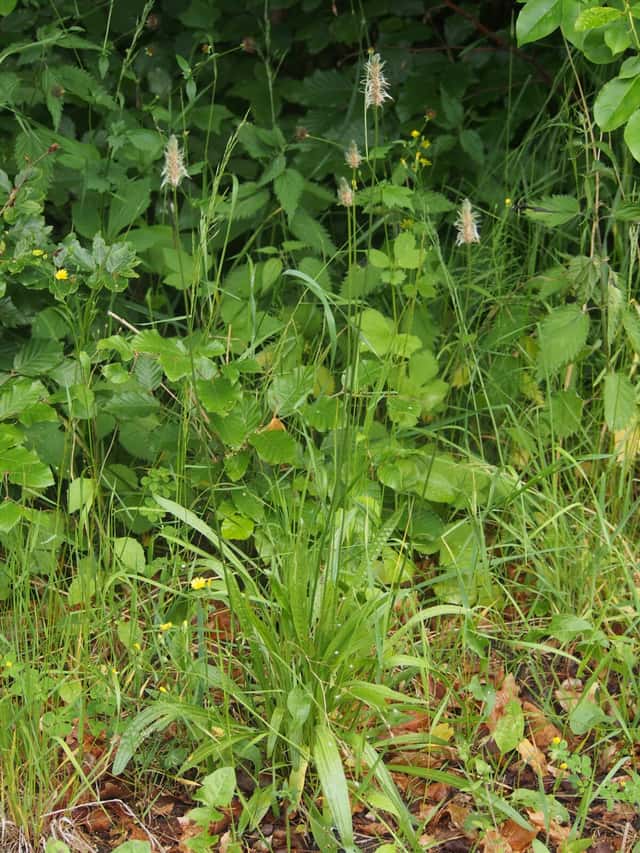
Ribwort Plantain (Plantago lanceolata) is a easy-care plant from the Plantaginaceae family. Ribwort plantain is a low-growing perennial herb native to Europe and western Asia, now naturalized worldwide. It forms a basal rosette of lance-shaped, ribbed leaves and sends up slender, leafless flower stalks topped with small brownish flower spikes from spring through summer. Extremely hardy and...
Ribwort Plantain grows up to 50cm, spread of 40cm, watering every 10 days. It is not suitable for indoor environments and safe for pets.
Unlike many tropical plants, Ribwort Plantain tolerates watering mistakes. Best for beginners. Unlike many popular species, Ribwort Plantain is safe to keep around pets.
How to Care for Ribwort Plantain?
TLDR: Ribwort Plantain needs Bright indirect, watering every 10 days, and temperatures between -20-30°C with 40-70% humidity.
How Often Should You Water Ribwort Plantain?
Keep soil evenly moist until seedlings establish, then water only during prolonged dry periods -- this plant tolerates drought well and dislikes soggy, waterlogged soil.
How Much Light Does Ribwort Plantain Need?
Grow in full sun to light partial shade; flowering and vigor are best with at least 6 hours of direct sun per day.
What Is the Best Soil for Ribwort Plantain?
Adapts to sandy, loamy, clay, or chalky soils as long as drainage is adequate; tolerates poor, nutrient-lean soil and a wide pH range.
What Pot Should You Use for Ribwort Plantain?
A wide, shallow terracotta or unglazed clay pot with ample drainage holes suits its spreading rosette and helps prevent waterlogging.
Care Schedule
Repot
Every 365 days
What Is Ribwort Plantain and Where Does It Come From?
Ribwort plantain is a low-growing perennial herb native to Europe and western Asia, now naturalized worldwide. It forms a basal rosette of lance-shaped, ribbed leaves and sends up slender, leafless flower stalks topped with small brownish flower spikes from spring through summer. Extremely hardy and adaptable, it thrives in meadows, lawns, and disturbed ground, and has a long history of use as a medicinal herb.
How to Propagate Ribwort Plantain?
Seed propagation
Seeds germinate readily without stratification; the plant self-seeds easily in gardens and lawns.
- 1 Collect seeds from mature flower spikes in summer
- 2 Sow directly into well-draining soil or pots
- 3 Keep soil lightly moist until germination
- 4 Transplant seedlings once they have 2-3 true leaves
Materials needed:
How Big Does Ribwort Plantain Grow?
TLDR: Ribwort Plantain can reach up to 50cm tall with Fast growth rate.
Max height
50cm
Spread
40cm
Growth rate
Fast
Foliage
Semi-evergreen
Plant Uses
Edible
Can be consumed
Medicinal
Medicinal properties
Ground Cover
Soil coverage
Medicinal Uses
- Leaf tea used traditionally as a cough remedy for respiratory ailments
- Fresh crushed leaves applied topically to soothe insect bites and minor wounds
- Used in traditional European medicine for skin inflammation and irritation
- Combined with honey or wine in folk remedies for gout and joint pain
Culinary Uses
- Young tender leaves can be added raw to salads
- Older leaves can be cooked as a potherb similar to spinach
Is your plant showing symptoms?
Click on the symptom to discover possible causes:
What Diseases Commonly Affect Ribwort Plantain?
TLDR: Ribwort Plantain is susceptible to 3 known diseases. Monitor regularly for early detection.
Powdery Mildew
Powdery mildew is a common fungal disease caused by various fungi species including Erysiphe, Podosphaera, Oïdium, and Leveillula. It affects over 10,000 plant species worldwide. The disease thrives in warm, dry climates with high humidity and appears as a distinctive white powdery coating on plant surfaces.
Downy Mildew
Downy mildew is a fungal-like disease caused by oomycetes (water molds) that thrives in cool, wet conditions. It affects a wide range of plants, causing yellowing leaves with fuzzy white-gray growth underneath, leading to defoliation and reduced yields if left untreated.
Caterpillars
Caterpillars are the larval stage of moths and butterflies that feed voraciously on plant foliage, stems, flowers, and fruits. Common species include cabbage loopers, tomato hornworms, armyworms, and cutworms. These pests can cause extensive damage by consuming large amounts of plant tissue in a short time. They vary in size from small (1/4 inch) to large (5 inches), with colors ranging from green to brown, often featuring stripes or spots. Caterpillars are highly mobile and can quickly spread throughout gardens, making them one of the most destructive common pests.
Meaning & Symbolism
In folk tradition, plantain is regarded as a healing plant of resilience -- often called "nature's band-aid" for its long association with wound care and its ability to thrive in trampled, disturbed ground.
Compare with similar plants
| Attribute | Difficulty | Light | Watering | Pet Safe |
|---|---|---|---|---|
| Field Maple | Easy | Bright indirect | 14d | ✓ |
| Silver Birch | Easy | Direct sun | 14d | ✓ |
| Common Blanketflower | Easy | Direct sun | 10d | ✓ |
| Cushion Bush | Easy | Direct sun | 14d | ✓ |





