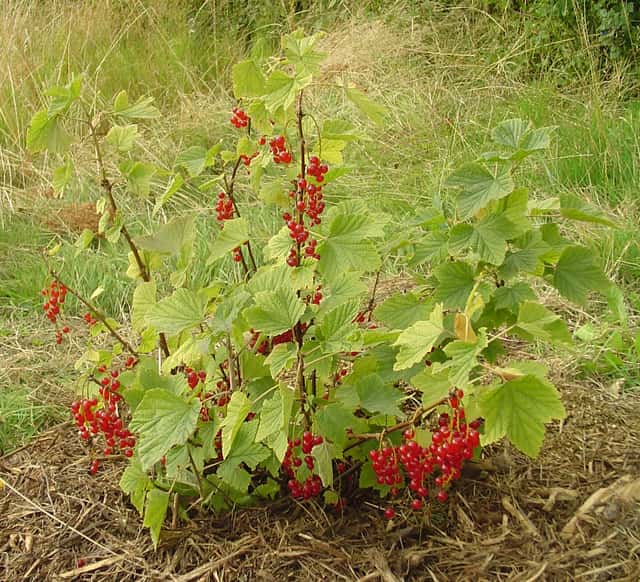
Grossulariaceae
Redcurrant — Ribes rubrum
Ribes rubrum
Plant in full sun to partial shade. Water every 7–10 days, keeping soil evenly moist but never waterlogged. Feed twice a year with a potassium-rich fertiliser to boost fruiting. Prune annually after harvest to maintain shape and productivity. Mulch around the base to retain moisture and suppress weeds.
Every 8 days
Bright indirect
-20° - 28°C
50% - 70%
Categories
What is Redcurrant?
Redcurrant (Ribes rubrum) is a medium-care plant from the Grossulariaceae family. Redcurrant (Ribes rubrum) is a deciduous fruiting shrub native to Western and Northern Europe, prized for its bright red, tart berries borne in long pendant clusters called strigs. A staple of traditional European kitchen gardens, it thrives in temperate climates with cold winters and produces abund...
Redcurrant grows up to 1.5m, spread of 120cm, watering every 8 days, -20°C – 28°C, 50–70% humidity. It is not suitable for indoor environments and safe for pets.
Unlike many popular species, Redcurrant is safe to keep around pets.
How to Care for Redcurrant?
TLDR: Redcurrant needs Bright indirect, watering every 8 days, and temperatures between -20-28°C with 50-70% humidity.
How Often Should You Water Redcurrant?
Water every 7–10 days, ensuring the soil does not dry out completely between watering sessions. Increase frequency during hot spells. Avoid waterlogging — soggy roots lead to root rot and decline.
How Much Light Does Redcurrant Need?
Redcurrant performs best in full sun (6+ hours daily) for maximum fruit production. It tolerates partial shade but yields will be reduced. Avoid heavily shaded spots.
What Is the Best Soil for Redcurrant?
Plant in moist, well-drained loamy soil rich in organic matter. Ideal pH is 6.0–6.8. Incorporate compost before planting and apply a layer of mulch to regulate soil temperature and moisture.
What Pot Should You Use for Redcurrant?
Large terracotta or wooden container with a minimum 40 cm diameter and excellent drainage. Ground planting in a garden or allotment is strongly preferred for best yields.
Care Schedule
Fertilize
Every 30 days
Rotate
Every 7 days
What Is Redcurrant and Where Does It Come From?
Redcurrant (Ribes rubrum) is a deciduous fruiting shrub native to Western and Northern Europe, prized for its bright red, tart berries borne in long pendant clusters called strigs. A staple of traditional European kitchen gardens, it thrives in temperate climates with cold winters and produces abundantly from mid-summer. It is one of the hardiest fruiting shrubs available, tolerating temperatures as low as -20°C.
How Big Does Redcurrant Grow?
TLDR: Redcurrant can reach up to 1.5m tall with Medium growth rate.
Max height
1.5m
Spread
1.2m
Growth rate
Medium
Foliage
Deciduous
Plant Uses
Edible
Can be consumed
Ornamental
Great for decoration
Medicinal Uses
- Extremely high in vitamin C and anthocyanins
- Traditional use in syrups for coughs and respiratory complaints
- Leaves used as anti-inflammatory in folk medicine
Culinary Uses
- Jams and jellies
- Juices and liqueurs
- Tarts and desserts
- Sweet-sour sauces for meat
- Cordials and syrups
Is your plant showing symptoms?
Click on the symptom to discover possible causes:
What Diseases Commonly Affect Redcurrant?
TLDR: Redcurrant is susceptible to 9 known diseases. Monitor regularly for early detection.
Powdery Mildew
Powdery mildew is a common fungal disease caused by various fungi species including Erysiphe, Podosphaera, Oïdium, and Leveillula. It affects over 10,000 plant species worldwide. The disease thrives in warm, dry climates with high humidity and appears as a distinctive white powdery coating on plant surfaces.
Anthracnose
Anthracnose is a fungal disease caused by fungi in the genus Colletotrichum that affects many plants, including vegetables, fruits, and trees. The disease thrives in cool, wet conditions, causing dark, sunken lesions on leaves, stems, flowers, and fruits.
Botrytis
Leaf Spot
Leaf spot is a common fungal disease caused by various pathogens including Alternaria, Ascochyta, Colletotrichum, Septoria, and Venturia. It primarily affects leaves, causing discolored spots that can lead to premature leaf drop if left untreated.
Meaning & Symbolism
In European tradition, the redcurrant symbolizes abundance, vitality, and the rewards of patient cultivation. It was a common fixture in medieval herb and physic gardens, associated with health and protection.
Fun Facts
A single redcurrant bush can yield up to 4–5 kg of fruit per season.
Redcurrants are among the richest natural sources of vitamin C in Europe.
They have been cultivated in European gardens since at least the 15th century.
The berries attract birds and beneficial pollinators.
Frequently asked questions
When should I harvest redcurrants?
Can redcurrants grow in containers?
How often should I feed redcurrants?
Compare with similar plants
| Attribute | Difficulty | Light | Watering | Pet Safe |
|---|---|---|---|---|
| Dark Fieldcap | Medium | Low light | 2d | ⚠️ |
| Azalea | Medium | Partial shade | 3d | ⚠️ |
| Bougainvillea | Medium | Direct sun | 7d | ⚠️ |
| Wild Lettuce | Medium | Direct sun | 7d | ⚠️ |



