Ericaceae
Common Rhododendron (Rhododendron ponticum): Complete Care Guide
Rhododendron ponticum
Grow in partial shade in moist, acidic, peaty, well-draining soil with pH 4.5–6.0. Water every 7–10 days, keeping soil consistently moist but not waterlogged. Protect from strong winds and frost below -5°C. Prune lightly after flowering. Requires no heavy feeding — a slow-release ericaceous fertilizer in spring suffices.
Every 7 days
Partial shade
3° - 25°C
50% - 80%
Categories
What is Common Rhododendron?
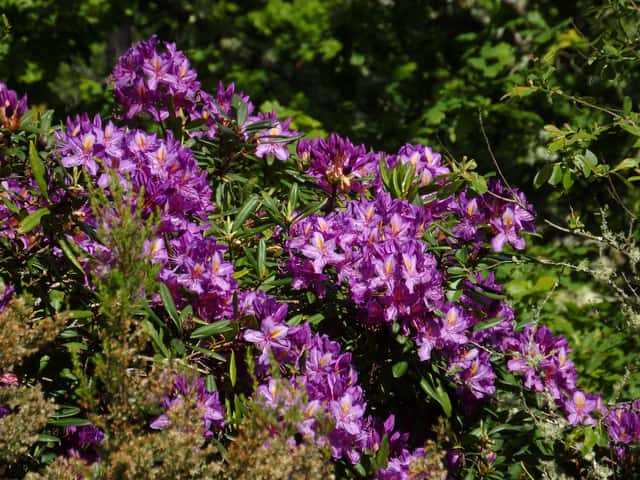
Common Rhododendron (Rhododendron ponticum) is a medium-care plant from the Ericaceae family. Rhododendron ponticum, commonly known as the Common or Pontic Rhododendron, is a large evergreen shrub native to the Iberian Peninsula and the Black Sea region. It produces spectacular clusters of violet-purple flowers in spring and is renowned for both its ornamental beauty and its invasive nature...
Common Rhododendron grows up to 5.0m, spread of 600cm, watering every 7 days, 3°C – 25°C, 50–80% humidity. It is not suitable for indoor environments and not safe for pets.
Without precautions, ingestion can cause irritation in pets. Keep out of reach of cats and dogs.
How to Care for Common Rhododendron?
TLDR: Common Rhododendron needs Partial shade, watering every 7 days, and temperatures between 3-25°C with 50-80% humidity.
How Often Should You Water Common Rhododendron?
Water deeply every 7–10 days, more frequently in hot or dry conditions. Ensure excellent drainage to prevent root rot. Avoid letting the root ball dry out completely, especially in the first few years after planting.
How Much Light Does Common Rhododendron Need?
Prefers dappled or partial shade; avoid full afternoon sun which can scorch the leathery leaves. Morning sun with afternoon shade is ideal. A north- or east-facing position suits it well in warmer climates.
What Is the Best Soil for Common Rhododendron?
Plant in moist, humus-rich, acidic soil with pH 4.5–6.0. Peaty or ericaceous compost is ideal. Avoid chalky or alkaline soils, which cause chlorosis. Mulch annually with pine bark or leaf mould to retain moisture and acidity.
What Pot Should You Use for Common Rhododendron?
Plant in the ground in a well-prepared acidic border. If container-growing, use a large pot (minimum 40 cm) with ericaceous compost and ensure excellent drainage. Re-pot every 2–3 years.
Care Schedule
Fertilize
Every 14 days
Misting
Every 3 days
Rotate
Every 7 days
Repot
Every 365 days
What Is Common Rhododendron and Where Does It Come From?
Rhododendron ponticum, commonly known as the Common or Pontic Rhododendron, is a large evergreen shrub native to the Iberian Peninsula and the Black Sea region. It produces spectacular clusters of violet-purple flowers in spring and is renowned for both its ornamental beauty and its invasive nature in the British Isles and other regions outside its native range. All parts of the plant contain grayanotoxins, making it highly toxic to pets and humans.
How Big Does Common Rhododendron Grow?
TLDR: Common Rhododendron can reach up to 5.0m tall with Slow growth rate.
Max height
5.0m
Spread
6.0m
Growth rate
Slow
Foliage
Evergreen
Warning: Toxic Plant
This plant can be toxic if ingested. Keep out of reach of:
Plant Uses
Ornamental
Great for decoration
Is your plant showing symptoms?
Click on the symptom to discover possible causes:
What Diseases Commonly Affect Common Rhododendron?
TLDR: Common Rhododendron is susceptible to 10 known diseases. Monitor regularly for early detection.
Phytophthora Root Rot
Disease caused by fungus-like organisms (oomycetes) that live in soil and can survive for years. It affects roots, stem, and crown of plants, being especially severe in waterlogged or poorly drained soils. It is the second most common cause of root rot in trees and shrubs.
Phytophthora
The Phytophthora genus consists of soil-borne oomycetes (water molds) that act as plant pathogens, primarily affecting trees and woody plants. It typically spreads through the root system, leading to systemic decline and eventual plant collapse.
Powdery Mildew
Powdery mildew is a common fungal disease caused by various fungi species including Erysiphe, Podosphaera, Oïdium, and Leveillula. It affects over 10,000 plant species worldwide. The disease thrives in warm, dry climates with high humidity and appears as a distinctive white powdery coating on plant surfaces.
Root Rot
Root rot is a serious fungal disease that affects the root system of plants, causing them to decay and die. It is primarily caused by overwatering, poor drainage, or soil-borne fungi such as Pythium, Phytophthora, Rhizoctonia, and Fusarium. The disease thrives in waterlogged conditions where roots are deprived of oxygen, making them susceptible to fungal infection.
Meaning & Symbolism
Symbol of wilderness, resilience, and invasive natural beauty; associated with the untamed landscapes of the Black Sea and Iberian Peninsula.
Fun Facts
Rhododendron ponticum has been so successful as an invasive species in the British Isles that it now covers over 100,000 hectares and costs millions of pounds annually to control.
The toxic honey produced from rhododendron nectar — known as "mad honey" — has been documented since 401 BC when Greek soldiers were incapacitated after eating it.
All parts of the plant — leaves, flowers, pollen, nectar, stems, and even vase water — contain grayanotoxins, capable of causing cardiac arrhythmia in small doses.
Rhododendron ponticum serves as a primary host for Phytophthora ramorum, the devastating oomycete pathogen responsible for Sudden Oak Death.
Despite its notoriety as an invasive pest in the UK and Ireland, it is a protected and rare species in its native range on the Iberian Peninsula.
Compare with similar plants
| Attribute | Difficulty | Light | Watering | Pet Safe |
|---|---|---|---|---|
| Dark Fieldcap | Medium | Low light | 2d | ⚠️ |
| Azalea | Medium | Partial shade | 3d | ⚠️ |
| Bougainvillea | Medium | Direct sun | 7d | ⚠️ |
| Wild Lettuce | Medium | Direct sun | 7d | ⚠️ |



