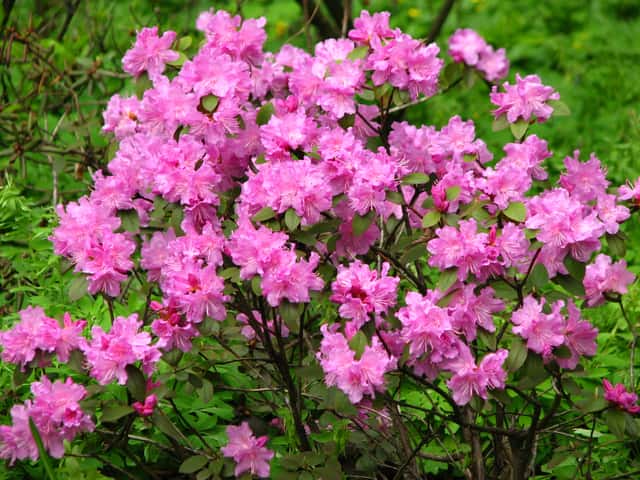
Ericaceae
Rhododendron (Rhododendron spp.)
Rhododendron
Plant in acidic, moist, well-drained soil rich in organic matter (pH 4.5–6.0). Site in partial or dappled shade, sheltered from harsh afternoon sun. Water regularly during dry spells, keeping soil consistently moist but never waterlogged. Fertilize with an acid-plant fertilizer in late winter. Deadhead spent blooms to encourage the following year's flowering. Mulch annually with bark or leaf mould to conserve moisture and maintain soil acidity.
Every 7 days
Partial shade
-34° - 35°C
50% - 80%
Categories
What is Rhododendron?
Rhododendron (Rhododendron) is a medium-care plant from the Ericaceae family. Rhododendron is a large genus of over 1,000 species of woody flowering plants in the family Ericaceae, encompassing both classic rhododendrons and azaleas. Native primarily to eastern Asia and the Himalayan region, with smaller numbers in North America, Europe, and Australia, these iconic shrubs and...
Rhododendron grows up to 30.0m, spread of 300cm, watering every 7 days, -34°C – 35°C, 50–80% humidity. It is not suitable for indoor environments and not safe for pets.
Without precautions, ingestion can cause irritation in pets. Keep out of reach of cats and dogs.
How to Care for Rhododendron?
TLDR: Rhododendron needs Partial shade, watering every 7 days, and temperatures between -34-35°C with 50-80% humidity.
How Often Should You Water Rhododendron?
Water every 7 days on average, more frequently in hot or dry periods. Rhododendrons have shallow, fibrous roots that are sensitive to both drought and waterlogging — aim for consistently moist but well-drained soil.
How Much Light Does Rhododendron Need?
Thrives in partial shade or dappled light under tree canopies. Protect from strong afternoon sun, which can scorch leaves and fade flowers. Alpine species tolerate brighter, cooler conditions.
What Is the Best Soil for Rhododendron?
Requires acidic soil with a pH of 4.5–6.0. Amend with peat moss, composted bark, or pine needles to improve acidity and drainage. Avoid alkaline or chalky soils, which cause chlorosis (yellowing leaves).
What Pot Should You Use for Rhododendron?
Unglazed terracotta or ceramic pot with drainage holes; use specialist ericaceous (acid) potting mix.
Care Schedule
Fertilize
Every 90 days
What Is Rhododendron and Where Does It Come From?
Rhododendron is a large genus of over 1,000 species of woody flowering plants in the family Ericaceae, encompassing both classic rhododendrons and azaleas. Native primarily to eastern Asia and the Himalayan region, with smaller numbers in North America, Europe, and Australia, these iconic shrubs and trees are prized worldwide for their spectacular spring blooms in shades of pink, red, white, purple, yellow, and orange. The genus ranges from low-growing alpine ground covers to towering trees exceeding 30 metres, and includes both evergreen and deciduous species.
How Big Does Rhododendron Grow?
TLDR: Rhododendron can reach up to 30.0m tall with Medium growth rate.
Max height
30.0m
Spread
3.0m
Growth rate
Medium
Foliage
Evergreen
Warning: Toxic Plant
This plant can be toxic if ingested. Keep out of reach of:
Plant Uses
Ornamental
Great for decoration
Is your plant showing symptoms?
Click on the symptom to discover possible causes:
What Diseases Commonly Affect Rhododendron?
TLDR: Rhododendron is susceptible to 16 known diseases. Monitor regularly for early detection.
Phytophthora Root Rot
Disease caused by fungus-like organisms (oomycetes) that live in soil and can survive for years. It affects roots, stem, and crown of plants, being especially severe in waterlogged or poorly drained soils. It is the second most common cause of root rot in trees and shrubs.
Root Rot
Root rot is a serious fungal disease that affects the root system of plants, causing them to decay and die. It is primarily caused by overwatering, poor drainage, or soil-borne fungi such as Pythium, Phytophthora, Rhizoctonia, and Fusarium. The disease thrives in waterlogged conditions where roots are deprived of oxygen, making them susceptible to fungal infection.
Crown Rot
Crown rot is a serious fungal disease that attacks the crown (base) of the plant where the stem meets the soil. It is caused by various fungal pathogens including Phytophthora, Fusarium, and Rhizoctonia. The disease thrives in waterlogged conditions and can quickly spread to kill the entire plant if not addressed promptly.
Canker
Canker is a disease caused by various fungi and bacteria that create necrotic, sunken areas on bark of branches, stems, and trunks. Pathogens enter through wounds and natural openings, especially when plants are stressed. Canker can gradually weaken or kill branches by disrupting water and nutrient flow.
Meaning & Symbolism
National flower of Nepal; state flower of Washington and West Virginia (USA). Symbolises abundance, elegance, and caution — the latter due to its toxicity when ingested.
Fun Facts
All azaleas are rhododendrons — they belong to the same genus and are not a separate plant family.
Rhododendron is the national flower of Nepal and the state flower of both Washington and West Virginia in the USA.
The leaves and nectar contain grayanotoxins, which are toxic to humans, cats, and dogs if ingested in significant amounts.
Some Himalayan species can grow into trees exceeding 30 metres (100 feet) tall.
In parts of Britain, introduced rhododendrons have become invasive, outcompeting native woodland flora.
Compare with similar plants
| Attribute | Difficulty | Light | Watering | Pet Safe |
|---|---|---|---|---|
| Dark Fieldcap | Medium | Low light | 2d | ⚠️ |
| Azalea | Medium | Partial shade | 3d | ⚠️ |
| Bougainvillea | Medium | Direct sun | 7d | ⚠️ |
| Wild Lettuce | Medium | Direct sun | 7d | ⚠️ |



