Plantaginaceae
Blackseed Plantain: The Resilient Native Herb
Plantago rugelii
Blackseed plantain is remarkably easy to grow. It thrives in full sun to partial shade with regular watering every 3 days. Grow it in loamy, well-drained soil at a slightly acidic to neutral pH. It is fully cold-hardy down to USDA zone 3 and needs no special humidity or fertilization regimen.
Every 3 days
Partial shade
15° - 24°C
40% - 70%
Categories
What is Blackseed Plantain?
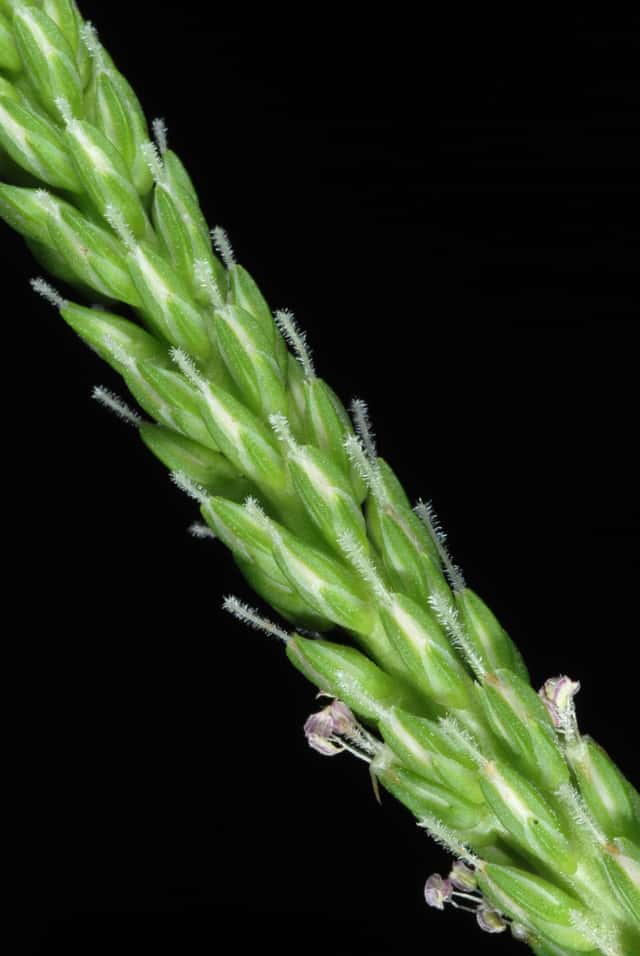
Blackseed Plantain (Plantago rugelii) is a easy-care plant from the Plantaginaceae family. Blackseed plantain (Plantago rugelii) is a hardy native perennial herb of eastern and central North America. It forms a compact basal rosette of broad, oval leaves with distinctive reddish-purple petiole bases. Often found in lawns, roadsides, and disturbed habitats, it is both a common "weed" and a...
Blackseed Plantain grows up to 30cm, spread of 35cm, watering every 3 days, 15°C – 24°C, 40–70% humidity. It is not suitable for indoor environments and safe for pets.
Unlike many tropical plants, Blackseed Plantain tolerates watering mistakes. Best for beginners. Unlike many popular species, Blackseed Plantain is safe to keep around pets.
How to Care for Blackseed Plantain?
TLDR: Blackseed Plantain needs Partial shade, watering every 3 days, and temperatures between 15-24°C with 40-70% humidity.
How Often Should You Water Blackseed Plantain?
Water every 3 days, keeping the soil evenly moist but never waterlogged. In hotter months, check moisture more frequently — the leaves will droop slightly when thirsty. Avoid standing water to prevent root rot.
How Much Light Does Blackseed Plantain Need?
Prefers full sun to partial shade (2–6 hours of direct sun daily). In hot climates, afternoon shade helps prevent leaf scorch. In lower-light conditions, growth slows but the plant remains healthy.
What Is the Best Soil for Blackseed Plantain?
Use loamy or sandy loam soil with good drainage. A slightly acidic to neutral pH (6.5–7.5) is ideal. Avoid compacted or waterlogged soils, which encourage root rot and fungal issues.
What Pot Should You Use for Blackseed Plantain?
Terracotta or clay pot with drainage holes — helps prevent waterlogging. Outdoors, plant directly in garden beds or borders.
Care Schedule
Fertilize
Every 30 days
What Is Blackseed Plantain and Where Does It Come From?
Blackseed plantain (Plantago rugelii) is a hardy native perennial herb of eastern and central North America. It forms a compact basal rosette of broad, oval leaves with distinctive reddish-purple petiole bases. Often found in lawns, roadsides, and disturbed habitats, it is both a common "weed" and a valued medicinal and edible plant with a long history of traditional use.
How to Propagate Blackseed Plantain?
Seed Propagation
Seeds can also be direct-sown outdoors in mid to late spring. Self-seeding is common once established.
- 1 Collect ripe seeds in late summer or use commercially obtained seeds.
- 2 Sow seeds on the surface of moist, well-draining potting mix in a cold frame in early spring.
- 3 Lightly press seeds into the soil — they need light to germinate.
- 4 Keep moist until germination occurs (7–14 days at 15–20°C).
- 5 Prick seedlings into individual pots when large enough to handle.
- 6 Transplant outdoors after the last frost.
Materials needed:
How Big Does Blackseed Plantain Grow?
TLDR: Blackseed Plantain can reach up to 30cm tall with Medium growth rate.
Max height
30cm
Spread
35cm
Growth rate
Medium
Foliage
Deciduous
Plant Uses
Edible
Can be consumed
Medicinal
Medicinal properties
Ground Cover
Soil coverage
Medicinal Uses
- Leaf poultices for insect bites, minor wounds, and skin inflammations
- Seeds act as a bulk laxative and soothe irritated membranes
- Root extracts show nematicide properties
Culinary Uses
- Young leaves eaten raw or lightly cooked — mild flavor similar to spinach
- Leaves added to salads, soups, or sautéed as a nutritious green
Is your plant showing symptoms?
Click on the symptom to discover possible causes:
What Diseases Commonly Affect Blackseed Plantain?
TLDR: Blackseed Plantain is susceptible to 7 known diseases. Monitor regularly for early detection.
Powdery Mildew
Powdery mildew is a common fungal disease caused by various fungi species including Erysiphe, Podosphaera, Oïdium, and Leveillula. It affects over 10,000 plant species worldwide. The disease thrives in warm, dry climates with high humidity and appears as a distinctive white powdery coating on plant surfaces.
Leaf Spot
Leaf spot is a common fungal disease caused by various pathogens including Alternaria, Ascochyta, Colletotrichum, Septoria, and Venturia. It primarily affects leaves, causing discolored spots that can lead to premature leaf drop if left untreated.
Root Rot
Root rot is a serious fungal disease that affects the root system of plants, causing them to decay and die. It is primarily caused by overwatering, poor drainage, or soil-borne fungi such as Pythium, Phytophthora, Rhizoctonia, and Fusarium. The disease thrives in waterlogged conditions where roots are deprived of oxygen, making them susceptible to fungal infection.
Downy Mildew
Downy mildew is a fungal-like disease caused by oomycetes (water molds) that thrives in cool, wet conditions. It affects a wide range of plants, causing yellowing leaves with fuzzy white-gray growth underneath, leading to defoliation and reduced yields if left untreated.
Meaning & Symbolism
In folk tradition, plantain symbolizes endurance, healing, and resilience — a plant that thrives where others cannot, offering medicine freely to those who know where to look.
Fun Facts
Plantago rugelii is distinguished from the common plantain (P. major) by its reddish-purple petiole bases and black seeds — hence the common name.
It is native to eastern and central North America and has been used medicinally by Indigenous peoples for centuries.
The seeds contain psyllium-like mucilage, making them a natural bulk-forming laxative.
Deer generally avoid this plant, making it a resilient choice for wildlife gardens.
Frequently asked questions
How often should I water blackseed plantain?
Is blackseed plantain toxic to pets?
Can blackseed plantain grow indoors?
What are the medicinal uses of blackseed plantain?
Is blackseed plantain invasive?
Compare with similar plants
| Attribute | Difficulty | Light | Watering | Pet Safe |
|---|---|---|---|---|
| Field Maple | Easy | Bright indirect | 14d | ✓ |
| Silver Birch | Easy | Direct sun | 14d | ✓ |
| Cushion Bush | Easy | Direct sun | 14d | ✓ |
| Peruvian peppertree | Easy | Direct sun | 14d | ⚠️ |





