Crassulaceae
Russian Houseleek (Sempervivum ruthenicum) Care Guide
Sempervivum ruthenicum
Grow in full sun to light partial shade in very well-draining, gritty soil. Water deeply but infrequently, letting the soil dry out completely between waterings, and cut back watering in winter. Tolerant of poor soil and drought, it needs almost no fertilizer and no pruning.
Every 14 days
Bright indirect
-20° - 35°C
30% - 50%
Categories
What is Russian Houseleek?
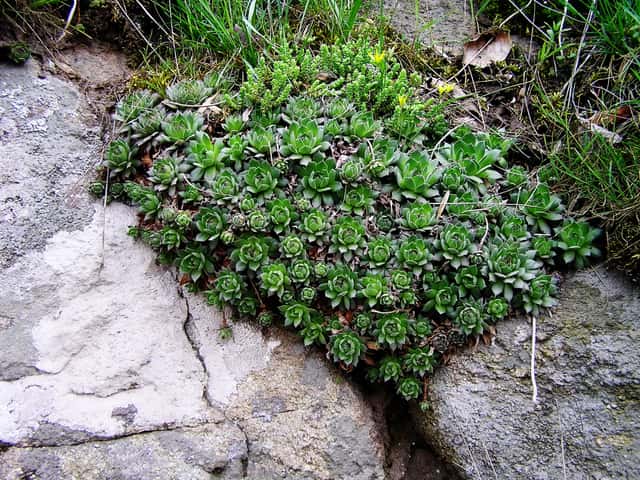
Russian Houseleek (Sempervivum ruthenicum) is a easy-care plant from the Crassulaceae family. Sempervivum ruthenicum, the Russian houseleek, is a hardy evergreen succulent from the Crassulaceae family native to the rocky mountains and stony terrain of Eastern Europe and the Caucasus region. It forms low, mat-like rosettes of slightly hairy, pale green fleshy leaves tipped in pink, and sends...
Russian Houseleek grows up to 30cm, spread of 40cm, watering every 14 days, -20°C – 35°C, 30–50% humidity. It is not suitable for indoor environments and safe for pets.
Unlike many tropical plants, Russian Houseleek tolerates watering mistakes. Best for beginners. Unlike many popular species, Russian Houseleek is safe to keep around pets.
How to Care for Russian Houseleek?
TLDR: Russian Houseleek needs Bright indirect, watering every 14 days, and temperatures between -20-35°C with 30-50% humidity.
How Often Should You Water Russian Houseleek?
Soak the soil thoroughly, then let it dry out completely before watering again — overwatering causes root rot faster than anything else with this plant.
How Much Light Does Russian Houseleek Need?
Give it full sun for the best rosette color; in very hot climates, a little afternoon shade prevents leaf scorch.
What Is the Best Soil for Russian Houseleek?
Use a gritty, fast-draining mix (25-50% sand, grit or perlite) — waterlogged soil is this succulent's biggest enemy.
What Pot Should You Use for Russian Houseleek?
Unglazed terracotta or shallow rock-garden containers with generous drainage holes, allowing excess moisture to evaporate quickly.
What Is Russian Houseleek and Where Does It Come From?
Sempervivum ruthenicum, the Russian houseleek, is a hardy evergreen succulent from the Crassulaceae family native to the rocky mountains and stony terrain of Eastern Europe and the Caucasus region. It forms low, mat-like rosettes of slightly hairy, pale green fleshy leaves tipped in pink, and sends up unusual yellow flower spikes in summer. Extremely drought- and cold-tolerant, it thrives on neglect in rock gardens, alpine troughs, and shallow containers.
How to Propagate Russian Houseleek?
Offset division
Offsets root fastest in spring or early summer; avoid burying the base too deep or it may rot.
- 1 Wait until offsets (chicks) have their own small root system, usually a few weeks after forming
- 2 Gently twist or cut the offset away from the mother rosette with a clean knife
- 3 Let the cut end callus over for 1-2 days in a dry, shaded spot
- 4 Place the offset on top of well-draining, gritty soil and press lightly to anchor it
- 5 Mist lightly or water sparingly until new roots establish, then treat as a mature plant
Materials needed:
Seed propagation
Seed-grown plants may not stay true to the parent, since Sempervivum hybridizes readily.
- 1 Sow fine seeds on the surface of a gritty seed-starting mix without covering them, as they need light to germinate
- 2 Keep the mix lightly moist and at around 21°C (70°F) until germination
- 3 Optionally cold-stratify seeds in the refrigerator for 2-4 weeks before sowing to improve germination
- 4 Transplant seedlings once they are large enough to handle
Materials needed:
How Big Does Russian Houseleek Grow?
TLDR: Russian Houseleek can reach up to 30cm tall with Slow growth rate.
Max height
30cm
Spread
40cm
Growth rate
Slow
Foliage
Evergreen
Plant Uses
Ornamental
Great for decoration
Ground Cover
Soil coverage
Medicinal
Medicinal properties
Medicinal Uses
- traditional relief for minor burns and skin irritation
Is your plant showing symptoms?
Click on the symptom to discover possible causes:
What Diseases Commonly Affect Russian Houseleek?
TLDR: Russian Houseleek is susceptible to 7 known diseases. Monitor regularly for early detection.
Root Rot
Root rot is a serious fungal disease that affects the root system of plants, causing them to decay and die. It is primarily caused by overwatering, poor drainage, or soil-borne fungi such as Pythium, Phytophthora, Rhizoctonia, and Fusarium. The disease thrives in waterlogged conditions where roots are deprived of oxygen, making them susceptible to fungal infection.
Rust
Rust is a common fungal disease caused by fungi in the order Pucciniales that affects a wide variety of plants. The disease gets its name from the characteristic orange, yellow, or reddish-brown pustules that appear on leaves, resembling metal rust. This obligate fungal parasite requires living plants to survive and can cause significant economic losses in agricultural crops.
Leafminers
Leafminers are the larvae of various insects including flies, moths, sawflies, and beetles that tunnel between leaf surfaces, creating distinctive serpentine trails or blotchy patches. While primarily cosmetic, severe infestations can weaken plants by reducing photosynthesis capacity and making them susceptible to secondary infections.
Slugs and Snails
Slugs and snails are mollusks that feed on plant tissue, causing irregular holes in leaves and damage to young seedlings. They are most active at night and in moist conditions, leaving characteristic silvery slime trails. These pests can quickly devastate gardens, especially during wet seasons.
Meaning & Symbolism
In European folklore the houseleek was planted on rooftops for protection against lightning and fire, and its Latin name 'Sempervivum' — meaning 'always alive' — has long symbolized endurance and eternal life.
Fun Facts
The genus name Sempervivum comes from Latin for "always alive," referring to the plant's remarkable ability to survive drought, cold and neglect.
Its species name "ruthenicum" refers to Ruthenia, an old name for parts of Russia and Eastern Europe where the plant is native.
Medieval Europeans planted houseleeks on roof tiles, believing they protected homes from lightning strikes and fire.
Each rosette is monocarpic — it flowers once, then dies — but not before producing plenty of offset "chicks" to carry on.
Frequently asked questions
How often should I water Sempervivum ruthenicum?
Is Russian houseleek hardy enough to survive winter outdoors?
Does Sempervivum ruthenicum need full sun?
How do I propagate Russian houseleek?
Is Sempervivum ruthenicum toxic to pets?
Compare with similar plants
| Attribute | Difficulty | Light | Watering | Pet Safe |
|---|---|---|---|---|
| Field Maple | Easy | Bright indirect | 14d | ✓ |
| Silver Birch | Easy | Direct sun | 14d | ✓ |
| Common Blanketflower | Easy | Direct sun | 10d | ✓ |
| Cushion Bush | Easy | Direct sun | 14d | ✓ |
Choose & Compare
Sources & References
- Sempervivum ruthenicum | Russian houseleek - RHS
- Russian houseleek (Sempervivum ruthenicum) - Botanical Realm
- What is a Sempervivum ruthenicum? Complete Guide - Greg
- Sempervivum Diseases, Problems, and Pests - Garden.org
- How to Grow and Care for Sempervivum - World of Succulents
- Sempervivum Information: Growing Sempervivum Plants - Gardening Know How
- How to Water Hardy Sempervivum and Sedum - Mountain Crest Gardens





