Asteraceae
Horseweed (Erigeron canadensis)
Erigeron canadensis
An extremely hardy, low-maintenance plant that thrives with minimal care. Prefers full sun and well-drained soil. Highly drought-tolerant — simply water occasionally and allow the soil to dry between waterings. No fertilization needed; grows well in poor, disturbed soils.
Every 14 days
Direct sun
-20° - 35°C
30% - 60%
Categories
What is Horseweed?
Horseweed (Erigeron canadensis) is a easy-care plant from the Asteraceae family. Erigeron canadensis, commonly known as horseweed or Canadian fleabane, is an annual flowering plant in the Asteraceae family, native to most of North America and Central America. It has become one of the most widely distributed weeds worldwide, naturalizing across Eurasia, Australia, and beyond. The...
Horseweed grows up to 1.5m, spread of 60cm, watering every 14 days, -20°C – 35°C, 30–60% humidity. It is not suitable for indoor environments and safe for pets.
Unlike many tropical plants, Horseweed tolerates watering mistakes. Best for beginners. Unlike many popular species, Horseweed is safe to keep around pets.
How to Care for Horseweed?
TLDR: Horseweed needs Direct sun, watering every 14 days, and temperatures between -20-35°C with 30-60% humidity.
How Often Should You Water Horseweed?
Water sparingly every 10–14 days, allowing the soil to dry out completely between waterings. Horseweed is highly drought-tolerant and will suffer from overwatering more than underwatering.
How Much Light Does Horseweed Need?
Requires full sun — at least 6 hours of direct sunlight per day. Can tolerate partial shade but will grow more slowly and produce fewer flowers.
What Is the Best Soil for Horseweed?
Prefers sandy or loamy, well-draining soil. Adapts well to poor and compacted soils. Ideal pH range 6.0–8.5. No need for rich or amended soil.
What Pot Should You Use for Horseweed?
Not recommended for container growing — horseweed performs best planted directly in open ground outdoors.
Care Schedule
Fertilize
Every 14 days
Misting
Every 3 days
Rotate
Every 7 days
Repot
Every 365 days
What Is Horseweed and Where Does It Come From?
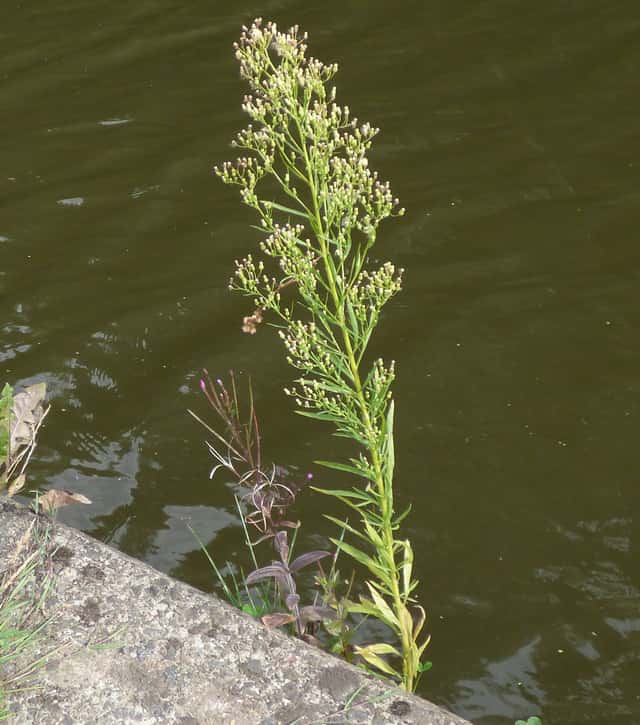
Erigeron canadensis, commonly known as horseweed or Canadian fleabane, is an annual flowering plant in the Asteraceae family, native to most of North America and Central America. It has become one of the most widely distributed weeds worldwide, naturalizing across Eurasia, Australia, and beyond. The plant features erect stems up to 1.5 m tall, narrow leaves, and terminal panicles of small white and yellow flower heads. Historically used by Native American peoples for medicinal purposes, horseweed is also notable as the first weed species to develop resistance to the herbicide glyphosate.
How Big Does Horseweed Grow?
TLDR: Horseweed can reach up to 1.5m tall with Fast growth rate.
Max height
1.5m
Spread
60cm
Growth rate
Fast
Foliage
Deciduous
Warning: Toxic Plant
This plant can be toxic if ingested. Keep out of reach of:
Plant Uses
Medicinal
Medicinal properties
Ground Cover
Soil coverage
Medicinal Uses
- Astringent for treating diarrhea and dysentery
- Diuretic in traditional folk medicine
- Treatment of hemorrhoids in Native American ethnobotany
- Antispasmodic for menstrual cramps
- Vermifuge in traditional herbal practice
Is your plant showing symptoms?
Click on the symptom to discover possible causes:
What Diseases Commonly Affect Horseweed?
TLDR: Horseweed is susceptible to 6 known diseases. Monitor regularly for early detection.
Aphids
Aphids are small, soft-bodied, pear-shaped insects (1/16 to 1/8 inch long) that feed by sucking nutrient-rich sap from plants. They reproduce rapidly and can quickly weaken plants, causing distorted growth and transmitting plant viruses. Aphids come in various colors including green, black, red, yellow, brown, and gray. They secrete honeydew, a sticky substance that attracts ants and encourages sooty mold growth.
Spider Mites
Spider mites are tiny arachnids (less than 1/20 inch long) related to spiders and ticks that feed on plant sap. They thrive in hot, dry conditions and can cause significant damage to ornamental and vegetable plants. During severe infestations, crop losses can reach 14% or higher as these pests disrupt vital plant processes including photosynthesis, carbon dioxide absorption, and transpiration.
Mosaic Virus
Mosaic virus is a group of plant viruses that cause mottled, patchy patterns on leaves and can affect a wide variety of plants. The virus creates characteristic yellow, white, and green mosaic patterns, often accompanied by stunted growth and deformed plant parts. This highly contagious disease spreads rapidly through insect vectors and contaminated tools.
Leaf Spot
Leaf spot is a common fungal disease caused by various pathogens including Alternaria, Ascochyta, Colletotrichum, Septoria, and Venturia. It primarily affects leaves, causing discolored spots that can lead to premature leaf drop if left untreated.
Meaning & Symbolism
Horseweed is a symbol of resilience and pioneer spirit — its ability to colonize disturbed landscapes represents nature's tenacity in reclaiming degraded spaces.
Fun Facts
Horseweed was the first weed in the world to develop resistance to glyphosate (Roundup), first documented in Delaware in 2001 — a major milestone in agricultural history.
A single horseweed plant can produce up to 200,000 seeds, each equipped with a feathery pappus for wind dispersal — similar to a dandelion but far more prolific.
The Zuni people of the American Southwest used crushed horseweed flowers as a nasal anesthetic to relieve rhinitis and congestion.
Despite its "weed" reputation, horseweed is a valuable late-season nectar and pollen source for native bees and other pollinators.
The genus name Erigeron derives from the Greek "eri" (early) and "geron" (old man), referring to the white fluffy seed heads that resemble white hair.
Frequently asked questions
Is horseweed toxic to pets?
Can horseweed be grown in a pot?
Does horseweed have real medicinal value?
Compare with similar plants
| Attribute | Difficulty | Light | Watering | Pet Safe |
|---|---|---|---|---|
| Field Maple | Easy | Bright indirect | 14d | ✓ |
| Silver Birch | Easy | Direct sun | 14d | ✓ |
| Cushion Bush | Easy | Direct sun | 14d | ✓ |
| Wild Lettuce | Medium | Direct sun | 7d | ⚠️ |





