Fabaceae
Scotch Laburnum — Stunning Spring Blooms with Severe Toxicity
Laburnum alpinum
Low-maintenance ornamental tree. Water every 10 days, allowing soil to dry slightly between waterings. Plant in full sun in well-drained soil. Prune after flowering to maintain shape. Avoid waterlogged conditions which cause root rot. Remove seed pods promptly to prevent accidental ingestion and self-seeding.
Every 10 days
Bright indirect
-20° - 30°C
40% - 70%
Categories
What is Scotch laburnum?
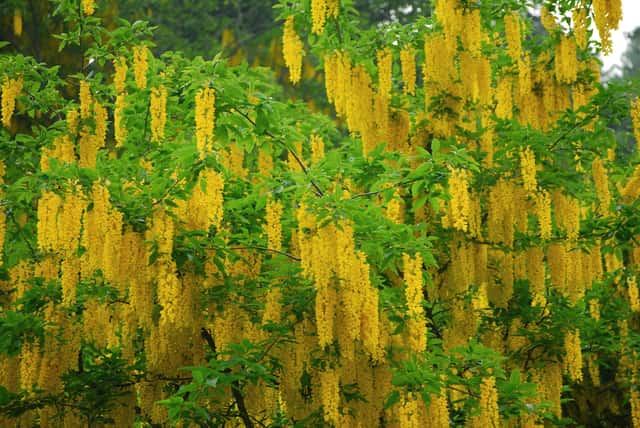
Scotch laburnum (Laburnum alpinum) is a medium-care plant from the Fabaceae family. Laburnum alpinum, commonly known as Scotch laburnum or Alpine golden chain, is a small deciduous tree in the family Fabaceae, native to the mountains of central and southern Europe. It is celebrated for its exceptionally long, pendulous racemes of fragrant yellow flowers in late spring. IMPORTANT: A...
Scotch laburnum grows up to 5.0m, spread of 600cm, watering every 10 days, -20°C – 30°C, 40–70% humidity. It is not suitable for indoor environments and not safe for pets.
Without precautions, ingestion can cause irritation in pets. Keep out of reach of cats and dogs.
How to Care for Scotch laburnum?
TLDR: Scotch laburnum needs Bright indirect, watering every 10 days, and temperatures between -20-30°C with 40-70% humidity.
How Often Should You Water Scotch laburnum?
Water every 10 days. Allow the top layer of soil to dry between waterings. Highly sensitive to waterlogging — never allow roots to sit in standing water.
How Much Light Does Scotch laburnum Need?
Full sun preferred (6+ hours daily). Tolerates partial shade but flowers best in full sun exposure. Benefits from afternoon shade in hot climates.
What Is the Best Soil for Scotch laburnum?
Well-drained soil, slightly acidic to neutral (pH 5.5–7.5). Tolerates heavy clay and poor limestone soils provided drainage is adequate.
What Pot Should You Use for Scotch laburnum?
Large outdoor planter or open garden bed; not suitable for indoor cultivation
What Is Scotch laburnum and Where Does It Come From?
Laburnum alpinum, commonly known as Scotch laburnum or Alpine golden chain, is a small deciduous tree in the family Fabaceae, native to the mountains of central and southern Europe. It is celebrated for its exceptionally long, pendulous racemes of fragrant yellow flowers in late spring. IMPORTANT: All parts of the plant are severely toxic due to the alkaloid cytisine, particularly the seeds, which can cause life-threatening poisoning in humans, dogs, cats, and horses.
How Big Does Scotch laburnum Grow?
TLDR: Scotch laburnum can reach up to 5.0m tall with Fast growth rate.
Max height
5.0m
Spread
6.0m
Growth rate
Fast
Foliage
Deciduous
Warning: Toxic Plant
This plant can be toxic if ingested. Keep out of reach of:
Plant Uses
Ornamental
Great for decoration
Is your plant showing symptoms?
Click on the symptom to discover possible causes:
What Diseases Commonly Affect Scotch laburnum?
TLDR: Scotch laburnum is susceptible to 9 known diseases. Monitor regularly for early detection.
Aphids
Aphids are small, soft-bodied, pear-shaped insects (1/16 to 1/8 inch long) that feed by sucking nutrient-rich sap from plants. They reproduce rapidly and can quickly weaken plants, causing distorted growth and transmitting plant viruses. Aphids come in various colors including green, black, red, yellow, brown, and gray. They secrete honeydew, a sticky substance that attracts ants and encourages sooty mold growth.
Mealybugs
Mealybugs are small, soft-bodied insects covered with a white, waxy, cottony material. They are common pests of houseplants and outdoor plants in mild climates. These sap-sucking insects feed on plant tissue, causing damage, stunted growth, and can lead to plant death if left untreated. They produce sticky honeydew which attracts sooty mold.
Leaf Spot
Leaf spot is a common fungal disease caused by various pathogens including Alternaria, Ascochyta, Colletotrichum, Septoria, and Venturia. It primarily affects leaves, causing discolored spots that can lead to premature leaf drop if left untreated.
Canker
Canker is a disease caused by various fungi and bacteria that create necrotic, sunken areas on bark of branches, stems, and trunks. Pathogens enter through wounds and natural openings, especially when plants are stressed. Canker can gradually weaken or kill branches by disrupting water and nutrient flow.
Meaning & Symbolism
Symbol of deceptive beauty — radiant golden blossoms conceal deadly toxins; associated with fleeting spring beauty and hidden danger.
Fun Facts
All parts of Scotch laburnum contain cytisine, a nicotinic alkaloid — even a handful of seeds can cause severe poisoning requiring emergency care.
Scotch laburnum's flower racemes can reach up to 40 cm (16 inches) long — significantly longer than those of Common laburnum (L. anagyroides).
As a member of the Fabaceae family, it fixes atmospheric nitrogen through symbiotic root bacteria, naturally enriching the soil.
It is highly tolerant of urban pollution and strong winds, making it a resilient choice for city gardens.
The dense, hard timber was historically prized for woodturning and making musical instruments.
Frequently asked questions
Is Scotch laburnum safe to grow in a garden with children or pets?
When does Scotch laburnum bloom?
How tall does Scotch laburnum grow?
What is the difference between Scotch laburnum and Common laburnum?
Compare with similar plants
| Attribute | Difficulty | Light | Watering | Pet Safe |
|---|---|---|---|---|
| Azalea | Medium | Partial shade | 3d | ⚠️ |
| Wild Lettuce | Medium | Direct sun | 7d | ⚠️ |
| Cape Primrose | Medium | Partial shade | 7d | ✓ |
| Turnip | Medium | Direct sun | 3d | ✓ |