Asteraceae
Creeping Zinnia: Ground Cover Plant
Sanvitalia procumbens
Give it full sun, well-drained soil, and modest weekly water. It thrives on neglect once established and rewards you with nonstop flowers through the warm months.
Every 7 days
Direct sun
2° - 38°C
% - %
Categories
What is Creeping Zinnia?
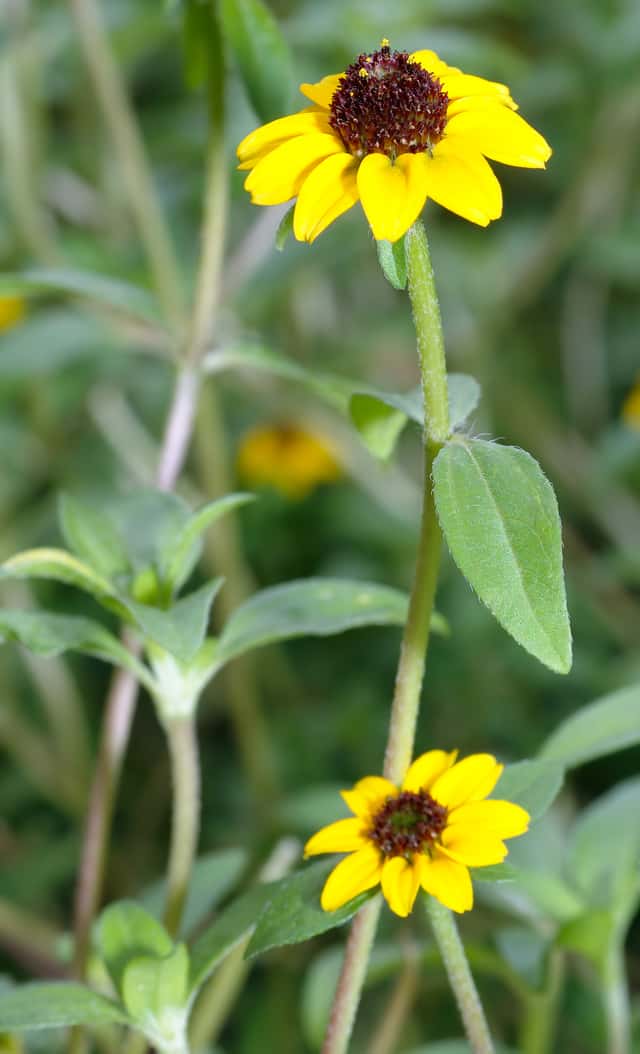
Creeping Zinnia (Sanvitalia procumbens) is a easy-care plant from the Asteraceae family. A low, mat-forming annual from Mexico and Guatemala prized for its cheerful yellow-orange, daisy-like flowers with dark purple-brown centers. It spreads 30-50cm wide but stays under 15cm tall, making it a favorite for ground cover, rock gardens, hanging baskets, and border edging. Blooms continuousl...
Creeping Zinnia grows up to 15cm, spread of 50cm, watering every 7 days, 2°C – 38°C. It is not suitable for indoor environments and safe for pets.
Unlike many tropical plants, Creeping Zinnia tolerates watering mistakes. Best for beginners. Unlike many popular species, Creeping Zinnia is safe to keep around pets.
How to Care for Creeping Zinnia?
TLDR: Creeping Zinnia needs Direct sun, watering every 7 days, and temperatures between 2-38°C with 40-70% humidity.
How Often Should You Water Creeping Zinnia?
Water about once a week, roughly 2-3cm of water, letting the soil dry slightly between waterings. It is drought-tolerant and waterlogged soil will quickly cause rot, so err on the dry side.
How Much Light Does Creeping Zinnia Need?
Needs full sun - at least 6 hours of direct light daily. In very hot climates light afternoon shade is tolerated but flowering will be reduced.
What Is the Best Soil for Creeping Zinnia?
Prefers light, well-draining soil (sandy or loamy); tolerates poor and chalky soils but hates standing water.
What Pot Should You Use for Creeping Zinnia?
Shallow, wide containers or hanging baskets that let the trailing stems spill over the edge; ensure drainage holes.
Care Schedule
Fertilize
Every 30 days
What Is Creeping Zinnia and Where Does It Come From?
A low, mat-forming annual from Mexico and Guatemala prized for its cheerful yellow-orange, daisy-like flowers with dark purple-brown centers. It spreads 30-50cm wide but stays under 15cm tall, making it a favorite for ground cover, rock gardens, hanging baskets, and border edging. Blooms continuously from midsummer until the first frost with almost no maintenance.
How to Propagate Creeping Zinnia?
Seed sowing
- Sow seeds where they are to grow - the plant resents root disturbance and transplants poorly
- Press seeds into the soil surface; do not cover, they need light to germinate
- Keep at 24-27C until germination, then reduce to about 21C
- 1 Prepare soil
Loosen well-draining soil in full sun after the last frost date.
- 2 Sow seed
Press seeds onto the soil surface 20-30cm apart; do not bury them.
- 3 Germinate
Keep evenly moist; seeds sprout in 7-14 days at around 20-27C.
- 4 Thin seedlings
Once seedlings have 4-6 leaves, thin to final spacing.
Materials needed:
How Big Does Creeping Zinnia Grow?
TLDR: Creeping Zinnia can reach up to 15cm tall with Fast growth rate.
Max height
15cm
Spread
50cm
Growth rate
Fast
Foliage
Deciduous
Plant Uses
Ornamental
Great for decoration
Ground Cover
Soil coverage
Is your plant showing symptoms?
Click on the symptom to discover possible causes:
What Diseases Commonly Affect Creeping Zinnia?
TLDR: Creeping Zinnia is susceptible to 2 known diseases. Monitor regularly for early detection.
Aphids
Aphids are small, soft-bodied, pear-shaped insects (1/16 to 1/8 inch long) that feed by sucking nutrient-rich sap from plants. They reproduce rapidly and can quickly weaken plants, causing distorted growth and transmitting plant viruses. Aphids come in various colors including green, black, red, yellow, brown, and gray. They secrete honeydew, a sticky substance that attracts ants and encourages sooty mold growth.
Southern Blight
Southern blight is a devastating soilborne fungal disease caused by Athelia rolfsii (formerly Sclerotium rolfsii), affecting over 500 plant species including vegetables, ornamentals, and fruit crops. The fungus survives in soil through resting structures called sclerotia that resemble mustard seeds and can remain viable for years.
Compare with similar plants
| Attribute | Difficulty | Light | Watering | Pet Safe |
|---|---|---|---|---|
| Field Maple | Easy | Bright indirect | 14d | ✓ |
| Silver Birch | Easy | Direct sun | 14d | ✓ |
| Cushion Bush | Easy | Direct sun | 14d | ✓ |
| Wild Lettuce | Medium | Direct sun | 7d | ⚠️ |





