Rhamnaceae
Black Ironwood: Pet-Safe Plant
Krugiodendron ferreum
An extremely hardy and slow-growing plant that prefers full sun and well-drained soils. Once established, it can withstand long periods of drought.
Every 10 days
Bright indirect
15° - 38°C
40% - 80%
Categories
What is Black Ironwood?
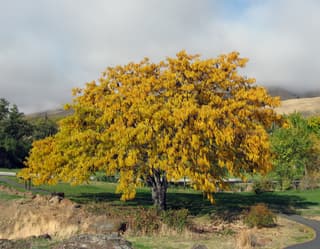
Black Ironwood (Krugiodendron ferreum) is a medium-care plant from the Rhamnaceae family. Krugiodendron ferreum, known as Black Ironwood, is an evergreen tree notable for having one of the densest and heaviest woods in the world, capable of sinking in water. Native to the West Indies, South Florida, and Central America, it features deep, glossy green oval leaves arranged oppositely. Its...
Black Ironwood grows up to 10.0m, spread of 500cm, watering every 10 days, 15°C – 38°C, 40–80% humidity. It is suitable for indoor environments and safe for pets.
Unlike many popular species, Black Ironwood is safe to keep around pets. Without adequate drainage, root rot can develop within 20 days.
How to Care for Black Ironwood?
TLDR: Black Ironwood needs Bright indirect, watering every 10 days, and temperatures between 15-38°C with 40-80% humidity.
How Often Should You Water Black Ironwood?
Water deeply until water runs out of the drainage holes and allow the soil to dry out almost completely before the next watering.
How Much Light Does Black Ironwood Need?
While it prefers full sun for healthy development, it tolerates partial shade, which will further slow its growth rate.
What Is the Best Soil for Black Ironwood?
It adapts well to limestone and alkaline soils, typical of coastal regions, provided the drainage is impeccable.
What Pot Should You Use for Black Ironwood?
If grown in a pot or as a bonsai, use ceramic containers with large drainage holes to prevent moisture buildup around the roots.
Care Schedule
Fertilize
Every 60 days
What Is Black Ironwood and Where Does It Come From?
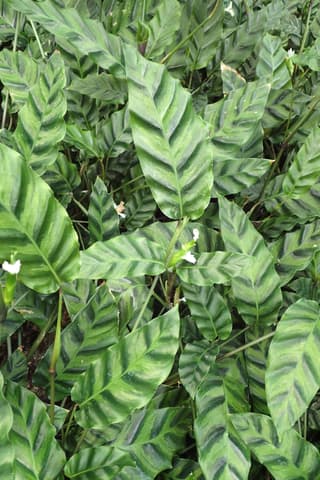
Krugiodendron ferreum, known as Black Ironwood, is an evergreen tree notable for having one of the densest and heaviest woods in the world, capable of sinking in water. Native to the West Indies, South Florida, and Central America, it features deep, glossy green oval leaves arranged oppositely. Its flowers are small, greenish-yellow, and inconspicuous, followed by small oval fruits that ripen from red to purplish-black. It is an extremely slow-growing species, making it excellent for bonsai practice or as a low-maintenance ornamental tree in tropical climates.
How to Propagate Black Ironwood?
Seed Propagation
- Fresh seeds have a significantly higher germination rate.
- Avoid burying the seeds too deeply.
- 1 Seed Collection
Harvest the fruits when they are completely black and ripe.
- 2 Cleaning
Remove the fruit pulp and clean the seed well under running water.
- 3 Planting
Sow in a light, sandy substrate, covering lightly with soil.
- 4 Maintenance
Keep the substrate moist but never waterlogged, in a warm and bright location.
Materials needed:
How Big Does Black Ironwood Grow?
TLDR: Black Ironwood can reach up to 10.0m tall with Slow growth rate.
Max height
10.0m
Spread
5.0m
Growth rate
Slow
Foliage
Evergreen
Plant Uses
Ornamental
Great for decoration
Culinary Uses
- The ripe fruits are technically edible and have a sweet flavor, but they are not widely consumed.
Is your plant showing symptoms?
Click on the symptom to discover possible causes:
Meaning & Symbolism
Due to the extreme hardness of its wood, it symbolizes unwavering strength, resilience, and longevity.
Compare with similar plants
| Attribute | Difficulty | Light | Watering | Pet Safe |
|---|---|---|---|---|
| Azalea | Medium | Partial shade | 3d | ⚠️ |
| Wild Lettuce | Medium | Direct sun | 7d | ⚠️ |
| Cape Primrose | Medium | Partial shade | 7d | ✓ |
| Honey Locust | Medium | Direct sun | 14d | ✓ |