Ulmaceae
Siberian Elm (Ulmus pumila)
Ulmus pumila
Plant in full sun in well-draining soil. Extremely low-maintenance once established; tolerates drought, poor soil, urban pollution and severe cold. Prune to remove weak or crossing branches and manage its aggressive growth and self-seeding tendency.
Every 10 days
Direct sun
-34° - 40°C
30% - 70%
Categories
What is Siberian Elm?
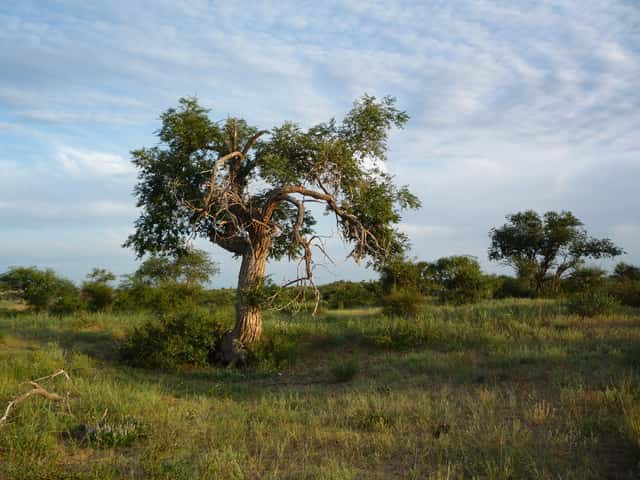
Siberian Elm (Ulmus pumila) is a easy-care plant from the Ulmaceae family. The Siberian elm (Ulmus pumila) is a hardy, fast-growing deciduous tree native to Siberia, northern China, Mongolia and the Himalayas. Prized for its extreme cold hardiness, drought tolerance and ability to thrive in poor, compacted or alkaline soils, it was widely planted across the US Great Plains...
Siberian Elm grows up to 18.0m, spread of 1500cm, watering every 10 days, -34°C – 40°C, 30–70% humidity. It is not suitable for indoor environments and safe for pets.
Unlike many tropical plants, Siberian Elm tolerates watering mistakes. Best for beginners. Unlike many popular species, Siberian Elm is safe to keep around pets.
How to Care for Siberian Elm?
TLDR: Siberian Elm needs Direct sun, watering every 10 days, and temperatures between -34-40°C with 30-70% humidity.
How Often Should You Water Siberian Elm?
Water regularly while young to establish a deep root system; once mature, it is highly drought tolerant and rarely needs supplemental watering except during prolonged dry spells.
How Much Light Does Siberian Elm Need?
Thrives in full sun; needs at least 6 hours of direct light daily for the best form and densest canopy.
What Is the Best Soil for Siberian Elm?
Highly adaptable to poor, sandy, clay or compacted soils and tolerates alkaline pH; performs best in well-draining soil but is not particular about fertility.
What Pot Should You Use for Siberian Elm?
Not typically container-grown as a landscape tree; for bonsai, use a shallow, well-draining bonsai pot with a gritty, free-draining substrate.
Care Schedule
Fertilize
Every 60 days
What Is Siberian Elm and Where Does It Come From?
The Siberian elm (Ulmus pumila) is a hardy, fast-growing deciduous tree native to Siberia, northern China, Mongolia and the Himalayas. Prized for its extreme cold hardiness, drought tolerance and ability to thrive in poor, compacted or alkaline soils, it was widely planted across the US Great Plains for windbreaks and shelterbelts in the 20th century. It is notably resistant to Dutch elm disease, unlike most other elms, but its rapid growth produces weak, brittle wood prone to storm damage, and it remains vulnerable to elm leaf beetle and bark beetle infestations. In many US states it has escaped cultivation and is now classified as an invasive or noxious weed due to its prolific self-seeding. Its small leaves and tolerance of heavy pruning also make it a popular, if fast-growing, choice for bonsai.
How to Propagate Siberian Elm?
Seed propagation
Seeds are viable for only a short window after ripening in late spring, so sow fresh seed promptly for best results.
- 1 Collect samaras (winged seeds) as soon as they ripen and turn tan, since viability drops quickly
- 2 Sow immediately in moist, well-draining soil as elm seed does not store well
- 3 Keep soil consistently moist until germination
- 4 Transplant seedlings once they have 2-3 true leaves
Materials needed:
Softwood cutting
Bottom heat and a humidity dome improve rooting success.
- 1 Take softwood cuttings in early summer from healthy new growth
- 2 Dip cut end in rooting hormone
- 3 Insert into a moist, well-draining rooting medium
- 4 Keep humid and out of direct sun until roots form
Materials needed:
How Big Does Siberian Elm Grow?
TLDR: Siberian Elm can reach up to 18.0m tall with Fast growth rate.
Max height
18.0m
Spread
15.0m
Growth rate
Fast
Foliage
Deciduous
Plant Uses
Ornamental
Great for decoration
Is your plant showing symptoms?
Click on the symptom to discover possible causes:
What Diseases Commonly Affect Siberian Elm?
TLDR: Siberian Elm is susceptible to 5 known diseases. Monitor regularly for early detection.
Black Spot
Black spot is the most serious fungal disease affecting roses, caused by the fungus Diplocarpon rosae. It is characterized by dark circular spots on leaves that progress to yellowing and premature leaf drop. The disease thrives in humid and cool conditions, especially early in the growing season.
Powdery Mildew
Powdery mildew is a common fungal disease caused by various fungi species including Erysiphe, Podosphaera, Oïdium, and Leveillula. It affects over 10,000 plant species worldwide. The disease thrives in warm, dry climates with high humidity and appears as a distinctive white powdery coating on plant surfaces.
Canker
Canker is a disease caused by various fungi and bacteria that create necrotic, sunken areas on bark of branches, stems, and trunks. Pathogens enter through wounds and natural openings, especially when plants are stressed. Canker can gradually weaken or kill branches by disrupting water and nutrient flow.
Scale Insects
Scale insects are small sap-sucking pests that appear as brown, shell-like bumps on plant stems and leaves. There are over 25 species, divided into armored (hard) and unarmored (soft) scales. They feed by piercing plant tissue and extracting sap, which weakens the plant and can lead to yellowing, stunted growth, and even death if left untreated. They also excrete honeydew, which attracts ants and promotes sooty mold growth.
Meaning & Symbolism
Symbol of resilience, endurance and adaptability, valued for surviving where few other trees can
Fun Facts
Despite its common name, Siberian elm is also native to northern China, Mongolia and the Himalayas, not just Siberia.
It is one of the most cold-hardy elms, tolerating winter temperatures down to roughly -34C (USDA zone 4).
Unlike most elms, it shows strong natural resistance to Dutch elm disease.
It was planted extensively as a windbreak tree across the US Great Plains during the Dust Bowl era.
Frequently asked questions
Is Siberian elm invasive?
Is Siberian elm resistant to Dutch elm disease?
How fast does Siberian elm grow?
Can Siberian elm be grown as bonsai?
Compare with similar plants
| Attribute | Difficulty | Light | Watering | Pet Safe |
|---|---|---|---|---|
| Field Maple | Easy | Bright indirect | 14d | ✓ |
| Silver Birch | Easy | Direct sun | 14d | ✓ |
| Cushion Bush | Easy | Direct sun | 14d | ✓ |
| Peruvian peppertree | Easy | Direct sun | 14d | ⚠️ |