Poaceae
Arrow Bamboo: Complete Growing Guide
Pseudosasa japonica
Plant in full sun to partial shade in moist, well-drained soil. Water regularly to keep the soil evenly moist. Tolerates heavy frosts down to -15°C. Grows vigorously in spring with new culms emerging rapidly. Occasional pruning helps control spread and maintain ornamental appearance.
Every 5 days
Partial shade
-15° - 35°C
40% - 70%
Categories
What is Arrow Bamboo?
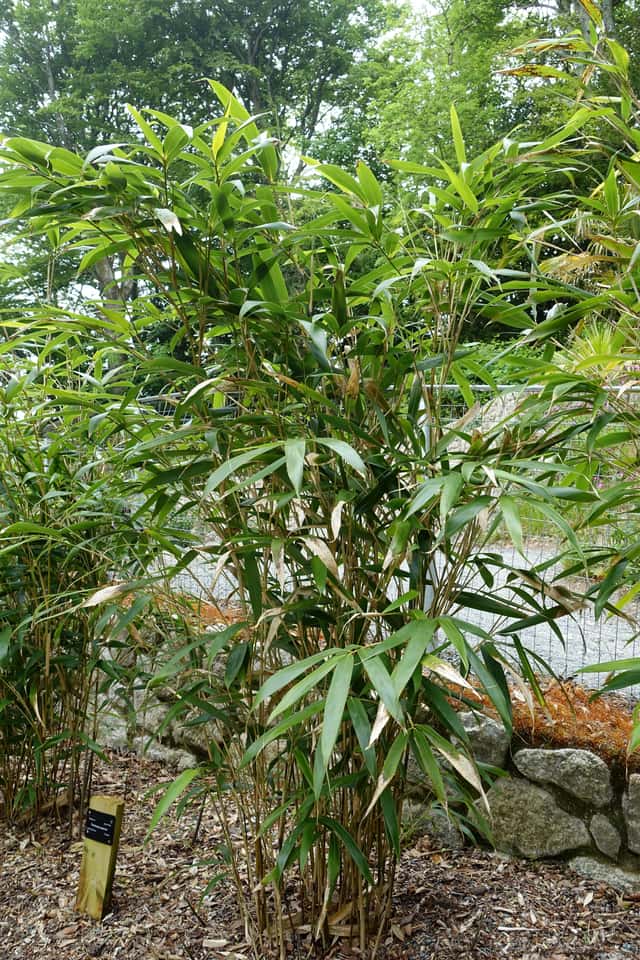
Arrow Bamboo (Pseudosasa japonica) is a easy-care plant from the Poaceae family. Arrow Bamboo (Pseudosasa japonica) is a temperate bamboo species native to Japan and Korea. It forms dense thickets of upright, slender culms covered with long, glossy dark-green leaves that can reach 30 cm in length. It is one of the most widely cultivated bamboo species in temperate gardens worldw...
Arrow Bamboo grows up to 4.9m, spread of 760cm, watering every 5 days, -15°C – 35°C, 40–70% humidity. It is not suitable for indoor environments and safe for pets.
Unlike many tropical plants, Arrow Bamboo tolerates watering mistakes. Best for beginners. Unlike many popular species, Arrow Bamboo is safe to keep around pets.
How to Care for Arrow Bamboo?
TLDR: Arrow Bamboo needs Partial shade, watering every 5 days, and temperatures between -15-35°C with 40-70% humidity.
How Often Should You Water Arrow Bamboo?
Water every 5 days on average, keeping the soil consistently moist but never waterlogged. Increase frequency during hot weather. This bamboo does not tolerate prolonged drought — rolled or curling leaves indicate water stress.
How Much Light Does Arrow Bamboo Need?
Prefers full sun to partial shade. In hot climates, afternoon shade protects leaves from scorching. Tolerates deeper shade than most bamboos, making it suitable for woodland edges.
What Is the Best Soil for Arrow Bamboo?
Thrives in loamy, well-drained soil rich in organic matter. Prefers a slightly acidic to neutral pH (5.5–7.0). Adapts to clay and sandy soils as long as drainage is adequate.
What Pot Should You Use for Arrow Bamboo?
Large fiber cement or treated wood container for patio growing; for garden planting, install rhizome barriers in polyethylene to control spread.
Care Schedule
Fertilize
Every 60 days
Misting
Every 7 days
What Is Arrow Bamboo and Where Does It Come From?
Arrow Bamboo (Pseudosasa japonica) is a temperate bamboo species native to Japan and Korea. It forms dense thickets of upright, slender culms covered with long, glossy dark-green leaves that can reach 30 cm in length. It is one of the most widely cultivated bamboo species in temperate gardens worldwide, prized for its elegant foliage and exceptional cold hardiness.
How to Propagate Arrow Bamboo?
Rhizome division
Divide in early spring before new shoots emerge. Keep sections moist throughout the process to avoid stressing the roots.
- 1 Dig up a section of rhizome with at least 2-3 culms in late winter or early spring
- 2 Cut the rhizome with a sharp spade or saw ensuring each section has active roots
- 3 Transplant immediately to the permanent location or large container with rich, moist soil
- 4 Water thoroughly after planting and keep soil moist for the first few weeks
Materials needed:
How Big Does Arrow Bamboo Grow?
TLDR: Arrow Bamboo can reach up to 4.9m tall with Fast growth rate.
Max height
4.9m
Spread
7.6m
Growth rate
Fast
Foliage
Evergreen
Plant Uses
Ornamental
Great for decoration
Ground Cover
Soil coverage
Medicinal Uses
- Used in traditional Asian medicine as an anthelmintic, tonic and stimulant; leaves and shoots used in decoctions for asthma, coughs, and stomach complaints
Culinary Uses
- Young shoots harvested in spring are edible when cooked; slightly bitter flavor that improves with boiling and water changes
Is your plant showing symptoms?
Click on the symptom to discover possible causes:
What Diseases Commonly Affect Arrow Bamboo?
TLDR: Arrow Bamboo is susceptible to 8 known diseases. Monitor regularly for early detection.
Rust
Rust is a common fungal disease caused by fungi in the order Pucciniales that affects a wide variety of plants. The disease gets its name from the characteristic orange, yellow, or reddish-brown pustules that appear on leaves, resembling metal rust. This obligate fungal parasite requires living plants to survive and can cause significant economic losses in agricultural crops.
Leaf Spot
Leaf spot is a common fungal disease caused by various pathogens including Alternaria, Ascochyta, Colletotrichum, Septoria, and Venturia. It primarily affects leaves, causing discolored spots that can lead to premature leaf drop if left untreated.
Root Rot
Root rot is a serious fungal disease that affects the root system of plants, causing them to decay and die. It is primarily caused by overwatering, poor drainage, or soil-borne fungi such as Pythium, Phytophthora, Rhizoctonia, and Fusarium. The disease thrives in waterlogged conditions where roots are deprived of oxygen, making them susceptible to fungal infection.
Spider Mites
Spider mites are tiny arachnids (less than 1/20 inch long) related to spiders and ticks that feed on plant sap. They thrive in hot, dry conditions and can cause significant damage to ornamental and vegetable plants. During severe infestations, crop losses can reach 14% or higher as these pests disrupt vital plant processes including photosynthesis, carbon dioxide absorption, and transpiration.
Meaning & Symbolism
In Japan, arrow bamboo symbolizes resilience, flexibility, and longevity. Its straight culms represent integrity and the ability to bend without breaking under pressure.
Fun Facts
Arrow Bamboo is one of the most cold-hardy bamboos in the world, surviving temperatures down to -15°C
Young Arrow Bamboo culms can grow up to 4 cm per day during the spring growth surge
In Japanese culture, bamboo is one of the 'Three Friends of Winter' alongside pine and plum, symbolizing perseverance
Its long, elegant leaves were traditionally used in Japan for wrapping food and making handicrafts
Frequently asked questions
Is Arrow Bamboo invasive?
How often should I water Arrow Bamboo?
How cold-hardy is Arrow Bamboo?
Can I grow Arrow Bamboo in a container?
Compare with similar plants
| Attribute | Difficulty | Light | Watering | Pet Safe |
|---|---|---|---|---|
| Field Maple | Easy | Bright indirect | 14d | ✓ |
| Silver Birch | Easy | Direct sun | 14d | ✓ |
| Cushion Bush | Easy | Direct sun | 14d | ✓ |
| Peruvian peppertree | Easy | Direct sun | 14d | ⚠️ |





