Malvaceae
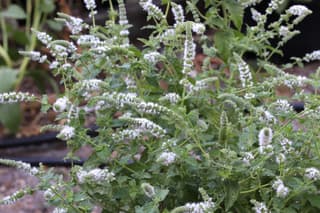
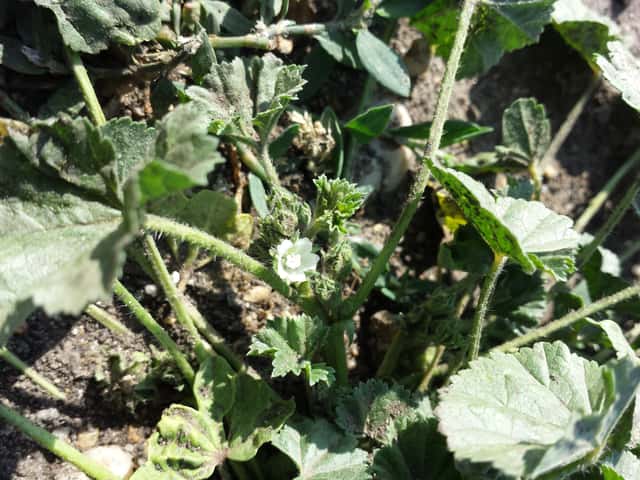
Low Mallow (Malva pusilla)
Malva pusilla
Low Mallow is easy to grow in a sunny spot with well-draining loamy soil. Water moderately, allowing the soil to partially dry between waterings. It is cold-hardy and tolerates a wide range of soil types. Watch for rust fungus and slugs. Seeds sow readily and the plant establishes quickly.
Every 7 days
Direct sun
-5° - 30°C
30% - 60%
Categories
What is Low Mallow?
Low Mallow (Malva pusilla) is a easy-care plant from the Malvaceae family. Malva pusilla, commonly known as Low Mallow or Small Mallow, is a fast-growing annual herb in the Malvaceae family. Native to temperate Eurasia, it produces small pale pink to white five-petalled flowers from spring through autumn. Its rounded, lobed leaves and creeping stems make it a distinctive g...
Low Mallow grows up to 50cm, spread of 40cm, watering every 7 days, -5°C – 30°C, 30–60% humidity. It is not suitable for indoor environments and safe for pets.
Unlike many tropical plants, Low Mallow tolerates watering mistakes. Best for beginners. Unlike many popular species, Low Mallow is safe to keep around pets.
How to Care for Low Mallow?
TLDR: Low Mallow needs Direct sun, watering every 7 days, and temperatures between -5-30°C with 30-60% humidity.
How Often Should You Water Low Mallow?
Water every 7 days or when the top inch of soil feels dry. Avoid waterlogging, which can lead to root rot. The plant tolerates brief dry spells once established.
How Much Light Does Low Mallow Need?
Grow in full sun for best flowering and vigour. Low Mallow tolerates light shade but produces fewer blooms in shadier positions. Place in a south or west-facing spot for optimal growth.
What Is the Best Soil for Low Mallow?
Use well-draining loamy or sandy-loamy soil. Tolerates clay and chalky soils but performs best in moderately fertile, slightly acidic to mildly alkaline ground (pH 5.5–8.0).
What Is Low Mallow and Where Does It Come From?
Malva pusilla, commonly known as Low Mallow or Small Mallow, is a fast-growing annual herb in the Malvaceae family. Native to temperate Eurasia, it produces small pale pink to white five-petalled flowers from spring through autumn. Its rounded, lobed leaves and creeping stems make it a distinctive ground-cover plant found in gardens, roadsides, and disturbed ground.
How Big Does Low Mallow Grow?
TLDR: Low Mallow can reach up to 50cm tall with Fast growth rate.
Max height
50cm
Spread
40cm
Growth rate
Fast
Foliage
Deciduous
Plant Uses
Edible
Can be consumed
Medicinal
Medicinal properties
Ground Cover
Soil coverage
Medicinal Uses
- Demulcent — soothes inflammation of the digestive and urinary tracts
- Externally applied to soothe bruises and minor skin irritations
- Seeds used traditionally to relieve coughs, bronchitis, and hemorrhoids
Culinary Uses
- Young leaves eaten raw in salads or cooked as a pot herb
- Seeds eaten raw or cooked — mild nutty flavour
- Leaves used as a mild-flavoured vegetable in soups and stews
Is your plant showing symptoms?
Click on the symptom to discover possible causes:
What Diseases Commonly Affect Low Mallow?
TLDR: Low Mallow is susceptible to 12 known diseases. Monitor regularly for early detection.
Rust
Rust is a common fungal disease caused by fungi in the order Pucciniales that affects a wide variety of plants. The disease gets its name from the characteristic orange, yellow, or reddish-brown pustules that appear on leaves, resembling metal rust. This obligate fungal parasite requires living plants to survive and can cause significant economic losses in agricultural crops.
Powdery Mildew
Powdery mildew is a common fungal disease caused by various fungi species including Erysiphe, Podosphaera, Oïdium, and Leveillula. It affects over 10,000 plant species worldwide. The disease thrives in warm, dry climates with high humidity and appears as a distinctive white powdery coating on plant surfaces.
Root Rot
Root rot is a serious fungal disease that affects the root system of plants, causing them to decay and die. It is primarily caused by overwatering, poor drainage, or soil-borne fungi such as Pythium, Phytophthora, Rhizoctonia, and Fusarium. The disease thrives in waterlogged conditions where roots are deprived of oxygen, making them susceptible to fungal infection.
Pythium Root Rot
Pythium root rot is a serious fungal disease caused by various Pythium species including P. aphanidermatum, P. ultimum, and P. irregulare. These water molds are present in practically all cultivated soils and attack plant roots under wet conditions, causing rapid wet rot that can extend into the stem. The disease is favored by poor drainage, overwatering, and specific temperatures depending on the species.
Fun Facts
Low Mallow was historically called "cheesepants" due to the round cheese-wheel shape of its seed clusters.
The plant can provide cream, yellow, and green natural dyes.
Its deep taproot makes it very drought-resilient once established.
Frequently asked questions
Is Low Mallow edible?
Is Low Mallow invasive?
What are the main pests of Low Mallow?
Compare with similar plants
| Attribute | Difficulty | Light | Watering | Pet Safe |
|---|---|---|---|---|
| Field Maple | Easy | Bright indirect | 14d | ✓ |
| Silver Birch | Easy | Direct sun | 14d | ✓ |
| Cushion Bush | Easy | Direct sun | 14d | ✓ |
| Peruvian peppertree | Easy | Direct sun | 14d | ⚠️ |