Blechnaceae
Soft Water Fern – Complete Care Guide for Blechnum minus
Blechnum minus
Keep soil consistently moist in a shaded position. Maintain high humidity and avoid direct sunlight. Water every 7 days and mist fronds regularly to prevent tip browning. Repot every 2 years into fresh peaty mix.
Every 7 days
Low light
5° - 25°C
60% - 90%
Categories
What is Soft Water Fern?
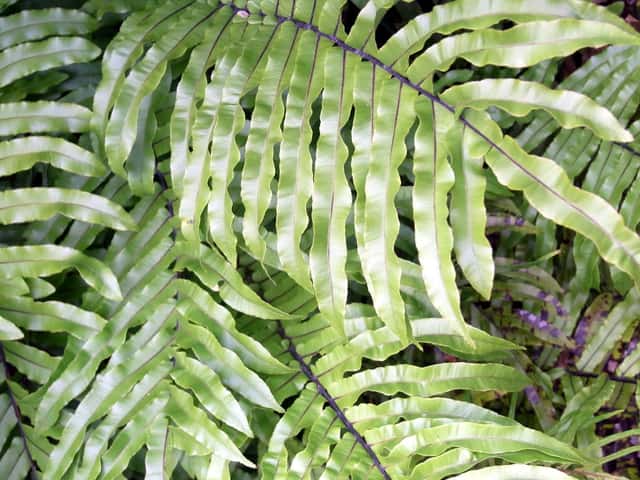
Soft Water Fern (Blechnum minus) is a medium-care plant from the Blechnaceae family. Blechnum minus, commonly known as the Soft Water Fern, is a beautiful shade-loving terrestrial fern native to Australia, New Zealand, and Tasmania. It thrives in moist, riparian environments along creek banks and sheltered forest floors, forming dense, bushy clumps of glossy green fronds that reach...
Soft Water Fern grows up to 70cm, spread of 50cm, watering every 7 days, 5°C – 25°C, 60–90% humidity. It is suitable for indoor environments and safe for pets.
Unlike many popular species, Soft Water Fern is safe to keep around pets. Without adequate drainage, root rot can develop within 14 days.
How to Care for Soft Water Fern?
TLDR: Soft Water Fern needs Low light, watering every 7 days, and temperatures between 5-25°C with 60-90% humidity.
How Often Should You Water Soft Water Fern?
Water every 7 days, keeping the soil evenly moist at all times. Blechnum minus is highly sensitive to drought — never allow the soil to dry out completely. Check moisture at the top inch of soil before watering.
How Much Light Does Soft Water Fern Need?
Place in full to partial shade — less than 500–2000 lux. Avoid any direct sunlight, which scorches the fronds. A north-facing spot indoors or under a tree canopy outdoors is ideal.
What Is the Best Soil for Soft Water Fern?
Use a peaty, moisture-retentive, slightly acidic soil (pH 5.5–6.5). Adding perlite or coarse sand improves drainage while retaining sufficient moisture. Avoid heavy clay or compacted soils.
What Pot Should You Use for Soft Water Fern?
Glazed ceramic or plastic pot with drainage holes. Terracotta dries out too quickly for this moisture-loving fern.
Care Schedule
Fertilize
Every 90 days
Misting
Every 3 days
Repot
Every 730 days
What Is Soft Water Fern and Where Does It Come From?
Blechnum minus, commonly known as the Soft Water Fern, is a beautiful shade-loving terrestrial fern native to Australia, New Zealand, and Tasmania. It thrives in moist, riparian environments along creek banks and sheltered forest floors, forming dense, bushy clumps of glossy green fronds that reach 40–70 cm in length. As a member of the Blechnaceae family (synonyms: Lomaria minus, Parablechnum minus), it is a slow-growing evergreen fern prized for its graceful, arching fronds and adaptability to shaded garden positions.
How to Propagate Soft Water Fern?
Spore propagation
Spore propagation is slow and requires sterile conditions. Division of rootstock offsets is much easier for home gardeners.
- 1 Collect spores from mature fertile fronds in late summer
- 2 Sow onto moist, sterilised peat-based compost in a covered tray
- 3 Keep at 18–22°C in bright, indirect light until prothalli develop
- 4 Prick out young ferns once large enough to handle
Materials needed:
Root division
Division is best done in spring when the plant is actively growing. Keep divisions well-watered and out of direct sun.
- 1 Carefully lift the plant and divide the rhizome with a clean knife
- 2 Ensure each division has at least 2–3 healthy fronds and roots
- 3 Pot into moist peaty mix and keep in a sheltered, humid spot
Materials needed:
How Big Does Soft Water Fern Grow?
TLDR: Soft Water Fern can reach up to 70cm tall with Slow growth rate.
Max height
70cm
Spread
50cm
Growth rate
Slow
Foliage
Evergreen
Plant Uses
Ornamental
Great for decoration
Ground Cover
Soil coverage
Is your plant showing symptoms?
Click on the symptom to discover possible causes:
What Diseases Commonly Affect Soft Water Fern?
TLDR: Soft Water Fern is susceptible to 10 known diseases. Monitor regularly for early detection.
Root Rot
Root rot is a serious fungal disease that affects the root system of plants, causing them to decay and die. It is primarily caused by overwatering, poor drainage, or soil-borne fungi such as Pythium, Phytophthora, Rhizoctonia, and Fusarium. The disease thrives in waterlogged conditions where roots are deprived of oxygen, making them susceptible to fungal infection.
Overwatering
Overwatering occurs when plants receive too much water, depriving roots of oxygen and causing root rot. This environmental stress is one of the most common causes of houseplant death, as waterlogged soil prevents roots from breathing and functioning properly.
Low Humidity Stress
Low humidity stress occurs when indoor air becomes too dry, causing plants to lose moisture faster than they can absorb it through their roots. This is especially common during winter heating periods, near radiators and heating vents, or in air-conditioned spaces. Tropical plants are particularly susceptible to low humidity damage.
Leaf Spot
Leaf spot is a common fungal disease caused by various pathogens including Alternaria, Ascochyta, Colletotrichum, Septoria, and Venturia. It primarily affects leaves, causing discolored spots that can lead to premature leaf drop if left untreated.
Meaning & Symbolism
A symbol of tranquility, cool waterways, and the lush Australian bushland understory.
Fun Facts
Blechnum minus is also classified under the genus Parablechnum in modern taxonomy
Its fertile fronds are much more slender than the sterile ones — a striking feature called frond dimorphism
In the wild it grows along creek banks and in wet forest gullies across southeast Australia and New Zealand
New fronds emerge as a coppery-pink colour before maturing to glossy green
Frequently asked questions
How often should I water my Soft Water Fern?
Can Soft Water Fern grow indoors?
Is Blechnum minus toxic to pets?
What soil does Blechnum minus need?
Why are the frond tips turning brown?
Compare with similar plants
| Attribute | Difficulty | Light | Watering | Pet Safe |
|---|---|---|---|---|
| Dark Fieldcap | Medium | Low light | 2d | ⚠️ |
| Azalea | Medium | Partial shade | 3d | ⚠️ |
| Bougainvillea | Medium | Direct sun | 7d | ⚠️ |
| Wild Lettuce | Medium | Direct sun | 7d | ⚠️ |



