Celastraceae
Burning Bush (Euonymus alatus) Care Guide
Euonymus alatus
An easy-care, cold-hardy shrub that wants full sun for the best fall color, average water, and well-drained soil. Established plants shrug off short dry spells but resent waterlogged roots.
Every 14 days
Bright indirect
° - °C
% - %
Categories
What is Burning Bush?
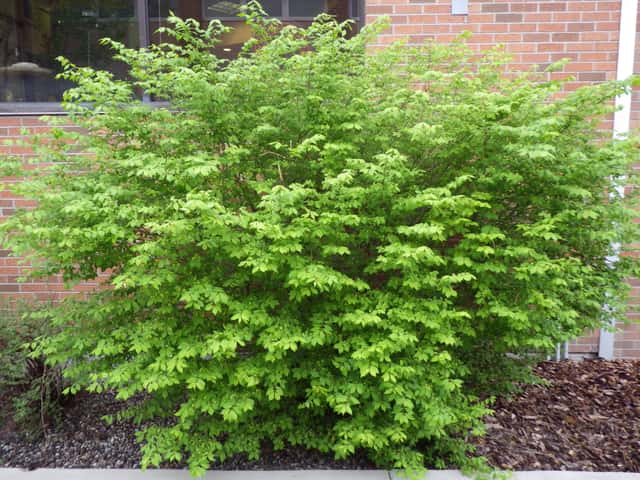
Burning Bush (Euonymus alatus) is a easy-care plant from the Celastraceae family. Burning bush (Euonymus alatus) is a deciduous shrub native to Siberia, China, Japan and Korea, prized for the corky "wings" that run along its stems and for foliage that turns a brilliant scarlet-red every autumn. It grows into a rounded, medium-textured mound 4.5-6 m tall and wide at maturity, with...
Burning Bush grows up to 6.0m, spread of 600cm, watering every 14 days. It is not suitable for indoor environments and not safe for pets.
Unlike many tropical plants, Burning Bush tolerates watering mistakes. Best for beginners. Without precautions, ingestion can cause irritation in pets. Keep out of reach of cats and dogs.
How to Care for Burning Bush?
TLDR: Burning Bush needs Bright indirect, watering every 14 days, and temperatures between 15-30°C with 40-70% humidity.
How Often Should You Water Burning Bush?
Water deeply and regularly for the first growing season while roots establish, then taper off - mature plants are fairly drought tolerant and only need supplemental water during prolonged dry spells. Avoid soggy, poorly drained sites, which invite root rot.
How Much Light Does Burning Bush Need?
Give it full sun (6+ hours of direct light) for the most intense red fall color; it will also grow in partial shade but the autumn display will be less vivid.
What Is the Best Soil for Burning Bush?
Prefers well-drained loamy or sandy soil with a slightly acidic to neutral pH (around 6.0-7.5), though it tolerates clay and a wide pH range once established.
What Pot Should You Use for Burning Bush?
Not typically grown in containers long-term; if potting young plants, use a large, sturdy pot with drainage holes and a well-draining potting mix.
What Is Burning Bush and Where Does It Come From?
Burning bush (Euonymus alatus) is a deciduous shrub native to Siberia, China, Japan and Korea, prized for the corky "wings" that run along its stems and for foliage that turns a brilliant scarlet-red every autumn. It grows into a rounded, medium-textured mound 4.5-6 m tall and wide at maturity, with inconspicuous greenish-yellow flowers in late spring followed by small red-orange seed capsules that split open in fall. It is tough, adaptable to many soils, and tolerates urban conditions well, which has made it a landscape staple - though it is now considered invasive in parts of the eastern and central United States, so gardeners in those regions should check local guidance before planting.
How to Propagate Burning Bush?
Softwood stem cutting
Bottom heat and consistent moisture improve rooting success; expect variable results as burning bush can be slow to root from cuttings.
- 1 Take a 10-15 cm softwood cutting from new growth in early summer
- 2 Strip leaves from the lower half and dip the cut end in rooting hormone
- 3 Insert into a moist, well-draining mix of perlite and peat
- 4 Keep humid under a plastic cover in bright, indirect light until roots form
Materials needed:
Seed propagation
Germination is slow and irregular; seed-grown plants take several years to reach landscape size. Note: self-sown seedlings are a major reason this species is invasive in parts of the US.
- 1 Collect ripe red-orange capsules in fall and extract seeds
- 2 Clean off the fleshy aril
- 3 Cold-stratify seeds in moist sand in the refrigerator for 60-90 days
- 4 Sow in seed trays in spring and keep consistently moist
Materials needed:
How Big Does Burning Bush Grow?
TLDR: Burning Bush can reach up to 6.0m tall with Medium growth rate.
Max height
6.0m
Spread
6.0m
Growth rate
Medium
Foliage
Deciduous
Warning: Toxic Plant
This plant can be toxic if ingested. Keep out of reach of:
Plant Uses
Ornamental
Great for decoration
Is your plant showing symptoms?
Click on the symptom to discover possible causes:
What Diseases Commonly Affect Burning Bush?
TLDR: Burning Bush is susceptible to 8 known diseases. Monitor regularly for early detection.
Root Rot
Root rot is a serious fungal disease that affects the root system of plants, causing them to decay and die. It is primarily caused by overwatering, poor drainage, or soil-borne fungi such as Pythium, Phytophthora, Rhizoctonia, and Fusarium. The disease thrives in waterlogged conditions where roots are deprived of oxygen, making them susceptible to fungal infection.
Spider Mites
Spider mites are tiny arachnids (less than 1/20 inch long) related to spiders and ticks that feed on plant sap. They thrive in hot, dry conditions and can cause significant damage to ornamental and vegetable plants. During severe infestations, crop losses can reach 14% or higher as these pests disrupt vital plant processes including photosynthesis, carbon dioxide absorption, and transpiration.
Anthracnose
Anthracnose is a fungal disease caused by fungi in the genus Colletotrichum that affects many plants, including vegetables, fruits, and trees. The disease thrives in cool, wet conditions, causing dark, sunken lesions on leaves, stems, flowers, and fruits.
Phomopsis Tip Blight
A disease caused by the Phomopsis fungus that kills young shoots and causes brown spots on leaves. It thrives in humid conditions and spreads through water splashes.
Meaning & Symbolism
Named for the way its leaves seem to set the whole shrub ablaze in autumn, burning bush has come to symbolize transformation, resilience through seasonal change, and fiery passion in Western garden folklore.
Fun Facts
The corky ridges ("wings") on its stems are unique among common landscape shrubs and give the plant its scientific name alatus, meaning "winged."
Its brilliant fall color is so reliable it is sometimes called the most predictable autumn show in the garden.
Birds readily eat and disperse its seeds, which is part of why the species has become invasive in parts of North America.
A dwarf cultivar, Euonymus alatus 'Compactus', is widely sold as a smaller, tidier alternative to the full-size species.
Frequently asked questions
Is burning bush toxic to pets?
Why is my burning bush not turning red?
How often should I water burning bush?
Is burning bush invasive?
What pests or diseases affect burning bush?
Compare with similar plants
| Attribute | Difficulty | Light | Watering | Pet Safe |
|---|---|---|---|---|
| Field Maple | Easy | Bright indirect | 14d | ✓ |
| Silver Birch | Easy | Direct sun | 14d | ✓ |
| Common Blanketflower | Easy | Direct sun | 10d | ✓ |
| Cushion Bush | Easy | Direct sun | 14d | ✓ |
Choose & Compare
Sources & References
- How to Grow Burning Bush - BBC Gardeners World
- Winged Burning Bush - Plant Care (Greg)
- Euonymus alatus - NC State Extension Plant Toolbox
- Burning Bush Is Toxic To Dogs - Pet Poison Helpline
- Are Euonymus Poisonous? - Plant Addicts
- Euonymus Diseases & Insect Pests - Clemson HGIC
- Spider Mites on Burning Bush - K-State Extension
- Evónimo alado, Bonetero - verdeesvida.es
- Complete Euonymus alatus Care Guide
- Toxic and Non-toxic Plants: Burning Bush - ASPCA





