Costaceae
Spiral Ginger (Costus): The Ultimate Tropical Plant Care Guide
Costus
Spiral ginger thrives in bright indirect light to partial sun, with moderate watering to keep soil consistently moist but not waterlogged. It demands high humidity (60–90%), warm temperatures (15–35 °C / 59–95 °F), and rich, well-draining organic soil. Fertilize monthly during the growing season and repot every 2 years.
Every 5 days
Partial shade
15° - 35°C
60% - 90%
Categories
What is spiral ginger?
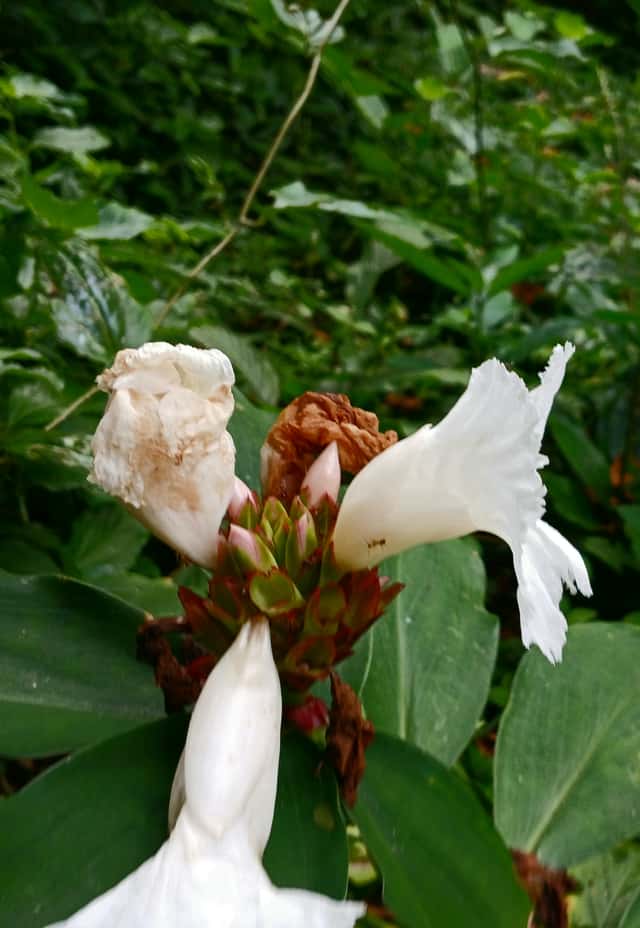
spiral ginger (Costus) is a medium-care plant from the Costaceae family. Costus is a genus of tropical plants in the family Costaceae, commonly known as spiral ginger. Named for the characteristic spiral arrangement of their stems and leaves, these striking plants produce showy flower spikes in shades of red, orange, yellow, white, and pink. Native to tropical regions of...
spiral ginger grows up to 2.5m, spread of 120cm, watering every 5 days, 15°C – 35°C, 60–90% humidity. It is suitable for indoor environments and safe for pets.
Unlike many popular species, spiral ginger is safe to keep around pets. Without adequate drainage, root rot can develop within 10 days.
How to Care for spiral ginger?
TLDR: spiral ginger needs Partial shade, watering every 5 days, and temperatures between 15-35°C with 60-90% humidity.
How Often Should You Water spiral ginger?
Water every 4–6 days, keeping soil evenly moist. Avoid standing water around the roots — overwatering is the leading cause of root rot. Reduce watering frequency in winter when growth slows.
How Much Light Does spiral ginger Need?
Provide bright indirect light or gentle morning sun. It tolerates partial shade but flowers best with more light. Avoid harsh midday direct sun, which can scorch the broad leaves.
What Is the Best Soil for spiral ginger?
Plant in rich, well-draining organic mix with slightly acidic to neutral pH (5.5–7.0). A blend of potting soil, compost, and perlite works well. Refresh substrate every 2 years.
What Pot Should You Use for spiral ginger?
Medium to large ceramic or terracotta pot with good drainage holes. Outdoors, plant in groups for dramatic landscape effect.
Care Schedule
Fertilize
Every 30 days
Misting
Every 3 days
Rotate
Every 7 days
Repot
Every 730 days
What Is spiral ginger and Where Does It Come From?
Costus is a genus of tropical plants in the family Costaceae, commonly known as spiral ginger. Named for the characteristic spiral arrangement of their stems and leaves, these striking plants produce showy flower spikes in shades of red, orange, yellow, white, and pink. Native to tropical regions of the Americas, Africa, and Asia, the genus encompasses over 150 species thriving in warm, humid environments. Spiral gingers are prized ornamentals in tropical and subtropical gardens and make excellent indoor specimens in bright, humid spaces. Beyond their ornamental value, several Costus species have a long history of use in traditional medicine across their native ranges.
How Big Does spiral ginger Grow?
TLDR: spiral ginger can reach up to 2.5m tall with Medium growth rate.
Max height
2.5m
Spread
1.2m
Growth rate
Medium
Foliage
Evergreen
Plant Uses
Ornamental
Great for decoration
Medicinal
Medicinal properties
Medicinal Uses
- Roots and stems used in traditional medicine as anti-inflammatory, antidiabetic, and antipyretic agents
- Costus speciosus rhizomes are a source of diosgenin used in steroid synthesis
Is your plant showing symptoms?
Click on the symptom to discover possible causes:
What Diseases Commonly Affect spiral ginger?
TLDR: spiral ginger is susceptible to 8 known diseases. Monitor regularly for early detection.
Root Rot
Root rot is a serious fungal disease that affects the root system of plants, causing them to decay and die. It is primarily caused by overwatering, poor drainage, or soil-borne fungi such as Pythium, Phytophthora, Rhizoctonia, and Fusarium. The disease thrives in waterlogged conditions where roots are deprived of oxygen, making them susceptible to fungal infection.
Slugs and Snails
Slugs and snails are mollusks that feed on plant tissue, causing irregular holes in leaves and damage to young seedlings. They are most active at night and in moist conditions, leaving characteristic silvery slime trails. These pests can quickly devastate gardens, especially during wet seasons.
Spider Mites
Spider mites are tiny arachnids (less than 1/20 inch long) related to spiders and ticks that feed on plant sap. They thrive in hot, dry conditions and can cause significant damage to ornamental and vegetable plants. During severe infestations, crop losses can reach 14% or higher as these pests disrupt vital plant processes including photosynthesis, carbon dioxide absorption, and transpiration.
Scale Insects
Scale insects are small sap-sucking pests that appear as brown, shell-like bumps on plant stems and leaves. There are over 25 species, divided into armored (hard) and unarmored (soft) scales. They feed by piercing plant tissue and extracting sap, which weakens the plant and can lead to yellowing, stunted growth, and even death if left untreated. They also excrete honeydew, which attracts ants and promotes sooty mold growth.
Meaning & Symbolism
Exotic beauty, tropical vitality, and resilience
Fun Facts
The stems of Costus grow in a distinctive spiral pattern, which inspired the common name spiral ginger.
Some Costus species produce such abundant nectar that they attract hummingbirds and specialist bees.
Costus is related to true ginger (Zingiber officinale) and shares some aromatic compounds in its rhizomes.
The genus Costus contains over 150 species distributed across three continents.
Frequently asked questions
Can spiral ginger be grown indoors?
How fast does Costus grow?
Is spiral ginger toxic to pets?
Why are my spiral ginger leaves yellowing?
Compare with similar plants
| Attribute | Difficulty | Light | Watering | Pet Safe |
|---|---|---|---|---|
| Dark Fieldcap | Medium | Low light | 2d | ⚠️ |
| Azalea | Medium | Partial shade | 3d | ⚠️ |
| Bougainvillea | Medium | Direct sun | 7d | ⚠️ |
| Wild Lettuce | Medium | Direct sun | 7d | ⚠️ |



