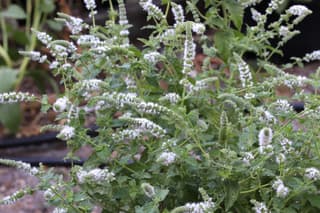
Verbenaceae
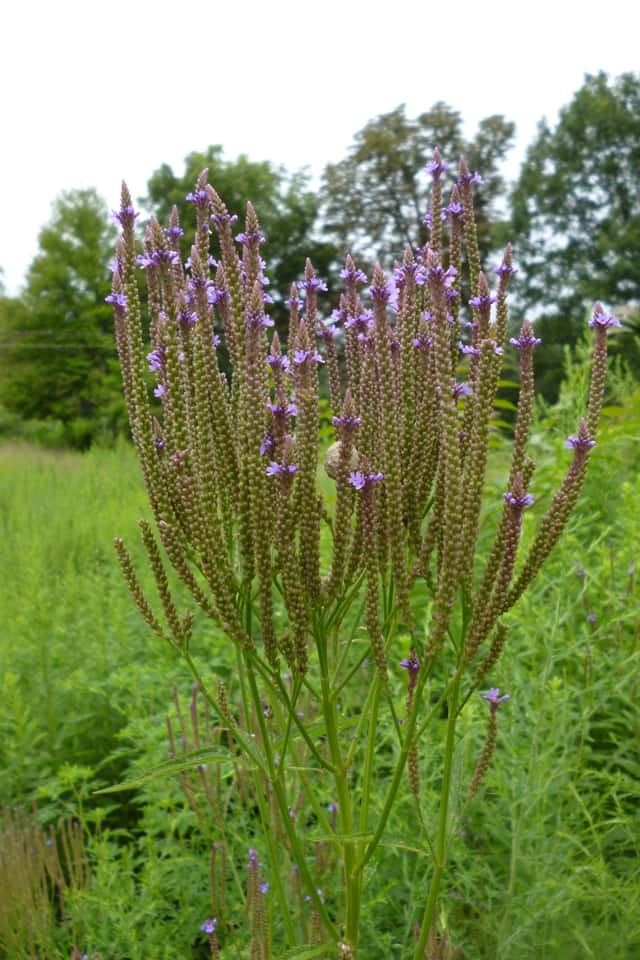
Blue Vervain (Verbena hastata)
Verbena hastata
Easy to grow in consistently moist to wet soil and full sun. Thrives with little intervention once established; deadhead spent spikes to control self-seeding.
Every 3 days
Bright indirect
10° - 32°C
40% - 70%
Categories
What is Blue Vervain?
Blue Vervain (Verbena hastata) is a easy-care plant from the Verbenaceae family. Blue vervain (Verbena hastata) is a native North American wildflower found in wet meadows, prairies, and along stream banks. This upright perennial produces slender, candelabra-like spikes of tiny violet-blue flowers from midsummer through early fall, attracting bees, butterflies, and other pollinat...
Blue Vervain grows up to 1.5m, spread of 60cm, watering every 3 days, 10°C – 32°C, 40–70% humidity. It is not suitable for indoor environments and safe for pets.
Unlike many tropical plants, Blue Vervain tolerates watering mistakes. Best for beginners. Unlike many popular species, Blue Vervain is safe to keep around pets.
How to Care for Blue Vervain?
TLDR: Blue Vervain needs Bright indirect, watering every 3 days, and temperatures between 10-32°C with 40-70% humidity.
How Often Should You Water Blue Vervain?
Keep soil evenly moist to wet; this wetland native tolerates occasional standing water but should never be allowed to dry out completely.
How Much Light Does Blue Vervain Need?
Grows best in full sun for the strongest bloom and sturdiest stems; tolerates partial shade, though flower color may be less vivid.
What Is the Best Soil for Blue Vervain?
Prefers rich, loamy, moisture-retentive soil; adapts well to clay and wet, mucky conditions. Not particular about pH within a moderate range.
What Pot Should You Use for Blue Vervain?
Best grown directly in garden beds or rain gardens; if potted, use a wide, deep container without fast drainage and keep the soil consistently damp.
What Is Blue Vervain and Where Does It Come From?
Blue vervain (Verbena hastata) is a native North American wildflower found in wet meadows, prairies, and along stream banks. This upright perennial produces slender, candelabra-like spikes of tiny violet-blue flowers from midsummer through early fall, attracting bees, butterflies, and other pollinators. Historically used by Indigenous peoples and early settlers as a medicinal herb, it remains a popular choice for rain gardens, pollinator borders, and naturalized wet areas.
How to Propagate Blue Vervain?
Seed sowing
Blue vervain self-seeds readily once established, so deadhead spent flower spikes to control spread.
- 1 Collect ripe seed heads in fall or buy stratified seed
- 2 Cold-stratify seeds in a moist medium in the refrigerator for 30 days if sowing in spring
- 3 Sow seeds shallowly in moist soil or direct-sow outdoors in fall
- 4 Keep soil consistently moist until germination
Materials needed:
Clump division
Divide every 3-4 years to keep clumps vigorous and control size.
- 1 In early spring, dig up an established clump
- 2 Separate the root mass into sections with several shoots each
- 3 Replant divisions immediately in moist, prepared soil
- 4 Water thoroughly after replanting
Materials needed:
How Big Does Blue Vervain Grow?
TLDR: Blue Vervain can reach up to 1.5m tall with Medium growth rate.
Max height
1.5m
Spread
60cm
Growth rate
Medium
Foliage
Deciduous
Plant Uses
Ornamental
Great for decoration
Medicinal
Medicinal properties
Medicinal Uses
- Traditionally brewed as a tea to help ease fevers and colds
- Used in folk medicine as a mild sedative to reduce stress and anxiety
- Applied traditionally to support digestive and respiratory health
Culinary Uses
- Dried leaves and flowering tops brewed as an herbal tea
Is your plant showing symptoms?
Click on the symptom to discover possible causes:
What Diseases Commonly Affect Blue Vervain?
TLDR: Blue Vervain is susceptible to 6 known diseases. Monitor regularly for early detection.
Powdery Mildew
Powdery mildew is a common fungal disease caused by various fungi species including Erysiphe, Podosphaera, Oïdium, and Leveillula. It affects over 10,000 plant species worldwide. The disease thrives in warm, dry climates with high humidity and appears as a distinctive white powdery coating on plant surfaces.
Aphids
Aphids are small, soft-bodied, pear-shaped insects (1/16 to 1/8 inch long) that feed by sucking nutrient-rich sap from plants. They reproduce rapidly and can quickly weaken plants, causing distorted growth and transmitting plant viruses. Aphids come in various colors including green, black, red, yellow, brown, and gray. They secrete honeydew, a sticky substance that attracts ants and encourages sooty mold growth.
Whiteflies
Whiteflies are small, soft-bodied, winged insects closely related to aphids and mealybugs. They are moth-like in appearance, about 1/16 inch long, triangular in shape, and gray-white in color. These sap-sucking pests feed on plant tissue, causing yellowing, stunted growth, and wilting. They also excrete honeydew, which attracts ants and promotes sooty mold growth. Whiteflies can transmit serious plant viruses.
Thrips
Thrips are tiny cigar-shaped insects (1/25-inch long) that damage plants by sucking plant juices and scraping at fruits, flowers, and leaves. With over 6,000 species and rapid reproduction (lifecycle as short as 14 days), they can quickly infest plants and transmit viruses like tomato spotted wilt virus.
Meaning & Symbolism
Vervain has long been associated with protection, healing, and enchantment. Sacred to the Druids and Romans, it was carried as an amulet against harm and used in folk rituals of purification and good fortune.
Fun Facts
Blue vervain's flower spikes open a few blossoms at a time, working their way up the spike over several weeks.
Indigenous peoples and early American colonists used blue vervain leaves and roots as a traditional herbal remedy.
The genus name Verbena comes from the Latin word for "sacred plant used in rituals."
Frequently asked questions
How much water does Blue Vervain need?
Does Blue Vervain need full sun?
Is Blue Vervain toxic to pets?
How do I propagate Blue Vervain?
Compare with similar plants
| Attribute | Difficulty | Light | Watering | Pet Safe |
|---|---|---|---|---|
| Field Maple | Easy | Bright indirect | 14d | ✓ |
| Silver Birch | Easy | Direct sun | 14d | ✓ |
| Cushion Bush | Easy | Direct sun | 14d | ✓ |
| Peruvian peppertree | Easy | Direct sun | 14d | ⚠️ |