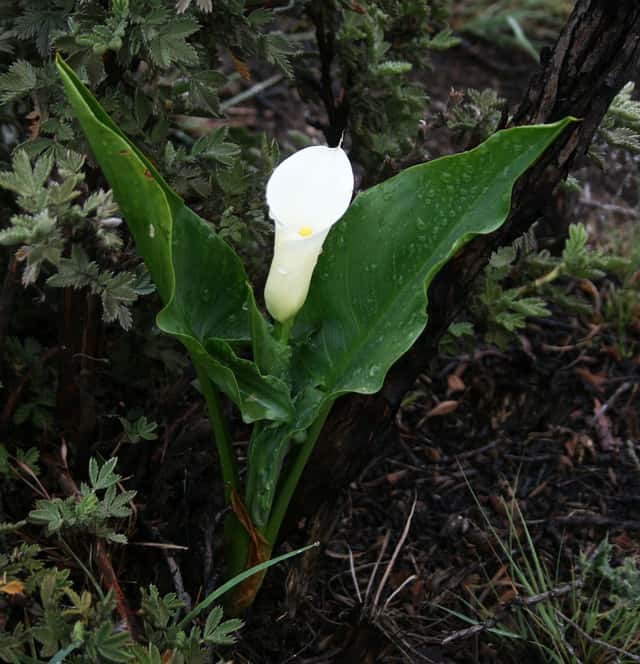
Araceae
Spotted Calla Lily — Zantedeschia albomaculata
Zantedeschia albomaculata
The Spotted Calla Lily thrives in bright indirect light with consistently moist, well-draining soil. During the growing season (spring and summer), water every 5-7 days and maintain humidity between 50-70%. Allow the plant to go dormant in winter by reducing watering. Fertilize monthly during the growing season.
Every 7 days
Partial shade
10° - 26°C
50% - 70%
Categories
What is Spotted Calla Lily?
Spotted Calla Lily (Zantedeschia albomaculata) is a medium-care plant from the Araceae family. Zantedeschia albomaculata, commonly known as the Spotted Calla Lily, is a tuberous perennial native to Southern Africa (South Africa, Zimbabwe, and Tanzania). It features distinctive white-spotted dark green leaves and elegant pale spathes with a characteristic maroon throat. Belonging to the family...
Spotted Calla Lily grows up to 90cm, spread of 60cm, watering every 7 days, 10°C – 26°C, 50–70% humidity. It is suitable for indoor environments and not safe for pets.
Without precautions, ingestion can cause irritation in pets. Keep out of reach of cats and dogs. Without adequate drainage, root rot can develop within 14 days.
How to Care for Spotted Calla Lily?
TLDR: Spotted Calla Lily needs Partial shade, watering every 7 days, and temperatures between 10-26°C with 50-70% humidity.
How Often Should You Water Spotted Calla Lily?
Water every 5-7 days during the growing season, keeping soil moist but never waterlogged. Reduce watering significantly in autumn and stop almost entirely during winter dormancy. Resume regular watering when new growth appears in spring.
How Much Light Does Spotted Calla Lily Need?
Provide bright indirect light for best results — near a window with filtered sunlight is ideal. In cooler climates it tolerates full sun, but in hot regions shade it from harsh afternoon rays to prevent leaf scorch.
What Is the Best Soil for Spotted Calla Lily?
Use a rich, well-draining mix of peat moss, perlite, and vermiculite. Soil pH should be between 6.0-7.5. Never allow roots to sit in waterlogged soil as this promotes bacterial soft rot and root rot.
What Pot Should You Use for Spotted Calla Lily?
A medium to large pot (25-35 cm diameter) with excellent drainage holes. Terracotta pots are ideal as they allow excess moisture to evaporate, reducing the risk of root rot. Avoid glazed or plastic pots without drainage.
Care Schedule
Fertilize
Every 30 days
Misting
Every 3 days
Rotate
Every 30 days
Repot
Every 730 days
What Is Spotted Calla Lily and Where Does It Come From?
Zantedeschia albomaculata, commonly known as the Spotted Calla Lily, is a tuberous perennial native to Southern Africa (South Africa, Zimbabwe, and Tanzania). It features distinctive white-spotted dark green leaves and elegant pale spathes with a characteristic maroon throat. Belonging to the family Araceae, this ornamental plant goes dormant in winter and re-emerges with striking foliage in spring.
How to Propagate Spotted Calla Lily?
Tuber Division
Divide every 2-3 years to prevent overcrowding and maintain vigour. Dust cut surfaces with sulphur powder to prevent rot.
- 1 Wait until the plant enters dormancy in late autumn
- 2 Carefully dig up the tuber clump and shake off soil
- 3 Use a clean, sharp knife to divide tubers, ensuring each section has at least one growing point
- 4 Allow cut surfaces to dry for 24 hours
- 5 Plant divisions in fresh, moist potting mix at 5-7 cm depth
Materials needed:
Seed Propagation
Seed propagation is slow; tuber division is strongly preferred for home gardeners.
- 1 Collect ripe berries from the spadix
- 2 Remove the pulp and rinse seeds
- 3 Sow seeds in moist seed-raising mix at 20-22°C
- 4 Keep moist until germination (4-8 weeks)
- 5 Transplant seedlings when large enough to handle
Materials needed:
How Big Does Spotted Calla Lily Grow?
TLDR: Spotted Calla Lily can reach up to 90cm tall with Medium growth rate.
Max height
90cm
Spread
60cm
Growth rate
Medium
Foliage
Deciduous
Warning: Toxic Plant
This plant can be toxic if ingested. Keep out of reach of:
Plant Uses
Ornamental
Great for decoration
Is your plant showing symptoms?
Click on the symptom to discover possible causes:
What Diseases Commonly Affect Spotted Calla Lily?
TLDR: Spotted Calla Lily is susceptible to 11 known diseases. Monitor regularly for early detection.
Root Rot
Root rot is a serious fungal disease that affects the root system of plants, causing them to decay and die. It is primarily caused by overwatering, poor drainage, or soil-borne fungi such as Pythium, Phytophthora, Rhizoctonia, and Fusarium. The disease thrives in waterlogged conditions where roots are deprived of oxygen, making them susceptible to fungal infection.
Bacterial Soft Rot
Bacterial soft rot is a destructive plant disease caused primarily by bacteria from the genera Pectobacterium (formerly Erwinia) and Dickeya. These bacteria produce enzymes that break down plant cell walls, causing rapid and foul-smelling tissue decomposition. It mainly affects succulent tissues such as tubers, fruits, stems, and bulbs, being especially problematic in warm and humid conditions.
Leaf Spot
Leaf spot is a common fungal disease caused by various pathogens including Alternaria, Ascochyta, Colletotrichum, Septoria, and Venturia. It primarily affects leaves, causing discolored spots that can lead to premature leaf drop if left untreated.
Aphids
Aphids are small, soft-bodied, pear-shaped insects (1/16 to 1/8 inch long) that feed by sucking nutrient-rich sap from plants. They reproduce rapidly and can quickly weaken plants, causing distorted growth and transmitting plant viruses. Aphids come in various colors including green, black, red, yellow, brown, and gray. They secrete honeydew, a sticky substance that attracts ants and encourages sooty mold growth.
Meaning & Symbolism
In many cultures the calla lily symbolizes purity, rebirth, and elegant transition. It is often associated with new beginnings and is widely used in ceremonial arrangements.
Fun Facts
The distinctive white spots on the leaves are not caused by disease — they are a natural genetic feature that gives this species its name 'albomaculata' (white-spotted in Latin).
Zantedeschia albomaculata belongs to the colored calla group (section Aestivae) and is notably more susceptible to bacterial soft rot than the common white arum lily.
The spathe is not a true flower — it is a modified leaf (bract) that surrounds the spadix, which is the actual flower structure.
Native to summer-rainfall regions of Southern Africa, this calla lily naturally flowers from spring through summer and goes completely dormant in winter.
Frequently asked questions
How often should I water the Spotted Calla Lily?
Is Zantedeschia albomaculata toxic to pets?
Why are my Spotted Calla Lily leaves turning yellow?
Does the Spotted Calla Lily need a dormant period?
Can I grow Spotted Calla Lily indoors?
Compare with similar plants
| Attribute | Difficulty | Light | Watering | Pet Safe |
|---|---|---|---|---|
| Dark Fieldcap | Medium | Low light | 2d | ⚠️ |
| Azalea | Medium | Partial shade | 3d | ⚠️ |
| Muriel's Bamboo | Medium | Partial shade | 3d | ✓ |
| Bougainvillea | Medium | Direct sun | 7d | ⚠️ |




