Asteraceae
Common Blanketflower (Gaillardia aristata) Care Guide
Gaillardia aristata
Give blanketflower full sun and well-draining soil, and let it dry out between waterings once established. It needs little to no fertilizer, tolerates heat and poor soil, and rewards regular deadheading with continuous blooms all summer.
Every 10 days
Direct sun
10° - 32°C
% - %
Categories
What is Common Blanketflower?
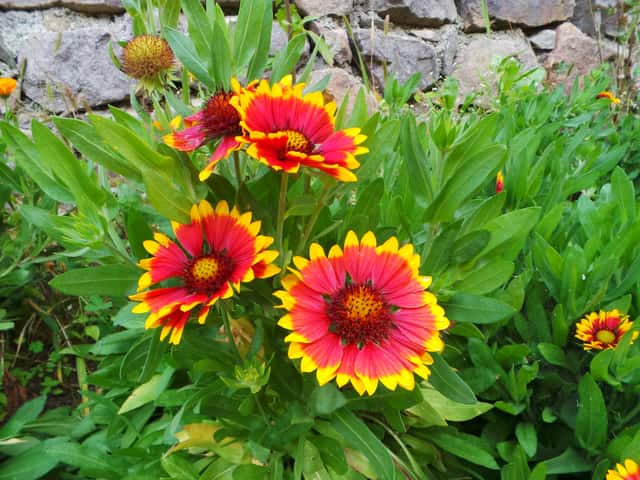
Common Blanketflower (Gaillardia aristata) is a easy-care plant from the Asteraceae family. Common blanketflower is a hardy perennial wildflower native to the prairies and foothills of central North America. It forms low mounds of grayish-green, lance-shaped leaves topped from late spring through fall by daisy-like blooms in fiery combinations of yellow, red, orange and copper. Extremely d...
Common Blanketflower grows up to 90cm, spread of 60cm, watering every 10 days, 10°C – 32°C. It is not suitable for indoor environments and safe for pets.
Unlike many tropical plants, Common Blanketflower tolerates watering mistakes. Best for beginners. Unlike many popular species, Common Blanketflower is safe to keep around pets.
How to Care for Common Blanketflower?
TLDR: Common Blanketflower needs Direct sun, watering every 10 days, and temperatures between 10-32°C with 40-70% humidity.
How Often Should You Water Common Blanketflower?
Water deeply but infrequently. Soak the root zone at planting and while the plant establishes, then switch to occasional deep watering only during extended dry, hot spells — soggy soil invites root rot.
How Much Light Does Common Blanketflower Need?
Plant in full sun with at least 6 hours of direct light daily. Too much shade causes leggy growth and fewer flowers.
What Is the Best Soil for Common Blanketflower?
Use loose, well-draining soil such as sandy or rocky garden soil. Avoid heavy clay and rich, constantly moist beds; a neutral to mildly alkaline pH is ideal.
What Pot Should You Use for Common Blanketflower?
Not typically grown in containers, but if potted, use a wide, shallow pot with generous drainage holes and a sandy, fast-draining mix.
What Is Common Blanketflower and Where Does It Come From?
Common blanketflower is a hardy perennial wildflower native to the prairies and foothills of central North America. It forms low mounds of grayish-green, lance-shaped leaves topped from late spring through fall by daisy-like blooms in fiery combinations of yellow, red, orange and copper. Extremely drought tolerant once established, it thrives in poor, well-drained soil and full sun, making it a favorite for xeriscapes, pollinator gardens and cottage borders.
How to Propagate Common Blanketflower?
Seed sowing
Blanketflower self-seeds readily in the garden, so expect volunteer seedlings the following season.
- 1 Sow seeds directly outdoors after the last frost, or start indoors 4-6 weeks earlier
- 2 Press seeds lightly into the soil surface without covering, as they need light to germinate
- 3 Keep soil lightly moist until germination
- 4 Thin seedlings to 30-45cm apart once true leaves appear
Materials needed:
Division
Dividing rejuvenates older, woody clumps and prevents overcrowding.
- 1 Dig up an established clump every 2-3 years in early spring
- 2 Separate the root mass into sections, each with several shoots and roots
- 3 Replant divisions immediately at the same depth as before
- 4 Water well until new growth appears
Materials needed:
How Big Does Common Blanketflower Grow?
TLDR: Common Blanketflower can reach up to 90cm tall with Fast growth rate.
Max height
90cm
Spread
60cm
Growth rate
Fast
Foliage
Deciduous
Plant Uses
Ornamental
Great for decoration
Is your plant showing symptoms?
Click on the symptom to discover possible causes:
What Diseases Commonly Affect Common Blanketflower?
TLDR: Common Blanketflower is susceptible to 10 known diseases. Monitor regularly for early detection.
Powdery Mildew
Powdery mildew is a common fungal disease caused by various fungi species including Erysiphe, Podosphaera, Oïdium, and Leveillula. It affects over 10,000 plant species worldwide. The disease thrives in warm, dry climates with high humidity and appears as a distinctive white powdery coating on plant surfaces.
Root Rot
Root rot is a serious fungal disease that affects the root system of plants, causing them to decay and die. It is primarily caused by overwatering, poor drainage, or soil-borne fungi such as Pythium, Phytophthora, Rhizoctonia, and Fusarium. The disease thrives in waterlogged conditions where roots are deprived of oxygen, making them susceptible to fungal infection.
Septoria Leaf Spot
Septoria leaf spot is a destructive fungal disease caused by Septoria lycopersici, particularly devastating during seasons of moderate temperature and abundant rainfall. The disease starts on lower leaves and progresses upward, causing small circular spots with tan to gray centers and dark brown margins. If left untreated, it can dramatically reduce plant yields and cause complete leaf blight.
Bacterial Blight
Bacterial blight is a serious plant disease caused by pathogenic bacteria that enters plants through wounds or natural openings. It spreads rapidly in warm, wet conditions and can cause significant damage to leaves, stems, and flowers. The bacteria are transmitted by water splash, contaminated tools, and insects.
Meaning & Symbolism
In Native American tradition the overlapping bands of red, orange and yellow in blanketflower's petals are said to echo the patterns of hand-woven blankets, symbolizing warmth, resilience and community.
Fun Facts
Blanketflower is named for the way its overlapping, multicolored petals resemble hand-woven Native American blankets.
It is one of the most drought-tolerant perennials used in prairie restoration and xeriscaping.
Its cheerful blooms attract bees, butterflies and other pollinators all summer long.
Deadheading spent flowers can keep it blooming from late spring all the way to the first frost.
Frequently asked questions
How often should I water blanketflower?
Is blanketflower toxic to pets?
Why is my blanketflower not blooming?
How do I stop powdery mildew on blanketflower?
Does blanketflower come back every year?
Compare with similar plants
| Attribute | Difficulty | Light | Watering | Pet Safe |
|---|---|---|---|---|
| Field Maple | Easy | Bright indirect | 14d | ✓ |
| Silver Birch | Easy | Direct sun | 14d | ✓ |
| Cushion Bush | Easy | Direct sun | 14d | ✓ |
| Wild Lettuce | Medium | Direct sun | 7d | ⚠️ |
Choose & Compare
Sources & References
- Gaillardia aristata - NC State Extension Gardener Plant Toolbox
- How to Grow Blanket Flower (Gaillardia) - Garden Design
- Gaillardia - CAES Plant Pest Handbook
- Watch for white smut on Gaillardia plants - MSU Extension
- Blanketflower (Gaillardia aristata) Plant Guide - USDA NRCS
- Tudo Sobre a Flor Gaillardia - Mundo Ecologia
- Gaillardia: la planta de flor de manta - Roots





