Asteraceae
Sunflower: Edible Plant
Helianthus annuus
An easy-to-grow plant that thrives in full sun. It requires regular watering, nutrient-rich soil, and adequate space for vertical growth. Ideal for outdoor gardens, it can reach up to 3 meters in height.
Every 7 days
Direct sun
10° - 35°C
30% - 50%
Categories
What is Sunflower?
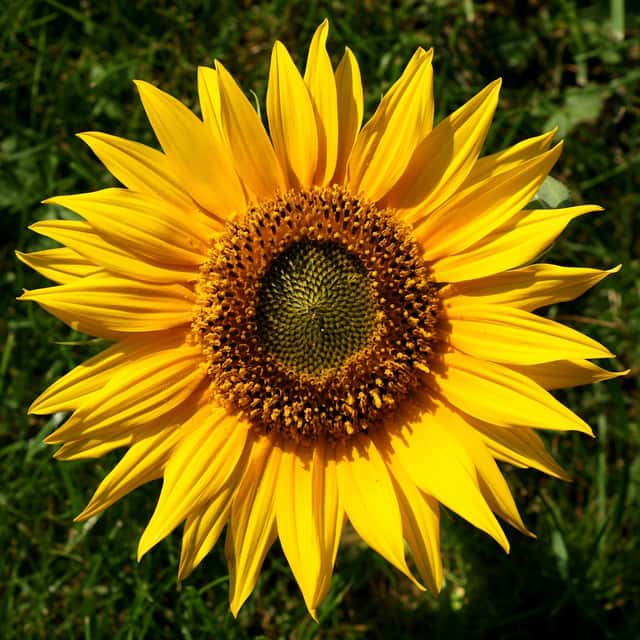
Sunflower (Helianthus annuus) is a easy-care plant from the Asteraceae family. The Sunflower is an annual plant in the Asteraceae family, known for its large yellow flowers that follow the sun's movement (heliotropism). Native to the Americas, it is cultivated worldwide for both ornamental purposes and the production of seeds and oil.
Sunflower grows up to 3.0m, spread of 60cm, watering every 7 days, 10°C – 35°C, 30–50% humidity. It is not suitable for indoor environments and safe for pets.
Unlike many tropical plants, Sunflower tolerates watering mistakes. Best for beginners. Unlike many popular species, Sunflower is safe to keep around pets.
How to Care for Sunflower?
TLDR: Sunflower needs Direct sun, watering every 7 days, and temperatures between 10-35°C with 30-50% humidity.
How Often Should You Water Sunflower?
Water deeply every 2-3 days, keeping the soil uniformly moist but not waterlogged. On very hot days, it may require daily watering. Avoid wetting the leaves to prevent fungal diseases.
How Much Light Does Sunflower Need?
Requires direct full sun for at least 6-8 hours daily. It is a heliophilic plant that develops best with maximum sun exposure. It does not tolerate shade.
What Is the Best Soil for Sunflower?
Prefers soil rich in organic matter, well-drained, with a pH between 6.0 and 7.5. Add compost or humus before planting for better development.
What Pot Should You Use for Sunflower?
Not recommended for pots due to its size. If necessary, use large pots (minimum 20L) with good drainage for dwarf varieties.
Care Schedule
Fertilize
Every 30 days
What Is Sunflower and Where Does It Come From?
The Sunflower is an annual plant in the Asteraceae family, known for its large yellow flowers that follow the sun's movement (heliotropism). Native to the Americas, it is cultivated worldwide for both ornamental purposes and the production of seeds and oil.
How to Propagate Sunflower?
Seeds
- Best planted in spring when there is no longer a risk of frost
- 1 Choose high-quality seeds
- 2 Plant directly in the permanent location after the last frost
- 3 Bury 2-3cm deep
- 4 Keep the soil moist until germination
- 5 Thin seedlings leaving 30-45cm between plants
Materials needed:
How Big Does Sunflower Grow?
TLDR: Sunflower can reach up to 3.0m tall with Fast growth rate.
Max height
3.0m
Spread
60cm
Growth rate
Fast
Foliage
Deciduous
Plant Uses
Ornamental
Great for decoration
Edible
Can be consumed
Medicinal
Medicinal properties
Medicinal Uses
- Seed oil used in massages and skin treatments
- Petal tea used as an anti-inflammatory
- Seeds rich in vitamin E and selenium
Culinary Uses
- Seeds consumed roasted or raw as a snack
- Sunflower oil widely used in cooking
- Edible petals for salad decoration
- Sprouts used in salads
Is your plant showing symptoms?
Click on the symptom to discover possible causes:
What Diseases Commonly Affect Sunflower?
TLDR: Sunflower is susceptible to 13 known diseases. Monitor regularly for early detection.
Powdery Mildew
Powdery mildew is a common fungal disease caused by various fungi species including Erysiphe, Podosphaera, Oïdium, and Leveillula. It affects over 10,000 plant species worldwide. The disease thrives in warm, dry climates with high humidity and appears as a distinctive white powdery coating on plant surfaces.
Rust
Rust is a common fungal disease caused by fungi in the order Pucciniales that affects a wide variety of plants. The disease gets its name from the characteristic orange, yellow, or reddish-brown pustules that appear on leaves, resembling metal rust. This obligate fungal parasite requires living plants to survive and can cause significant economic losses in agricultural crops.
Downy Mildew
Downy mildew is a fungal-like disease caused by oomycetes (water molds) that thrives in cool, wet conditions. It affects a wide range of plants, causing yellowing leaves with fuzzy white-gray growth underneath, leading to defoliation and reduced yields if left untreated.
Alternaria Leaf Spot
Alternaria leaf spot is a common fungal disease caused by Alternaria solani and Alternaria alternata that affects a wide range of plants including tomatoes, potatoes, brassicas, and ornamentals. The disease thrives in warm, humid conditions and can cause significant crop damage if left untreated. Spores overwinter on plant debris and can attach to seeds, making complete elimination difficult.
Meaning & Symbolism
A symbol of joy, vitality, and adoration. It represents the search for light and truth. In Greek mythology, it is associated with Clytie, a nymph who turned into a sunflower out of love for the Sun god.
Compare with similar plants
| Attribute | Difficulty | Light | Watering | Pet Safe |
|---|---|---|---|---|
| Field Maple | Easy | Bright indirect | 14d | ✓ |
| Silver Birch | Easy | Direct sun | 14d | ✓ |
| Common Blanketflower | Easy | Direct sun | 10d | ✓ |
| Cushion Bush | Easy | Direct sun | 14d | ✓ |





