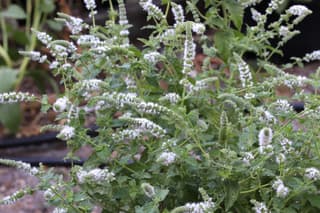
Caryophyllaceae
Silene — Campions and Catchflies: Complete Genus Care Guide
Silene
Campions are easy to grow and generally low-maintenance. Water regularly during the growing season, allow soil to partially dry between waterings, and reduce water in winter. Deadhead spent blooms to encourage continued flowering. Division every few years keeps plants vigorous.
Every 7 days
Bright indirect
-20° - 35°C
30% - 70%
Categories
What is Campion?
Campion (Silene) is a easy-care plant from the Caryophyllaceae family. Silene is the largest genus in the Caryophyllaceae family, encompassing approximately 500–900 species of annual, biennial, and perennial flowering plants known as campions and catchflies. Native to temperate regions of the Northern Hemisphere, they are celebrated for their delicate tubular flowers i...
Campion grows up to 80cm, spread of 60cm, watering every 7 days, -20°C – 35°C, 30–70% humidity. It is not suitable for indoor environments and safe for pets.
Unlike many tropical plants, Campion tolerates watering mistakes. Best for beginners. Unlike many popular species, Campion is safe to keep around pets.
How to Care for Campion?
TLDR: Campion needs Bright indirect, watering every 7 days, and temperatures between -20-35°C with 30-70% humidity.
How Often Should You Water Campion?
Water moderately every 7–10 days, ensuring soil is moist but never waterlogged. Established plants are drought-tolerant. Avoid overhead watering to reduce risk of fungal diseases.
How Much Light Does Campion Need?
Prefers full sun to partial shade — at least 4–6 hours of direct sunlight daily. In hot climates, afternoon shade prevents heat stress and prolongs flowering.
What Is the Best Soil for Campion?
Plant in well-draining soil enriched with organic matter. Sandy loam or loamy soil is ideal. Avoid heavy clay that retains moisture. Acceptable pH: 5.5–7.5.
What Pot Should You Use for Campion?
Terracotta or clay pots with drainage holes are ideal for container growing. Ensure pots are at least 20 cm deep to accommodate the root system.
Care Schedule
Fertilize
Every 14 days
Misting
Every 3 days
Rotate
Every 7 days
Repot
Every 365 days
What Is Campion and Where Does It Come From?
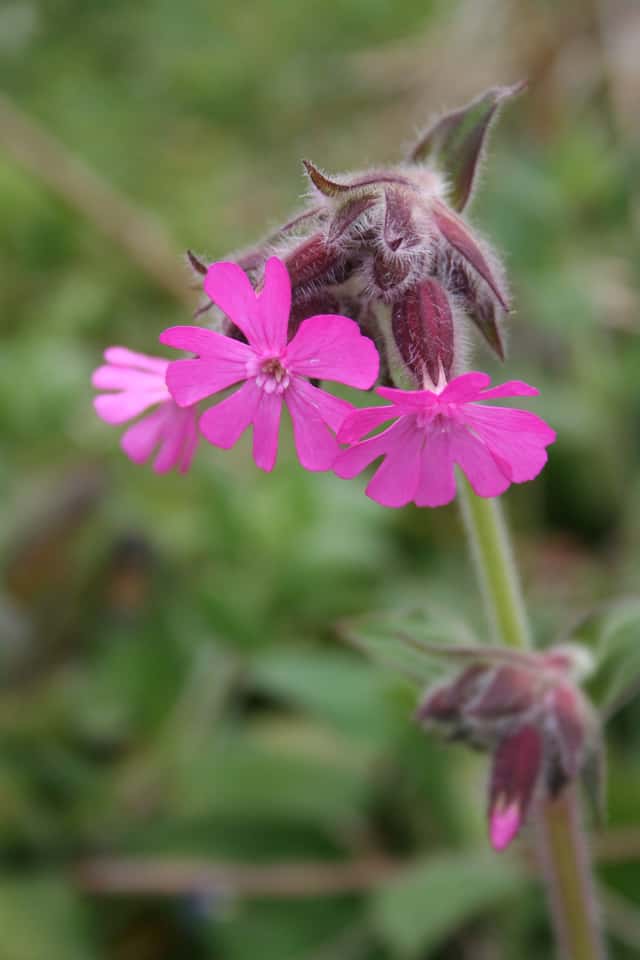
Silene is the largest genus in the Caryophyllaceae family, encompassing approximately 500–900 species of annual, biennial, and perennial flowering plants known as campions and catchflies. Native to temperate regions of the Northern Hemisphere, they are celebrated for their delicate tubular flowers in shades of pink, red, white, and purple, often with notched petals and an inflated calyx. Many species attract butterflies, hummingbirds, and other pollinators, making them valuable additions to wildflower gardens, meadows, and rock gardens.
How to Propagate Campion?
Seed
Division
Stem Cutting
How Big Does Campion Grow?
TLDR: Campion can reach up to 80cm tall with Medium growth rate.
Max height
80cm
Spread
60cm
Growth rate
Medium
Foliage
Deciduous
Plant Uses
Ornamental
Great for decoration
Edible
Can be consumed
Medicinal
Medicinal properties
Medicinal Uses
- Traditional herbal use; some species used in folk medicine for respiratory and anti-inflammatory purposes
Culinary Uses
- Young leaves and shoots of Silene vulgaris (bladder campion) are edible — eaten raw in salads or cooked in Mediterranean cuisine such as risotto
Is your plant showing symptoms?
Click on the symptom to discover possible causes:
What Diseases Commonly Affect Campion?
TLDR: Campion is susceptible to 9 known diseases. Monitor regularly for early detection.
Powdery Mildew
Powdery mildew is a common fungal disease caused by various fungi species including Erysiphe, Podosphaera, Oïdium, and Leveillula. It affects over 10,000 plant species worldwide. The disease thrives in warm, dry climates with high humidity and appears as a distinctive white powdery coating on plant surfaces.
Slugs and Snails
Slugs and snails are mollusks that feed on plant tissue, causing irregular holes in leaves and damage to young seedlings. They are most active at night and in moist conditions, leaving characteristic silvery slime trails. These pests can quickly devastate gardens, especially during wet seasons.
Root Rot
Root rot is a serious fungal disease that affects the root system of plants, causing them to decay and die. It is primarily caused by overwatering, poor drainage, or soil-borne fungi such as Pythium, Phytophthora, Rhizoctonia, and Fusarium. The disease thrives in waterlogged conditions where roots are deprived of oxygen, making them susceptible to fungal infection.
Aphids
Aphids are small, soft-bodied, pear-shaped insects (1/16 to 1/8 inch long) that feed by sucking nutrient-rich sap from plants. They reproduce rapidly and can quickly weaken plants, causing distorted growth and transmitting plant viruses. Aphids come in various colors including green, black, red, yellow, brown, and gray. They secrete honeydew, a sticky substance that attracts ants and encourages sooty mold growth.
Fun Facts
Silene is the largest genus in the carnation family with up to 900 species
The name "catchfly" comes from the sticky stems that can trap small insects, though the plant is not carnivorous
Silene vulgaris is considered a gourmet wild vegetable in parts of Italy and Greece
Some Silene species are dioecious — individual plants are either male or female
The genus has been successfully grown from 32,000-year-old seeds recovered from Siberian permafrost (Silene stenophylla)
Compare with similar plants
| Attribute | Difficulty | Light | Watering | Pet Safe |
|---|---|---|---|---|
| Field Maple | Easy | Bright indirect | 14d | ✓ |
| Silver Birch | Easy | Direct sun | 14d | ✓ |
| Cushion Bush | Easy | Direct sun | 14d | ✓ |
| Peruvian peppertree | Easy | Direct sun | 14d | ⚠️ |