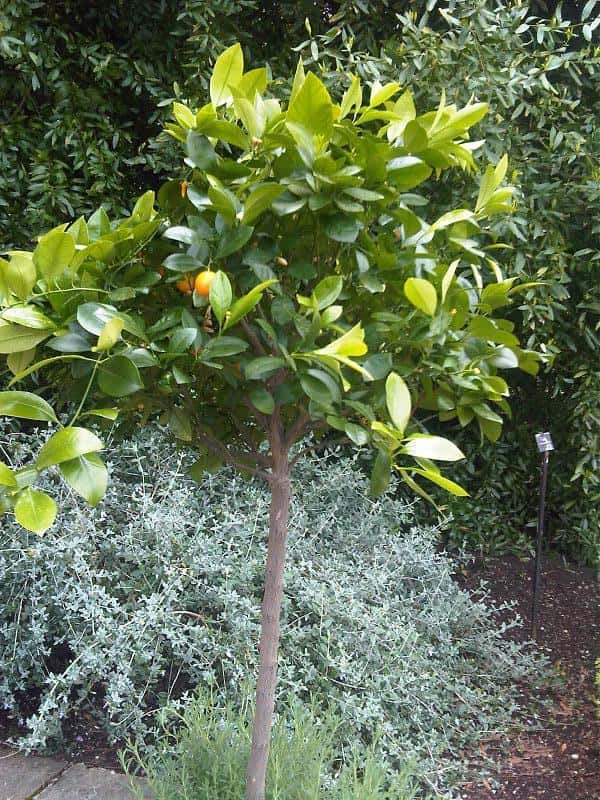
Rutaceae
Sweet Orange Tree (Citrus sinensis): Complete Growing Guide
Citrus sinensis
Sweet orange needs full sun (6-8 hours daily), regular watering every 5-10 days in summer with reduced frequency in winter, and well-draining fertile soil with pH 6.0-7.5. Fertilize every 30 days during the growing season with nitrogen-rich citrus fertilizer. Protect from frost below 7°C.
Every 7 days
Direct sun
7° - 35°C
40% - 60%
Categories
What is Sweet Orange?
Sweet Orange (Citrus sinensis) is a medium-care plant from the Rutaceae family. The sweet orange (Citrus sinensis) is an evergreen fruit tree originally from southern China and Southeast Asia, now cultivated worldwide in tropical and subtropical climates. It produces juicy, vitamin C-rich fruits and fragrant white blossoms. One of the most economically important fruit crops glo...
Sweet Orange grows up to 9.0m, spread of 600cm, watering every 7 days, 7°C – 35°C, 40–60% humidity. It is not suitable for indoor environments and not safe for pets.
Without precautions, ingestion can cause irritation in pets. Keep out of reach of cats and dogs.
How to Care for Sweet Orange?
TLDR: Sweet Orange needs Direct sun, watering every 7 days, and temperatures between 7-35°C with 40-60% humidity.
How Often Should You Water Sweet Orange?
Water every 5-7 days in summer and every 10-14 days in winter. Allow the top 2-3 inches of soil to dry between waterings. Avoid waterlogging — sweet orange is susceptible to root rot. Ensure excellent drainage in both containers and garden beds. Morning watering is preferred.
How Much Light Does Sweet Orange Need?
Sweet orange demands full sun — minimum 6-8 hours of direct sunlight per day. Choose the sunniest spot in your garden, away from shade-casting structures or trees. Insufficient light results in poor fruiting and weak growth. South or southwest-facing positions are ideal in the Northern Hemisphere.
What Is the Best Soil for Sweet Orange?
Use fertile, well-draining sandy loam or loamy soil with a pH of 6.0-7.5. Amend clay soils with coarse sand and organic compost to improve drainage. Avoid compacted or waterlogged soils. Raised beds or mounded planting sites work well in heavier soils. Test soil pH annually.
What Pot Should You Use for Sweet Orange?
Large terracotta or ceramic pot (minimum 60 cm diameter) for container growing. In garden, plant at 5-6 meter spacing in a permanent sunny location. Terracotta pots promote root breathability and prevent waterlogging.
Care Schedule
Fertilize
Every 30 days
What Is Sweet Orange and Where Does It Come From?
The sweet orange (Citrus sinensis) is an evergreen fruit tree originally from southern China and Southeast Asia, now cultivated worldwide in tropical and subtropical climates. It produces juicy, vitamin C-rich fruits and fragrant white blossoms. One of the most economically important fruit crops globally, it thrives in warm, sunny gardens and can also be grown in large containers.
How to Propagate Sweet Orange?
Grafting
Grafting ensures identical fruit to the parent tree and reduces fruiting time to 2-3 years. Always use sterilized tools. Perform in spring when sap is active.
- 1 Select a healthy rootstock seedling 1-2 years old with pencil-thick stem
- 2 Prepare a bud or scion from a quality sweet orange variety
- 3 Perform T-budding or cleft graft on the rootstock stem
- 4 Wrap with grafting tape and wait for the graft to take
- 5 Remove tape after 3-4 weeks and cut the rootstock above the union
Materials needed:
Seed
Seed-grown trees may take 7-15 years to fruit and fruits may differ from the parent. Grafting is preferred for reliable production.
- 1 Extract seeds from a ripe orange and wash thoroughly
- 2 Plant immediately in moist, well-draining medium at 1 cm depth
- 3 Keep warm (20-25°C) with indirect light
- 4 Germination occurs in 2-4 weeks
- 5 Transplant to final location after 1 year
Materials needed:
How Big Does Sweet Orange Grow?
TLDR: Sweet Orange can reach up to 9.0m tall with Medium growth rate.
Max height
9.0m
Spread
6.0m
Growth rate
Medium
Foliage
Evergreen
Warning: Toxic Plant
This plant can be toxic if ingested. Keep out of reach of:
Plant Uses
Edible
Can be consumed
Medicinal
Medicinal properties
Ornamental
Great for decoration
Aromatic
Pleasant fragrance
Medicinal Uses
- Rich source of vitamin C for immune support and collagen synthesis
- Orange peel essential oil used in aromatherapy for stress relief
- Orange blossom tea (agua de azahar) used as a mild sedative and anxiolytic
- Citrus flavonoids (hesperidin, naringenin) with anti-inflammatory and antioxidant properties
Culinary Uses
- Fresh fruit eaten raw or as juice, smoothies, and salads
- Zest used to flavor cakes, pastries, sauces, and desserts
- Orange blossom water to flavor pastries, beverages, and confections
- Juice in marinades, dressings, glazes, and cocktails
- Marmalades, jams, candied peel, and liqueurs (Grand Marnier, Cointreau)
Is your plant showing symptoms?
Click on the symptom to discover possible causes:
What Diseases Commonly Affect Sweet Orange?
TLDR: Sweet Orange is susceptible to 11 known diseases. Monitor regularly for early detection.
Canker
Canker is a disease caused by various fungi and bacteria that create necrotic, sunken areas on bark of branches, stems, and trunks. Pathogens enter through wounds and natural openings, especially when plants are stressed. Canker can gradually weaken or kill branches by disrupting water and nutrient flow.
Phytophthora Root Rot
Disease caused by fungus-like organisms (oomycetes) that live in soil and can survive for years. It affects roots, stem, and crown of plants, being especially severe in waterlogged or poorly drained soils. It is the second most common cause of root rot in trees and shrubs.
Phytophthora Blight
Devastating fungal disease caused by Phytophthora species (primarily P. capsici and P. infestans), famously responsible for the Irish Potato Famine in the 1840s. Affects all plant parts including roots, stems, leaves, and fruits in warm, wet conditions. The pathogen is technically an oomycete (water mold) that thrives in saturated soils and can survive in soil for 5+ years.
Leafminers
Leafminers are the larvae of various insects including flies, moths, sawflies, and beetles that tunnel between leaf surfaces, creating distinctive serpentine trails or blotchy patches. While primarily cosmetic, severe infestations can weaken plants by reducing photosynthesis capacity and making them susceptible to secondary infections.
Meaning & Symbolism
White orange blossoms symbolize purity and are traditional wedding flowers in many cultures. Golden orange fruits represent prosperity, abundance, and good fortune. In Chinese tradition, oranges symbolize luck and happiness, especially during the Lunar New Year.
Fun Facts
Brazil is the world's largest orange producer, accounting for roughly 30% of global production
Orange blossom (neroli) is one of the most prized essences in perfumery, used in fragrances for centuries
A single medium orange provides over 100% of the recommended daily intake of vitamin C
The sweet orange is actually a hybrid, believed to be a cross between pomelo (Citrus maxima) and mandarin (Citrus reticulata)
Frequently asked questions
How often should I water a sweet orange tree?
How much sun does a sweet orange tree need?
When does a sweet orange tree start fruiting?
Can I grow a sweet orange tree in a pot?
How do I prevent citrus canker and gummosis?
Compare with similar plants
| Attribute | Difficulty | Light | Watering | Pet Safe |
|---|---|---|---|---|
| Dark Fieldcap | Medium | Low light | 2d | ⚠️ |
| Azalea | Medium | Partial shade | 3d | ⚠️ |
| Bougainvillea | Medium | Direct sun | 7d | ⚠️ |
| Wild Lettuce | Medium | Direct sun | 7d | ⚠️ |



