Myrtaceae
Syzygium (Genus): Care Guide for Jambolan, Clove and Rose Apple
Syzygium
Plant in full sun to partial sun. Water every 6 days, keeping soil lightly moist without waterlogging. Fertilize monthly during active growth. Tolerates light pruning for shape maintenance.
Every 6 days
Bright indirect
10° - 35°C
50% - 80%
Categories
What is Syzygium (genus)?
Syzygium (genus) (Syzygium) is a easy-care plant from the Myrtaceae family. Syzygium is a large genus of tropical and subtropical evergreen trees and shrubs in the family Myrtaceae, comprising over 1,000 species native to Asia, Australia, and Africa. The genus includes economically and culturally significant species such as clove (S. aromaticum), jambolan (S. cumini), and r...
Syzygium (genus) grows up to 15.0m, spread of 800cm, watering every 6 days, 10°C – 35°C, 50–80% humidity. It is not suitable for indoor environments and safe for pets.
Unlike many tropical plants, Syzygium (genus) tolerates watering mistakes. Best for beginners. Unlike many popular species, Syzygium (genus) is safe to keep around pets.
How to Care for Syzygium (genus)?
TLDR: Syzygium (genus) needs Bright indirect, watering every 6 days, and temperatures between 10-35°C with 50-80% humidity.
How Often Should You Water Syzygium (genus)?
Water every 6 days on average. Check that the top few centimetres of soil are beginning to dry before watering. Avoid waterlogging, as excess moisture causes root rot.
How Much Light Does Syzygium (genus) Need?
Prefers full sun to partial sun, with at least 6 hours of direct light per day. In hot climates, tolerates full sun all day. Outdoor positioning is ideal.
What Is the Best Soil for Syzygium (genus)?
Use well-draining loamy soil rich in organic matter, with a pH between 5.5 and 7.0. Add perlite or coarse sand to improve drainage and prevent waterlogging.
What Pot Should You Use for Syzygium (genus)?
Large ceramic or terracotta pot with drainage holes. For container growing, use pots at least 50-80 cm in diameter for medium-sized species.
Care Schedule
Fertilize
Every 30 days
What Is Syzygium (genus) and Where Does It Come From?
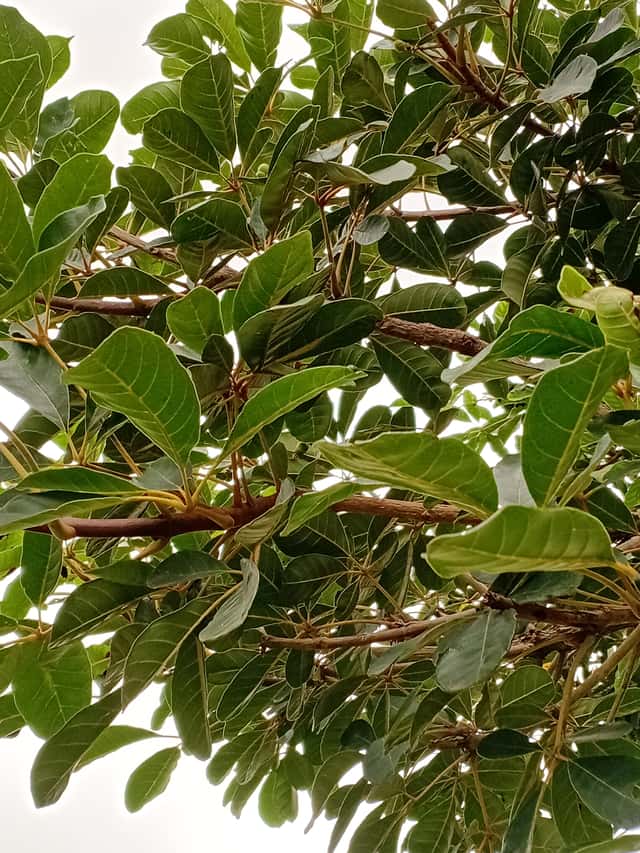
Syzygium is a large genus of tropical and subtropical evergreen trees and shrubs in the family Myrtaceae, comprising over 1,000 species native to Asia, Australia, and Africa. The genus includes economically and culturally significant species such as clove (S. aromaticum), jambolan (S. cumini), and rose apple (S. samarangense). These are hardy plants with dense, glossy foliage that produce edible fruits and aromatic flowers.
How to Propagate Syzygium (genus)?
Stem Cutting
Maintain high humidity around the cutting using a plastic bag or humidity dome. Avoid direct sun during rooting.
- 1 Cut a healthy semi-hardwood stem 15-20 cm long
- 2 Remove lower leaves, keeping 2-3 at the top
- 3 Apply rooting hormone to the cut base
- 4 Plant in moist perlite and peat substrate
- 5 Keep in a warm, humid spot with indirect light
Materials needed:
Seed Sowing
Syzygium seeds lose viability quickly. Use fresh seeds for best results.
- 1 Sow fresh seeds immediately after harvest
- 2 Plant 1-2 cm deep in moist substrate
- 3 Maintain temperature above 24°C
- 4 Water lightly to keep moisture constant
- 5 Transplant when seedlings reach 10-15 cm
Materials needed:
How Big Does Syzygium (genus) Grow?
TLDR: Syzygium (genus) can reach up to 15.0m tall with Medium growth rate.
Max height
15.0m
Spread
8.0m
Growth rate
Medium
Foliage
Evergreen
Plant Uses
Ornamental
Great for decoration
Edible
Can be consumed
Aromatic
Pleasant fragrance
Medicinal
Medicinal properties
Medicinal Uses
- Traditional use of leaves and bark as anti-inflammatory and anti-diabetic in Asian folk medicine
- Jambolan extract (S. cumini) is studied for blood sugar management
Culinary Uses
- Edible fruits fresh, as jams and juices (jambolan, rose apple)
- Clove (S. aromaticum) is a worldwide culinary spice
Is your plant showing symptoms?
Click on the symptom to discover possible causes:
What Diseases Commonly Affect Syzygium (genus)?
TLDR: Syzygium (genus) is susceptible to 5 known diseases. Monitor regularly for early detection.
Root Rot
Root rot is a serious fungal disease that affects the root system of plants, causing them to decay and die. It is primarily caused by overwatering, poor drainage, or soil-borne fungi such as Pythium, Phytophthora, Rhizoctonia, and Fusarium. The disease thrives in waterlogged conditions where roots are deprived of oxygen, making them susceptible to fungal infection.
Leaf Spot
Leaf spot is a common fungal disease caused by various pathogens including Alternaria, Ascochyta, Colletotrichum, Septoria, and Venturia. It primarily affects leaves, causing discolored spots that can lead to premature leaf drop if left untreated.
Scale Insects
Scale insects are small sap-sucking pests that appear as brown, shell-like bumps on plant stems and leaves. There are over 25 species, divided into armored (hard) and unarmored (soft) scales. They feed by piercing plant tissue and extracting sap, which weakens the plant and can lead to yellowing, stunted growth, and even death if left untreated. They also excrete honeydew, which attracts ants and promotes sooty mold growth.
Aphids
Aphids are small, soft-bodied, pear-shaped insects (1/16 to 1/8 inch long) that feed by sucking nutrient-rich sap from plants. They reproduce rapidly and can quickly weaken plants, causing distorted growth and transmitting plant viruses. Aphids come in various colors including green, black, red, yellow, brown, and gray. They secrete honeydew, a sticky substance that attracts ants and encourages sooty mold growth.
Meaning & Symbolism
Symbol of abundance and longevity in Asian and African cultures. Clove (S. aromaticum) has a historic role in the spice trade.
Fun Facts
Clove (Syzygium aromaticum) was one of the most valuable spices in the world, driving trade routes and colonial conquests in the 15th and 16th centuries
Jambolan (S. cumini) produces fruits that stain the tongue purple when eaten, a distinctive trait of the species
The Syzygium genus has over 1,000 described species, making it one of the largest genera in the Myrtaceae family
Syzygium samarangense, the rose apple, is called "water apple" in Asian countries for its refreshing flavour and high water content
Frequently asked questions
How often should I water Syzygium plants?
Does Syzygium need full sun?
Are Syzygium plants toxic to pets?
What are the main diseases affecting Syzygium?
Can I grow Syzygium in a pot?
Compare with similar plants
| Attribute | Difficulty | Light | Watering | Pet Safe |
|---|---|---|---|---|
| Field Maple | Easy | Bright indirect | 14d | ✓ |
| Silver Birch | Easy | Direct sun | 14d | ✓ |
| Cushion Bush | Easy | Direct sun | 14d | ✓ |
| Peruvian peppertree | Easy | Direct sun | 14d | ⚠️ |





