Saxifragaceae
Rose Astilbe: Pet-Safe Plant
Astilbe × rosea
Thrives in part shade to full shade with consistently moist, organically rich, well-draining soil. Dislikes drying out or waterlogging. Divide clumps every 3-4 years to maintain vigor.
Every 3 days
Partial shade
10° - 24°C
50% - 70%
Categories
What is Rose Astilbe?
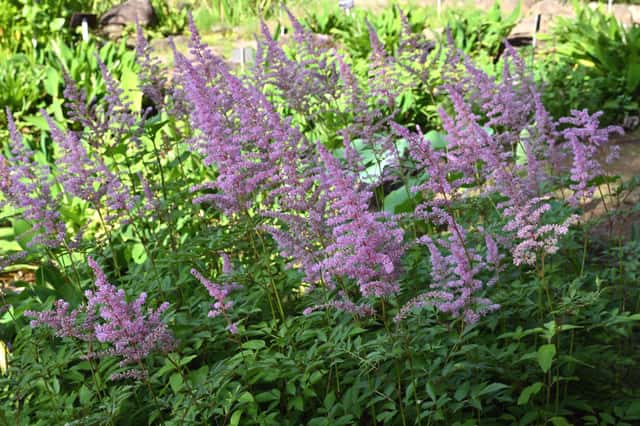
Rose Astilbe (Astilbe × rosea) is a medium-care plant from the Saxifragaceae family. Astilbe × rosea is a perennial hybrid in the Saxifragaceae family, prized for its feathery plumes of rose-pink flowers rising above finely cut, fern-like foliage. Native to shade gardens, it forms compact clumps and blooms from late spring through summer, adding color and texture to shaded borders a...
Rose Astilbe grows up to 90cm, spread of 45cm, watering every 3 days, 10°C – 24°C, 50–70% humidity. It is not suitable for indoor environments and safe for pets.
Unlike many popular species, Rose Astilbe is safe to keep around pets.
How to Care for Rose Astilbe?
TLDR: Rose Astilbe needs Partial shade, watering every 3 days, and temperatures between 10-24°C with 50-70% humidity.
How Often Should You Water Rose Astilbe?
Keep soil evenly moist, watering deeply 2-3 times a week during summer; leaf edges brown if the plant dries out.
How Much Light Does Rose Astilbe Need?
Grow in dappled or part shade; can tolerate more sun if soil stays consistently moist.
What Is the Best Soil for Rose Astilbe?
Use organically rich, well-drained soil with a slightly acidic to neutral pH (6.0-6.8).
What Pot Should You Use for Rose Astilbe?
If container-grown, choose a wide, deep pot with good drainage and keep the substrate consistently moist.
Care Schedule
Fertilize
Every 60 days
Repot
Every 1460 days
What Is Rose Astilbe and Where Does It Come From?
Astilbe × rosea is a perennial hybrid in the Saxifragaceae family, prized for its feathery plumes of rose-pink flowers rising above finely cut, fern-like foliage. Native to shade gardens, it forms compact clumps and blooms from late spring through summer, adding color and texture to shaded borders and pond edges.
How to Propagate Rose Astilbe?
Clump division
Divide every 3-4 years to renew plant vigor and prevent the clump center from becoming woody.
- 1 Dig up the clump in early spring or fall
- 2 Separate the crowns with a sharp knife or spade, ensuring each division has roots and buds
- 3 Replant immediately in moist, rich soil
- 4 Water thoroughly after planting
Materials needed:
How Big Does Rose Astilbe Grow?
TLDR: Rose Astilbe can reach up to 90cm tall with Medium growth rate.
Max height
90cm
Spread
45cm
Growth rate
Medium
Foliage
Deciduous
Plant Uses
Ornamental
Great for decoration
Is your plant showing symptoms?
Click on the symptom to discover possible causes:
What Diseases Commonly Affect Rose Astilbe?
TLDR: Rose Astilbe is susceptible to 5 known diseases. Monitor regularly for early detection.
Powdery Mildew
Powdery mildew is a common fungal disease caused by various fungi species including Erysiphe, Podosphaera, Oïdium, and Leveillula. It affects over 10,000 plant species worldwide. The disease thrives in warm, dry climates with high humidity and appears as a distinctive white powdery coating on plant surfaces.
Bacterial Leaf Spot
Bacterial leaf spot is a plant disease caused by bacteria in the Xanthomonas and Pseudomonas genera that affects various ornamental and edible plants. The bacteria infect leaves through wounds or natural openings, causing characteristic lesions that can lead to premature leaf drop and plant weakening.
Cercospora Leaf Spot
Cercospora leaf spot is a common fungal disease caused by Cercospora species that affects many plant types, particularly beets, roses, and leafy vegetables. The disease thrives in warm, humid conditions and can cause significant defoliation, reducing plant vigor and yield. It spreads rapidly through water splash, wind, and contaminated tools.
Whiteflies
Whiteflies are small, soft-bodied, winged insects closely related to aphids and mealybugs. They are moth-like in appearance, about 1/16 inch long, triangular in shape, and gray-white in color. These sap-sucking pests feed on plant tissue, causing yellowing, stunted growth, and wilting. They also excrete honeydew, which attracts ants and promotes sooty mold growth. Whiteflies can transmit serious plant viruses.
Meaning & Symbolism
Represents patience, gratitude, and feminine grace; its soft plumes symbolize dedication and unconditional love.
Compare with similar plants
| Attribute | Difficulty | Light | Watering | Pet Safe |
|---|---|---|---|---|
| Dark Fieldcap | Medium | Low light | 2d | ⚠️ |
| Azalea | Medium | Partial shade | 3d | ⚠️ |
| Bougainvillea | Medium | Direct sun | 7d | ⚠️ |
| Wild Lettuce | Medium | Direct sun | 7d | ⚠️ |



